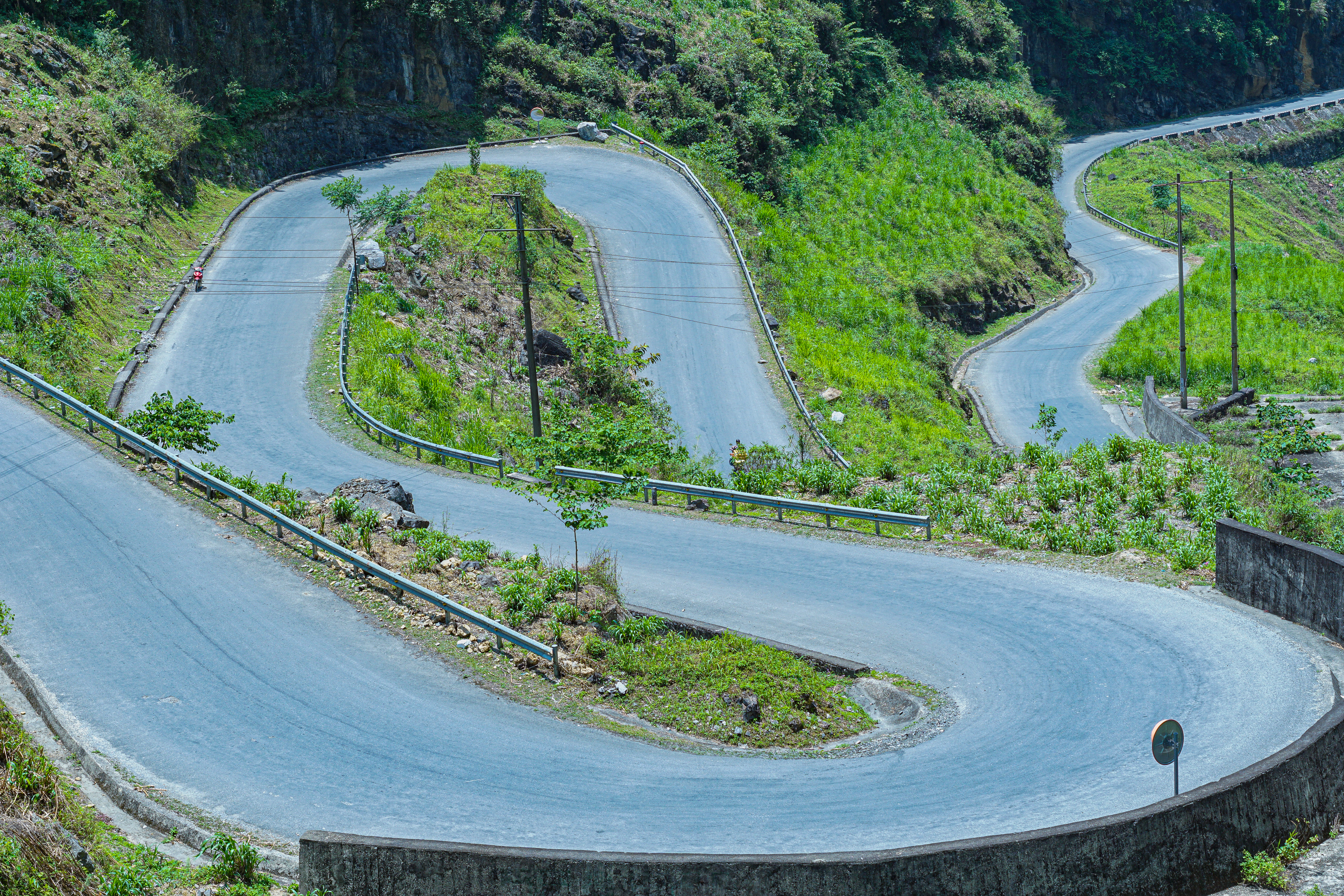
Things to Know Before Exploring the Ha Giang Loop

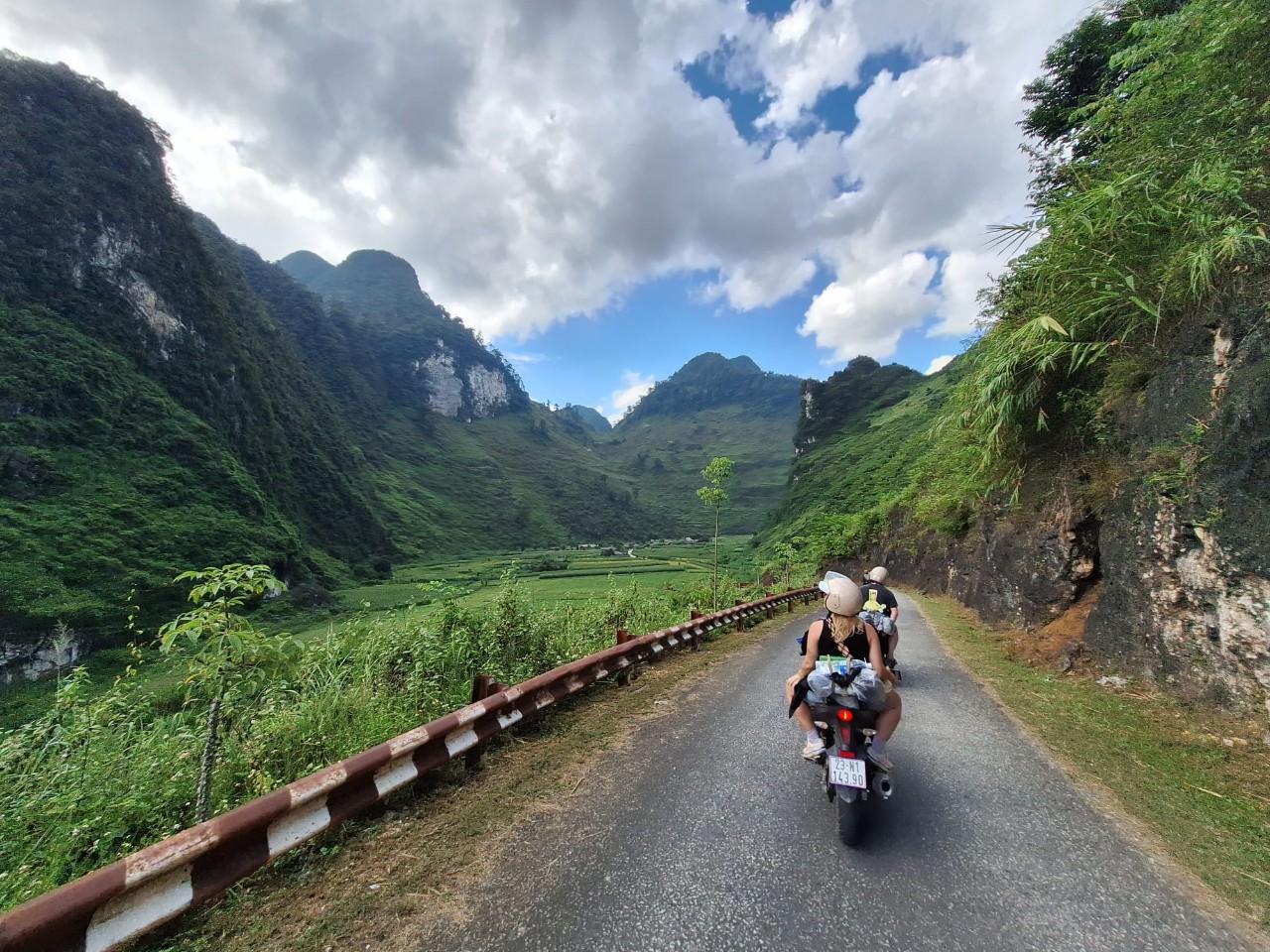
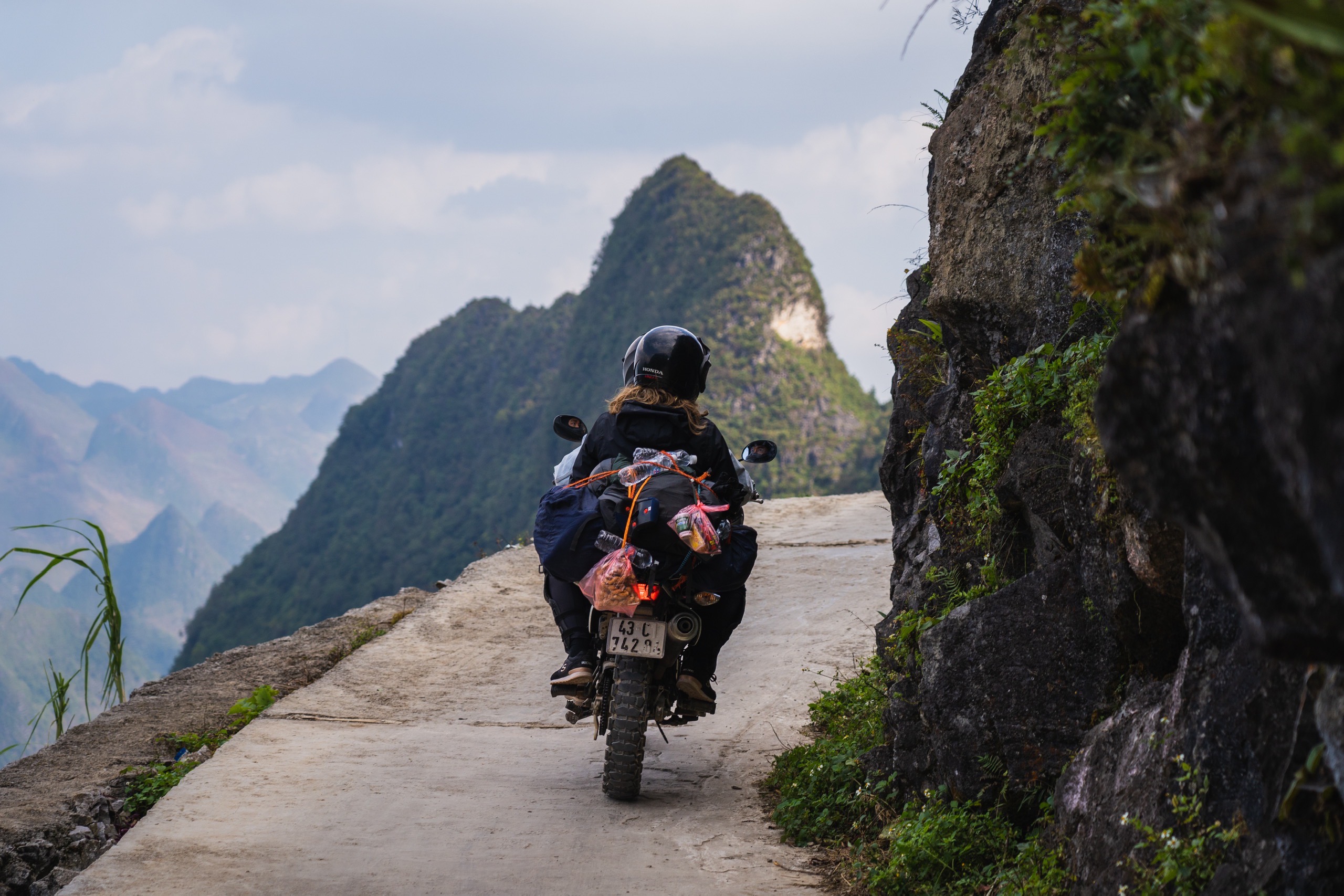
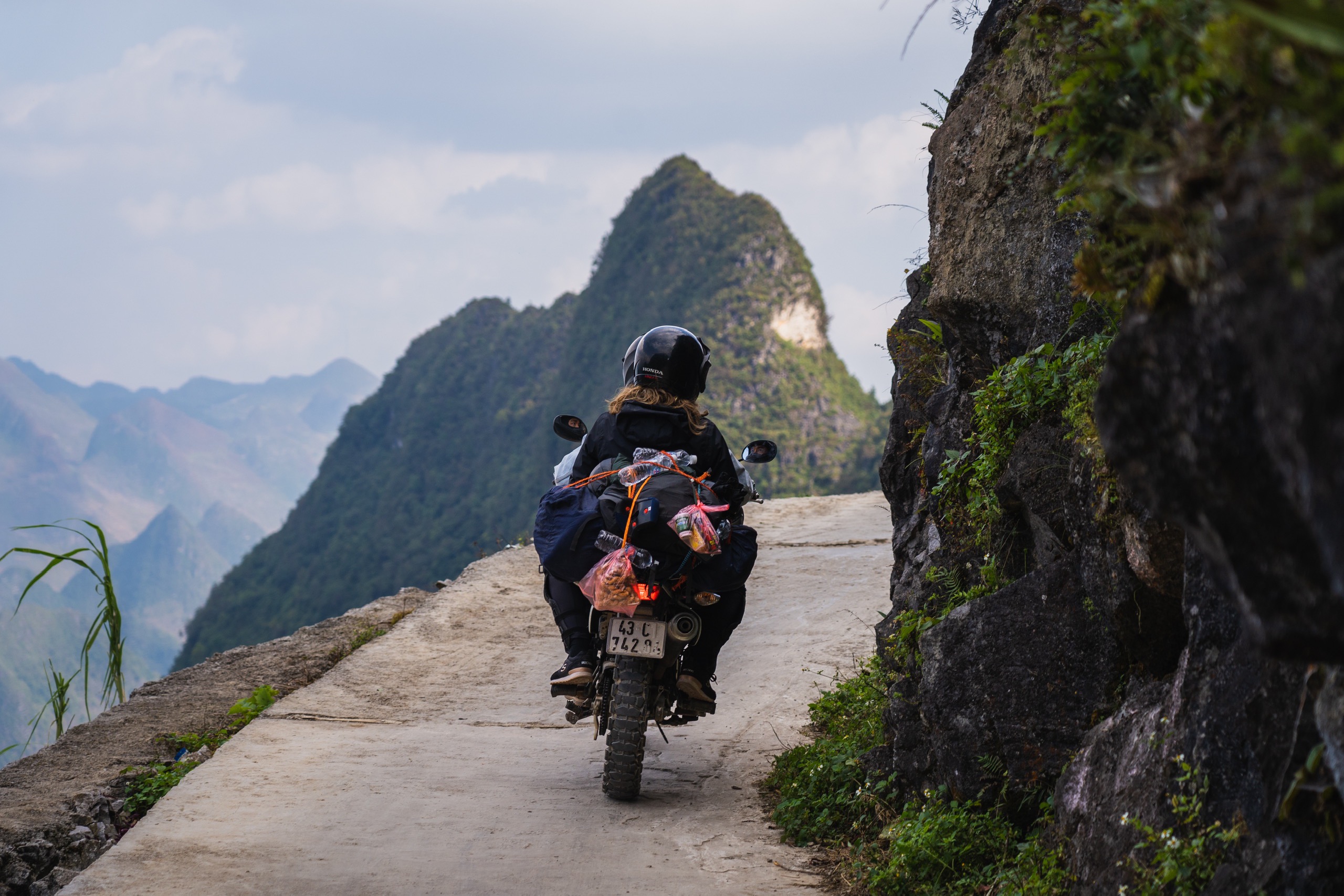
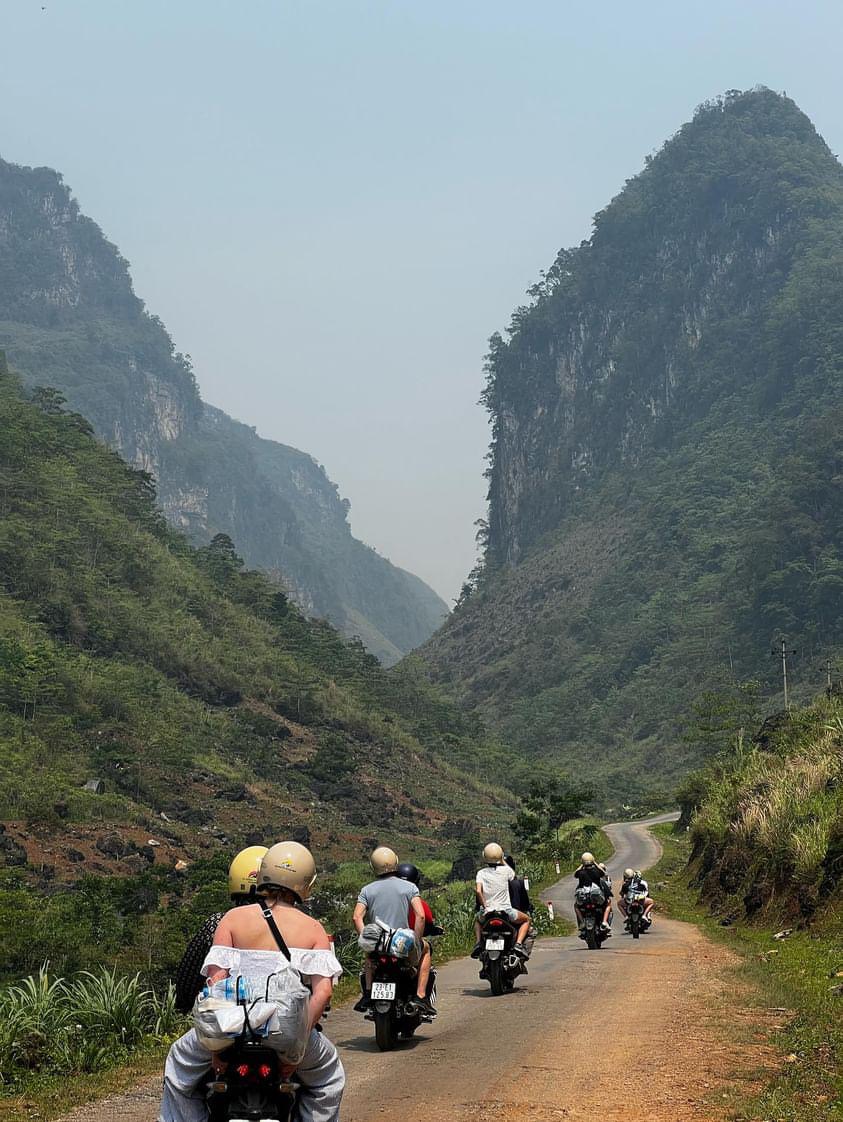
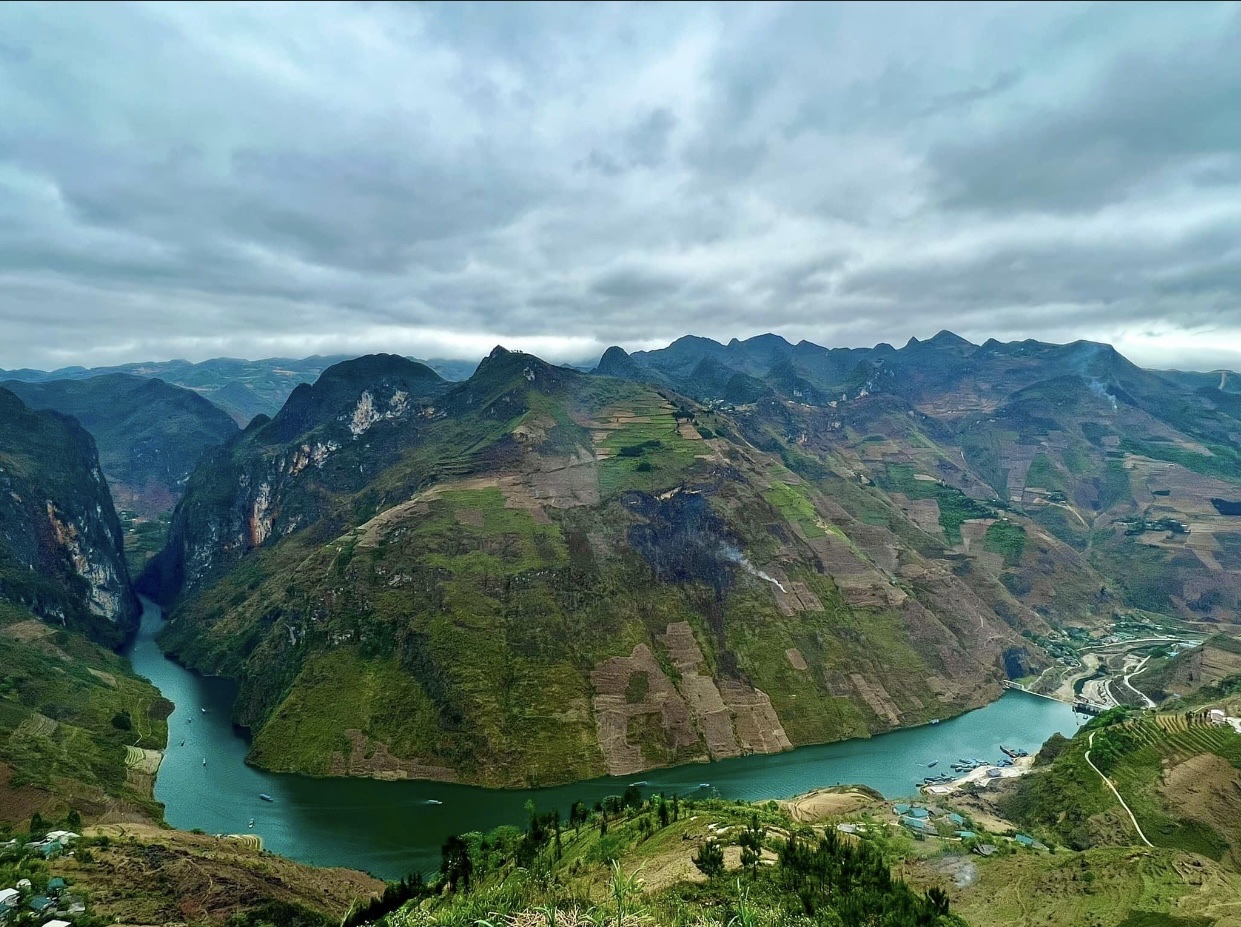
The Ha Giang Loop is one of the most memorable road trips in northern Vietnam. It takes you through mountain passes, small villages, river valleys, limestone landscapes, and remote roads close to the Chinese border.

But before you start the loop, it is important to understand a few practical things. Ha Giang is beautiful, but it is also mountainous, rural, and very different from traveling between big cities in Vietnam. The route involves long riding days, changing weather, local homestays, and limited space on the motorbike.

This guide explains what you should know before your Ha Giang Loop tour: how much luggage to bring, what to pack, how transport from Hanoi works, whether you can ride yourself, how many days to plan, how to pay, and what to expect from food and accommodation.

How Much Luggage Can You Bring on the Bike?

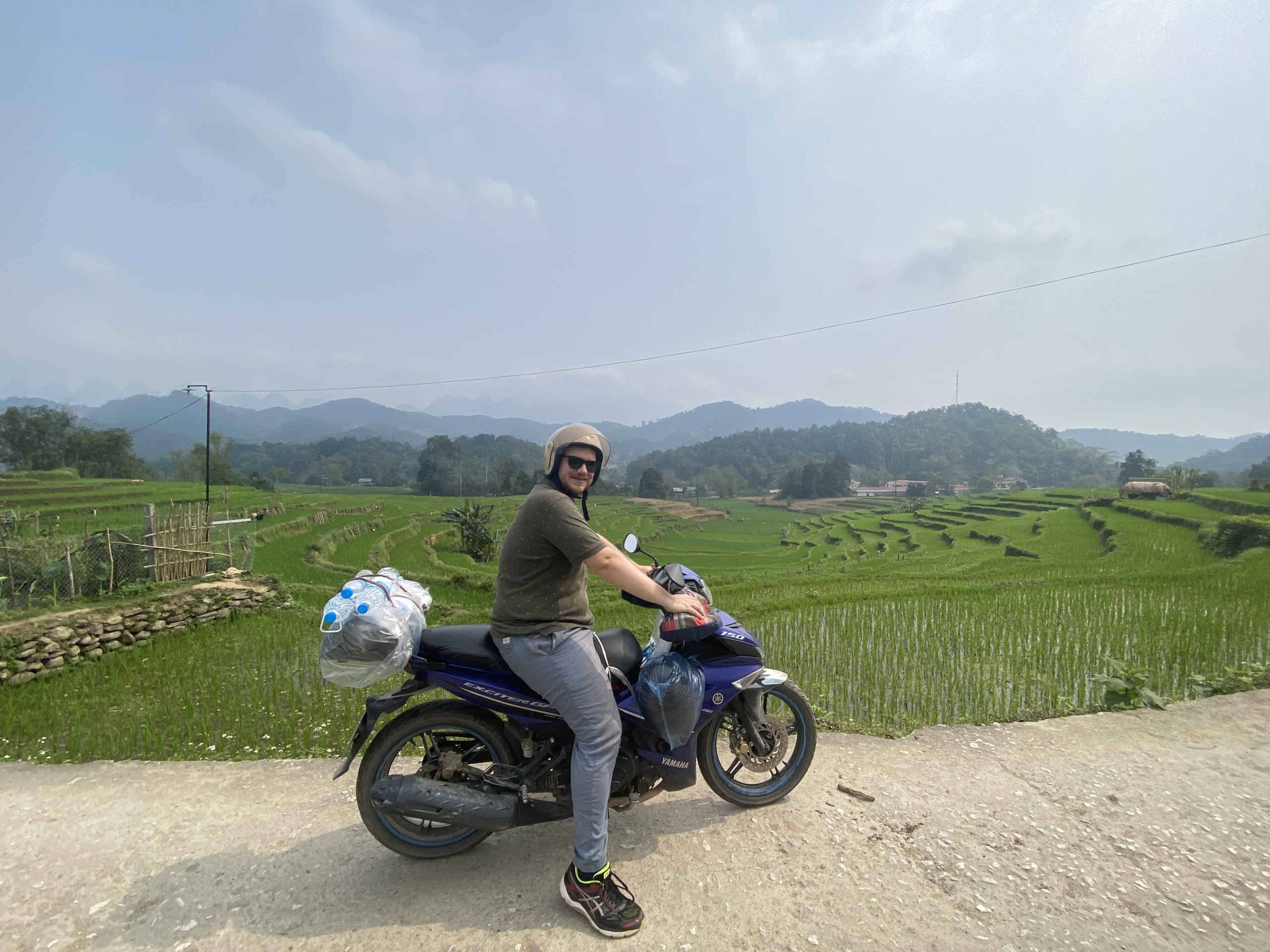
For the Ha Giang Loop, you should only bring a small backpack with the things you need for the riding days.

A small backpack is usually enough for a 2-day, 3-day, or 4-day loop. You do not need to bring your full suitcase or large travel backpack on the motorbike. Space is limited, and carrying too much luggage makes the ride less comfortable.

If you have big luggage, extra clothes, or anything you do not need during the tour, you can leave it at the Ha Giang office or hostel during the trip. This makes the loop easier and safer, especially on mountain roads.

A good rule is simple: bring only what you will actually use during the tour.

What Should You Bring on the Ha Giang Loop?

The weather in Ha Giang can change quickly. You may have sun, wind, fog, rain, and cool mountain air on the same trip. Because of this, packing light but smart is important.

Bring these essentials:

  • Comfortable clothes for riding
  • A light sweater or jacket
  • Rain protection if available
  • Sunscreen
  • Mosquito spray
  • Swimsuit
  • Passport or ID
  • Closed shoes
  • Basic personal medication
  • A small amount of cash
  • Phone charger or power bank

Closed shoes are strongly recommended because the roads can be dusty, wet, or uneven. A light sweater is also useful because the mountains can feel cool, especially in the morning or evening.

You do not need to pack too much. Most travelers only need a small backpack for the loop.

How Does the Bus from Hanoi to Ha Giang Work?

Many travelers start their Ha Giang trip from Hanoi. The common option is to take a night bus or VIP cabin bus from Hanoi to Ha Giang.

A VIP cabin bus usually gives you a private sleeping space, which is more comfortable than a regular sleeper bus. This is useful because the journey is long, and most travelers want to rest before starting the loop.

If you book transport support through the team, they can help explain the pickup point, departure time and arrival details before you travel.

VIP Bus to Ha Giang from Hanoi or Sapa
VIP Cabin Bus to Ha Giang from Hanoi

Where Is the Pickup Point in Hanoi?

The Hanoi pickup point is usually around the Old Quarter area.

The current pickup point used by Ha Giang Road Trip is:

06 Hang Muoi, Hoan Kiem, Hanoi Old Quarter

The pickup time listed in the existing information is around:

7:30 PM

Before traveling, confirm your exact pickup details with the team. Bus schedules and pickup arrangements can change depending on the operator, date, and availability.

How Does the Return Bus from Ha Giang to Hanoi Work?

After the loop finishes, travelers usually return from Ha Giang to Hanoi by limousine van or bus.

The current information states that the return transfer can use a limousine van with 9–16 seats. Pickup is from the hostel or Ha Giang base after the tour finishes.

The listed departure time from Ha Giang is around:

4:00 PM

The arrival time in Hanoi Old Quarter is usually around:

10:30 PM – 11:00 PM

This timing can depend on traffic, weather, and road conditions, so you should not plan a tight flight, train, or airport transfer immediately after arriving in Hanoi.

Can You Ride the Motorbike Yourself?

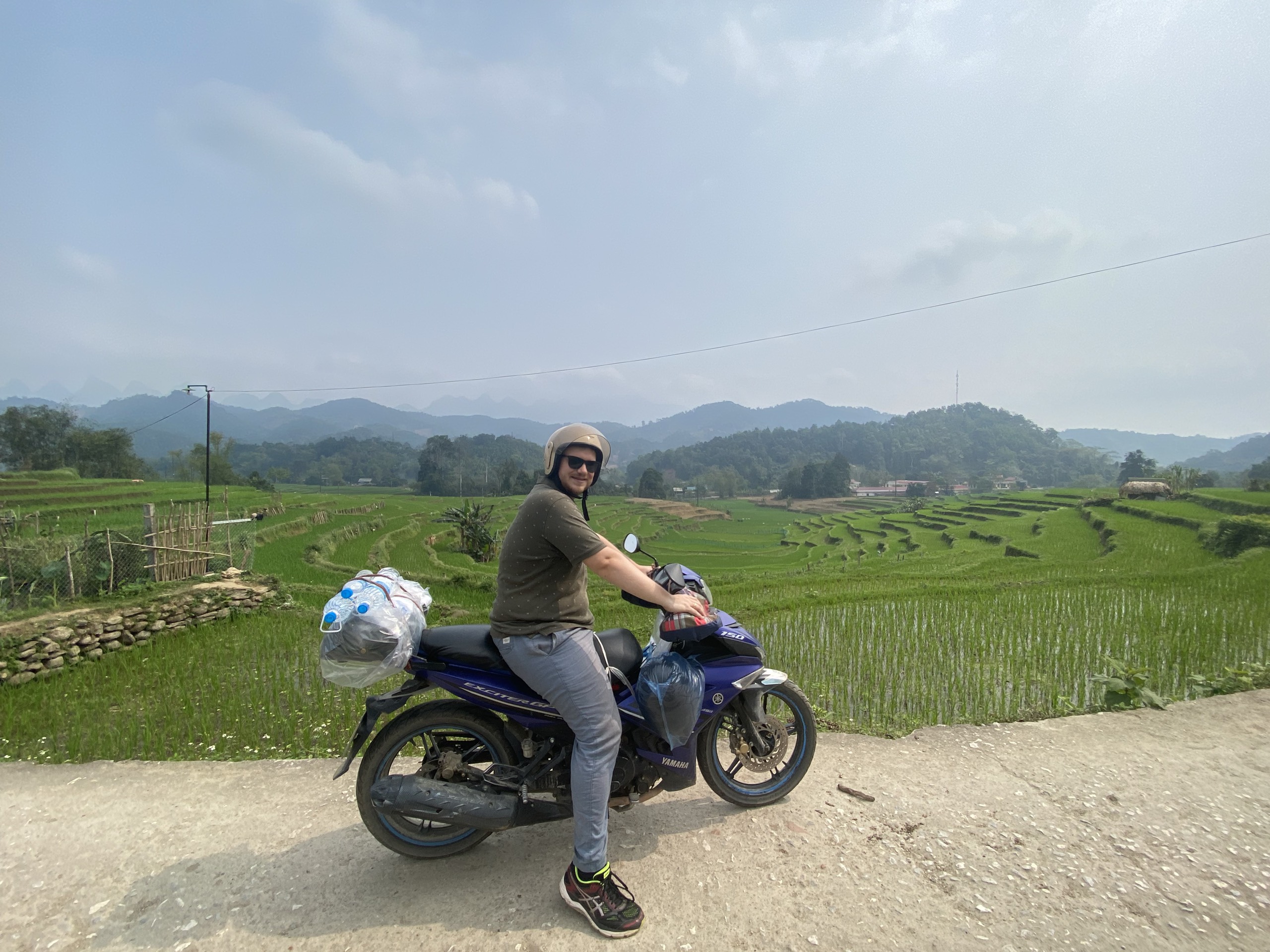
Some travelers want to self-drive the Ha Giang Loop. This can be an exciting experience, but it is not the right choice for everyone.

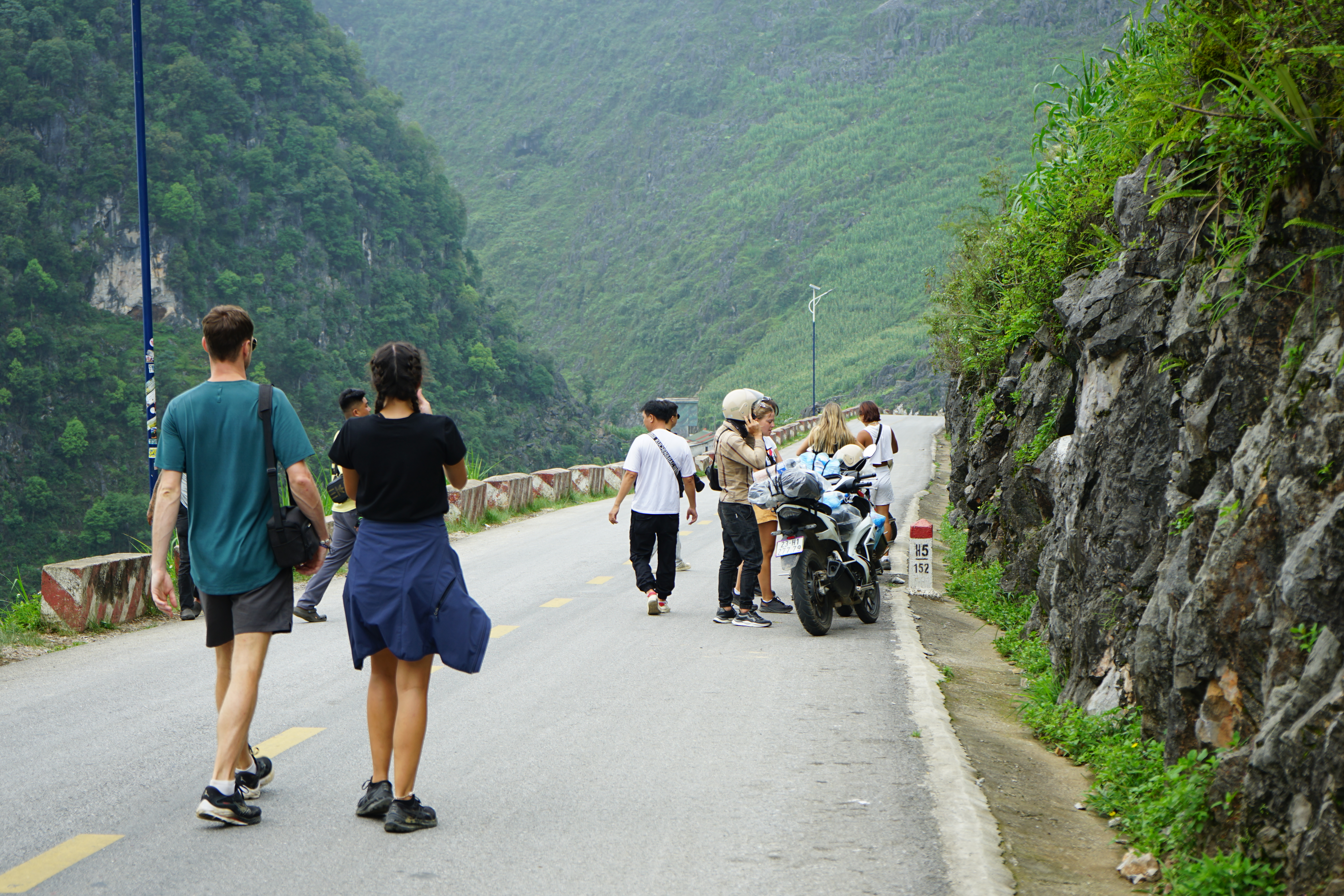
Ha Giang roads are beautiful, but they are also mountainous, winding, and sometimes challenging. You should only self-drive if you are legally allowed to ride and already feel confident on mountain roads.

For self-driving, you should have the correct motorbike license or international driving permit accepted for riding motorbikes in Vietnam. If you do not have the right license or enough experience, the safer option is to choose an easy rider.

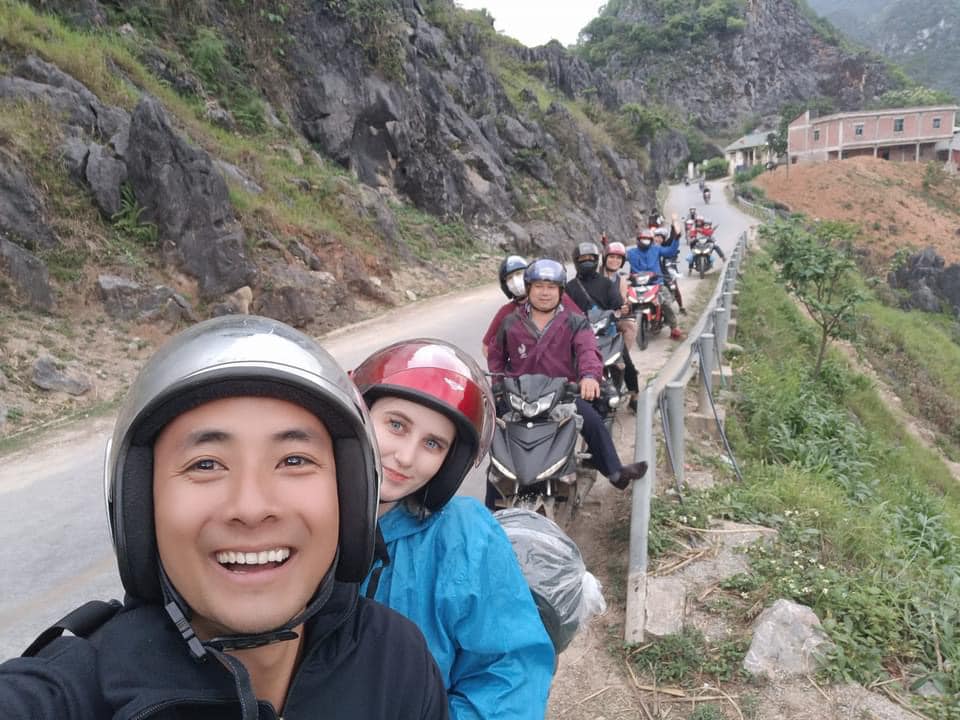
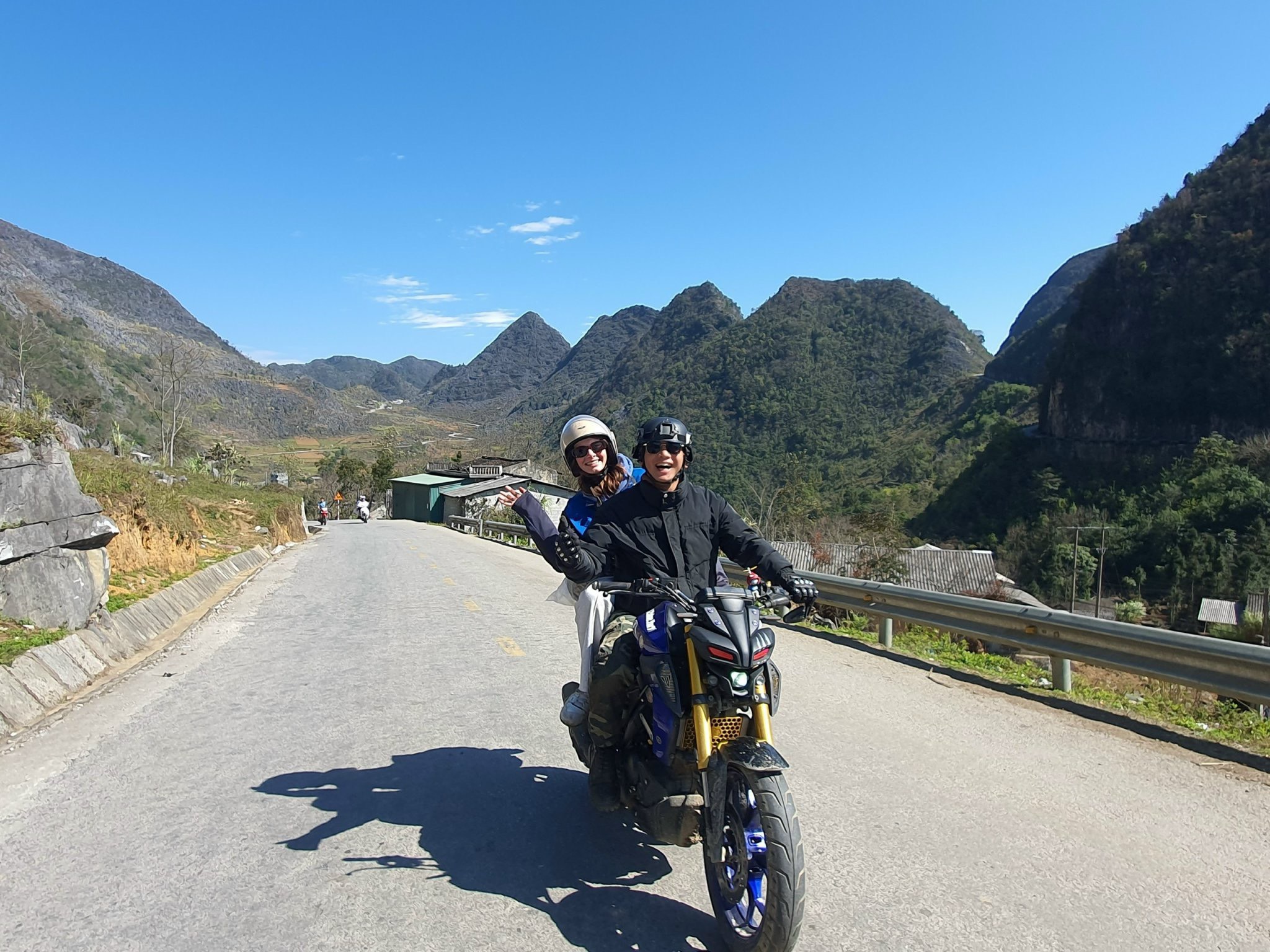
An easy rider means you sit behind a local driver. This lets you enjoy the scenery without having to handle the road yourself.

Choose self-drive only if you are qualified and confident. Choose an easy rider if you want a safer and more relaxed experience.

How Many Days Should You Plan for the Ha Giang Loop?

The best number of days depends on your travel style.

A 2-day Ha Giang Loop is possible, but it is short and more rushed. It is better for travelers who have very limited time.

A 3-day Ha Giang Loop is one of the most popular options. It gives enough time to see the main highlights without making the route too long.

A 4-day Ha Giang Loop is often the best choice if you want a slower pace, more viewpoints, more local stops, and less pressure each day.

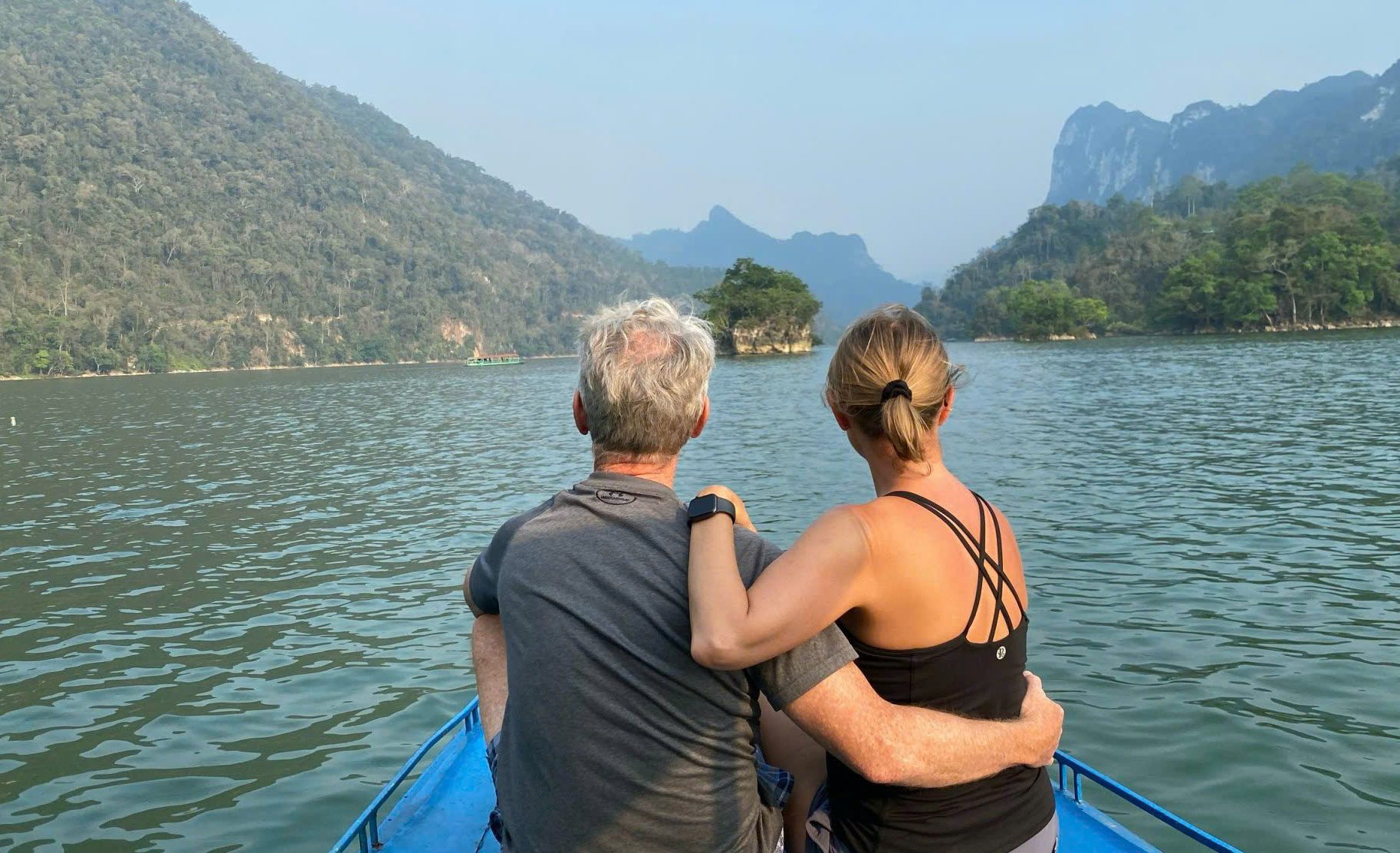
If you want to go beyond the classic loop, you can also choose a longer Big Loop route toward Cao Bang, Ban Gioc Waterfall, or Ba Be Lake.

As a simple guide:

  • Choose 2 days if you have very limited time.
  • Choose 3 days for a balanced classic loop.
  • Choose 4 days for a better pace and more profound experience.
  • Choose 5–7 days if you want a longer northern Vietnam route.

For most travelers, 3 or 4 days is the best choice.

quan ba heaven gate ha giang road trip
Quan Ba Heaven Gate

How Do You Pay for the Tour?

Payment options can include cash and card, depending on the booking arrangement.

The existing information says payment may be accepted in:

  • Vietnamese Dong
  • US dollars
  • Euros
  • Visa or MasterCard

Card payments may include a bank fee. The current information mentions a 3% bank charge for card transactions.

Before booking, confirm the final price, what is included, and the best payment method with the team.

What Is the Food Like on the Ha Giang Loop?

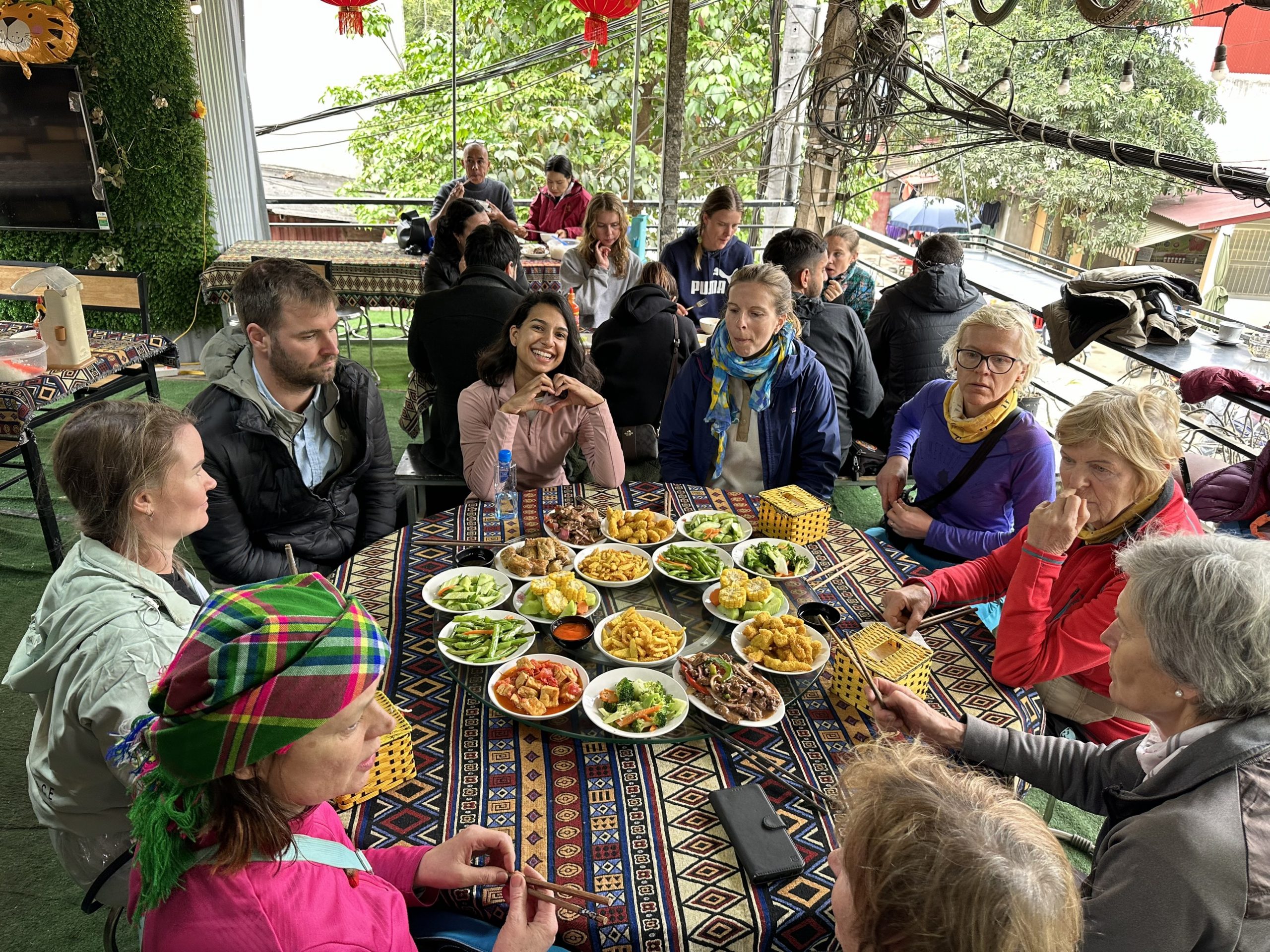
Food on the Ha Giang Loop is usually local, simple, and filling. You should not expect the same food choices you find in Hanoi, Da Nang, or Ho Chi Minh City.

In mountain and countryside areas, Western food can be limited. Most meals are based on local Vietnamese dishes, rice, vegetables, meat, eggs, noodles, or home-cooked food at homestays.

Vegetarian food is usually possible, but you should tell the team in advance. In some remote places, vegetarian options may require a little explanation because local kitchens may not always understand strict dietary requirements.

If you are worried about food safety, allergies, or limited options, bring some snacks from town before starting the loop.

Useful snacks include:

  • Nuts
  • Protein bars
  • Fruit
  • Crackers
  • Electrolytes
  • Basic packaged food

You do not need to bring all your food, but having a few backup snacks is smart.

What Is the Accommodation Like?

Accommodation on the Ha Giang Loop is usually simple, clean, and local. Depending on the route, you may stay in homestays, guesthouses, or small local hotels.

In remote areas, homestays are often the most common option. This can be different from a normal hotel, but it is also one of the best parts of the experience. Staying in a local homestay gives you a closer look at daily life in northern Vietnam.

Some places may have private rooms, while others may use shared sleeping areas. Facilities are usually basic but comfortable. Many homestays have showers, toilets, and Wi-Fi, although standards can vary from place to place.

You should expect a local mountain travel experience, not a luxury hotel trip.

Should You Stay in Ha Giang Before or After the Loop?

Staying in Ha Giang before the loop can make the trip easier. It gives you time to rest after the bus, leave your big luggage, meet the team, and confirm your route.

Staying after the loop is also useful if you would rather not rush directly back to Hanoi. You can rest, arrange your next bus, and recover after several riding days.

Ha Giang Road Trip also has a hostel base in Ha Giang City, which can be useful before or after the loop.

Final Tips Before Starting the Ha Giang Loop

Before you start the loop, keep these things in mind:

  • Pack light.
  • Bring a small backpack only.
  • Leave big luggage in Ha Giang.
  • Confirm your bus pickup details before traveling.
  • Do not self-drive unless you are qualified and confident.
  • Choose an easy rider if you want a safer and more relaxed trip.
  • Bring warm clothes because the mountains can be cool.
  • Bring cash for personal expenses.
  • Tell the team in advance if you are vegetarian or have dietary needs.
  • Do not expect luxury accommodation in remote mountain areas.
  • Choose 3 or 4 days if you want a better loop experience.

The Ha Giang Loop is not just about reaching viewpoints. It is about the road, the villages, the mountains, the people, and the feeling of traveling through one of the most dramatic regions in Vietnam.

With the right preparation, the trip becomes much easier and more enjoyable.

Plan Your Ha Giang Loop with Local Support

If you are not sure which route to choose, send your travel date, number of people, and preferred travel style.

You can ask about:

  • Small group Ha Giang Loop tours
  • Private motorbike tours
  • Easy rider options
  • Self-drive requirements
  • SUV tours
  • Big Loop routes
  • Hostel stays before or after the loop
  • Bus support from Hanoi, Sapa, Ninh Binh, or Cat Ba

The team can help you choose the option that fits your time, comfort level, and travel plans.

Why Visit the Ha Giang Loop? 6 Reasons to Add It to Your Vietnam Trip

The Ha Giang Loop is one of the most unforgettable road trips in Vietnam. Located in the far north of the country, Ha Giang is known for dramatic mountain passes, limestone peaks, winding roads, deep valleys, local villages, and landscapes that feel very different from Vietnam’s big cities and coastal destinations.

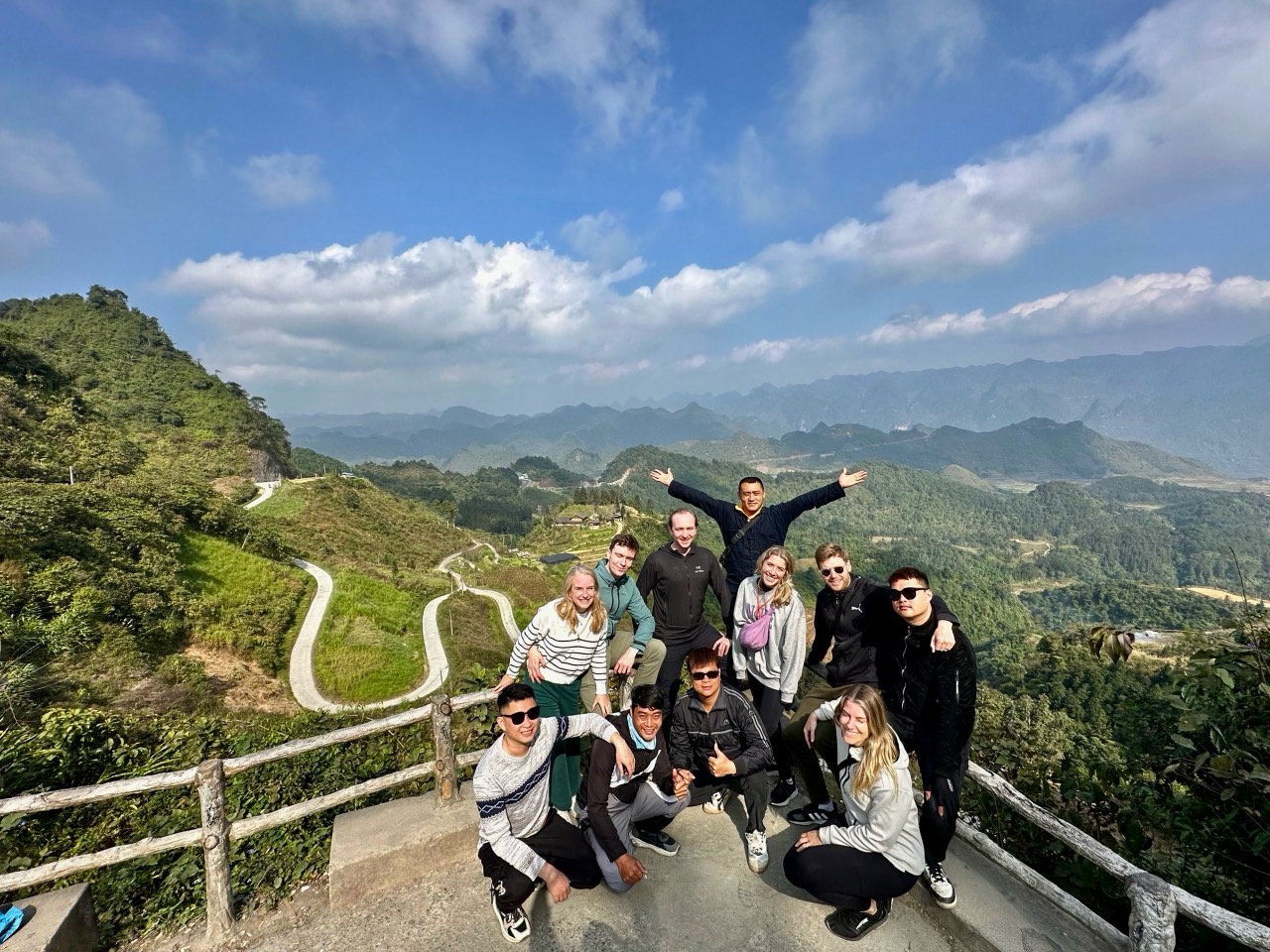
For many travelers, the loop becomes the highlight of their Vietnam trip. It is not only about riding a motorbike or taking photos at viewpoints. It is about moving slowly through mountain roads, meeting local communities, staying in small towns or homestays, and seeing a side of Vietnam that still feels raw, remote, and powerful.

If you are deciding whether the Ha Giang Loop is worth adding to your itinerary, this guide explains six strong reasons to visit.

1. The Mountain Scenery Is Some of the Best in Vietnam

The biggest reason to visit the Ha Giang Loop is the scenery.

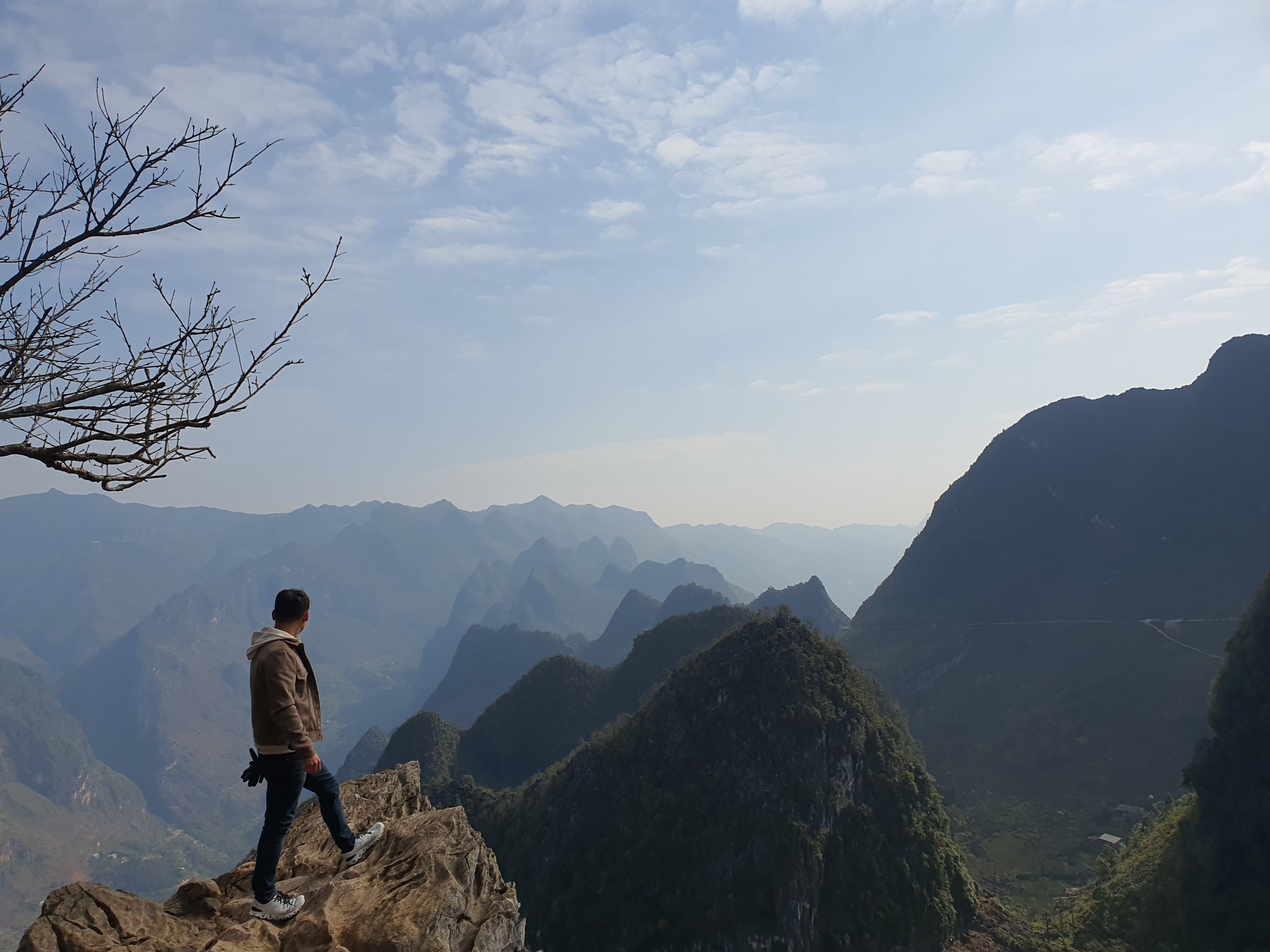
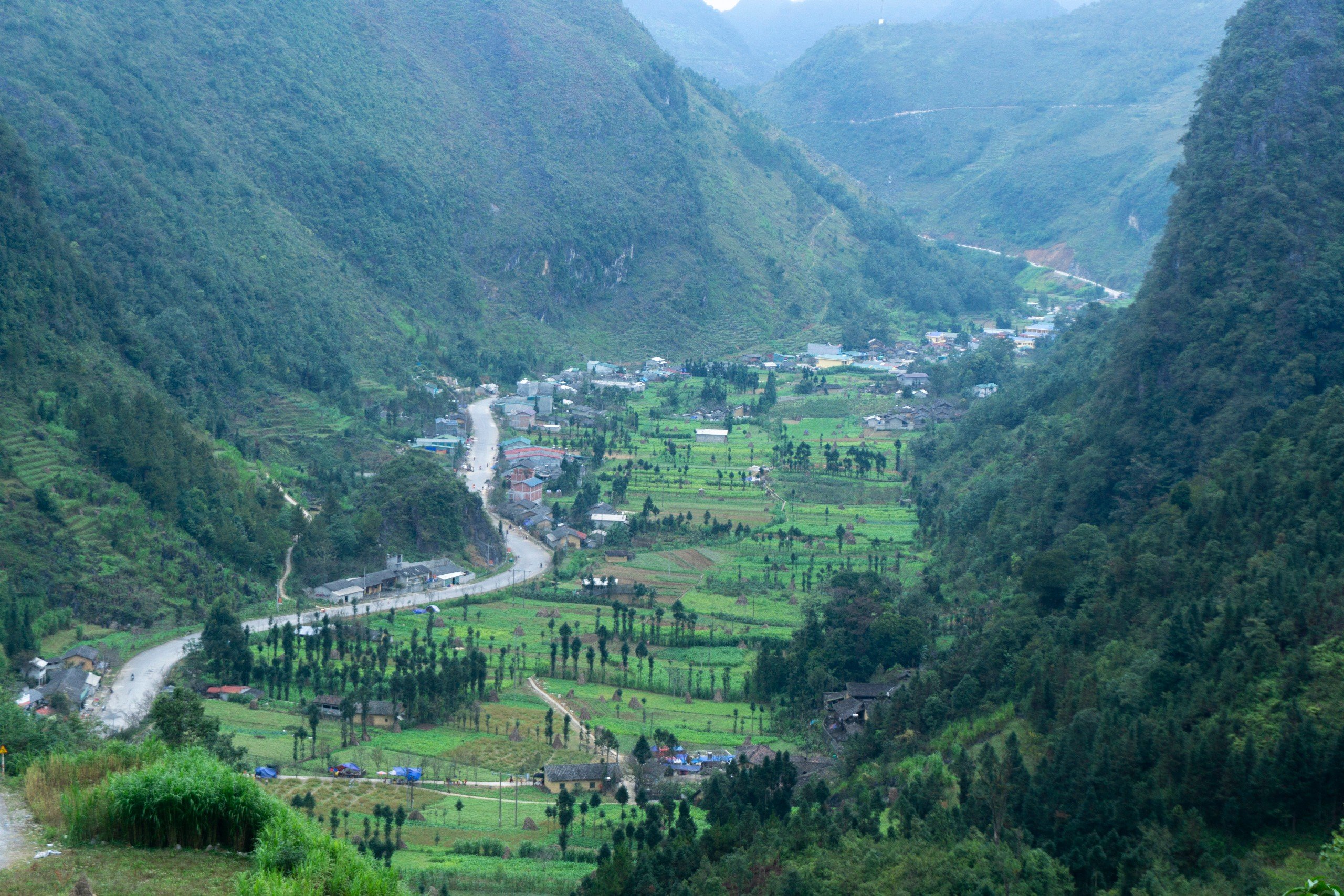
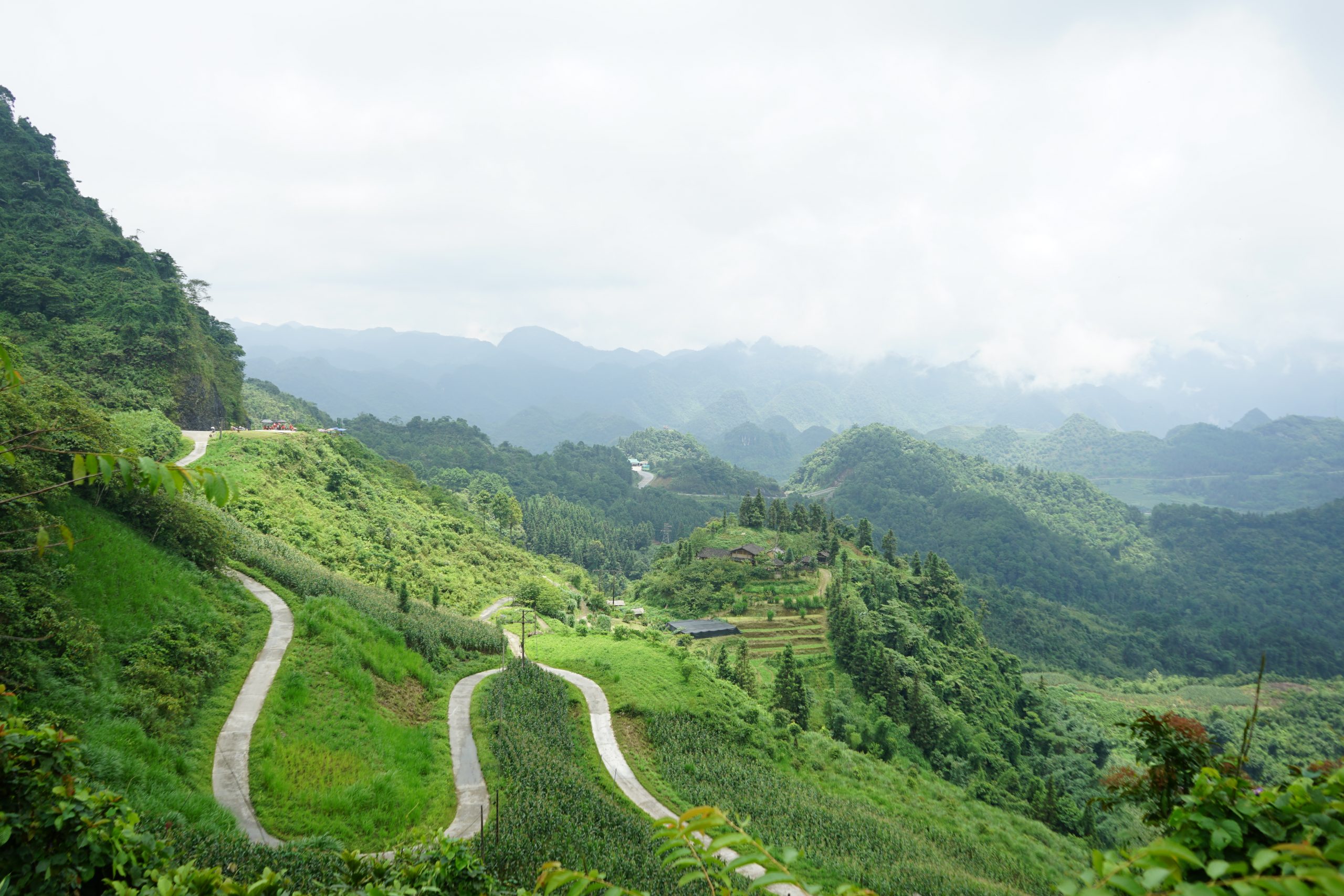
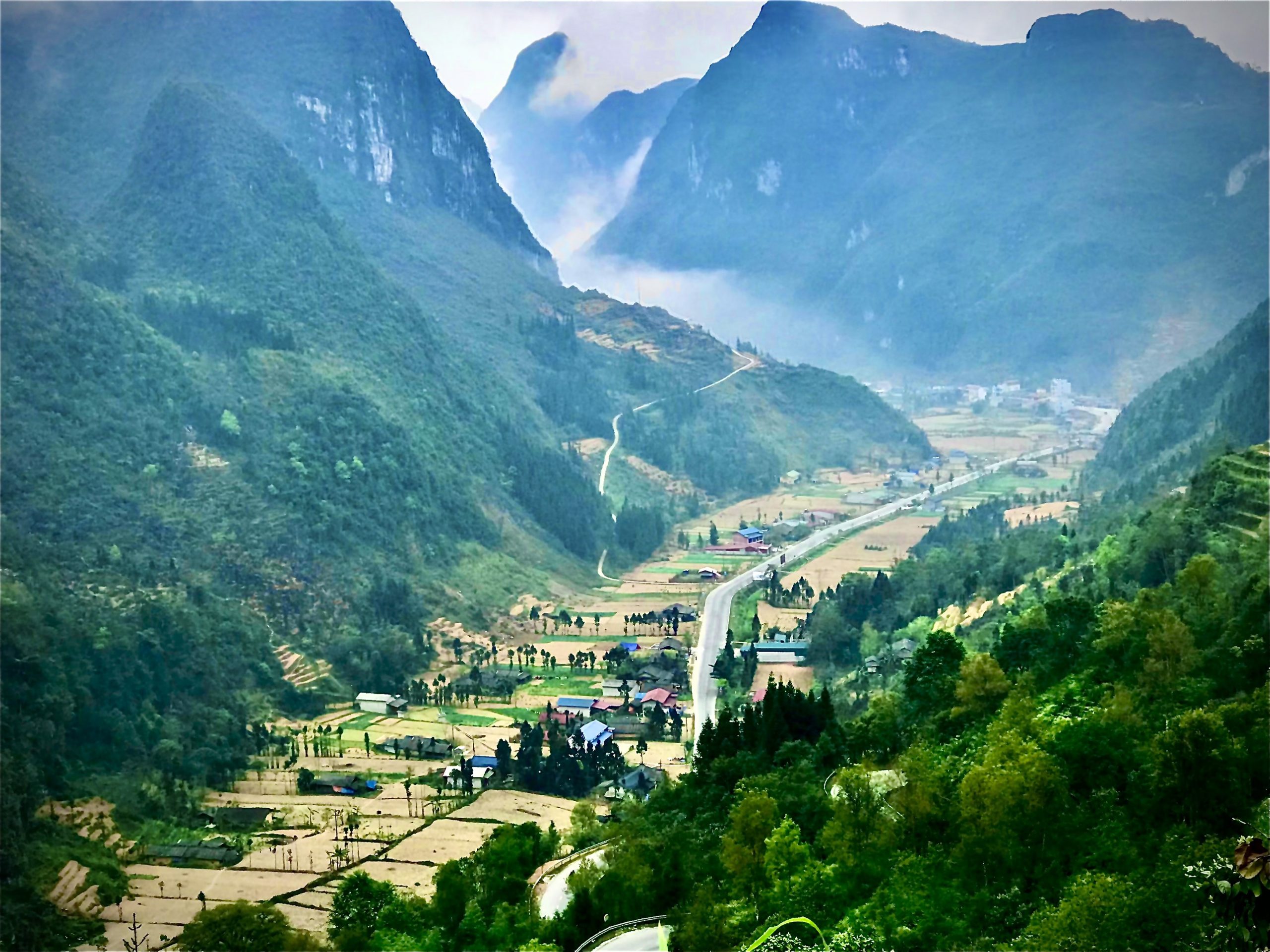
Ha Giang is famous for high mountain roads, steep valleys, limestone cliffs, rice terraces, river views, and dramatic passes. The landscape changes constantly as you move through the loop. One moment you may be riding through a narrow valley, and the next you may be looking down from a mountain road with cliffs and villages below.

Some of the most memorable parts of the loop are not only the famous viewpoints. They are also the small moments between stops: the road curving around a mountain, clouds moving through the valley, local houses on the hillside, or children walking home from school.

This is what makes Ha Giang different from many other destinations. The journey itself is the attraction.

2. The Ha Giang Loop Feels Like a Real Road Adventure

The Ha Giang Loop is not a standard sightseeing tour where you sit in one place and visit a few stops.

It is a road adventure.

You travel through changing terrain, mountain villages, local markets, rivers, passes and remote areas. Each day brings a different section of the route, and the experience builds naturally as you move deeper into the mountains.

For travelers who choose a motorbike tour, the feeling of the road is a major part of the experience. You feel the curves, the air, the altitude and the rhythm of the mountains. For travelers who prefer not to ride themselves, an easy rider or SUV tour can still give the same sense of movement and discovery without the stress of driving.

The Ha Giang Loop is exciting because it feels active, not passive. You are not just looking at northern Vietnam from a distance. You are moving through it.

3. You Can Experience Local Culture Along the Route

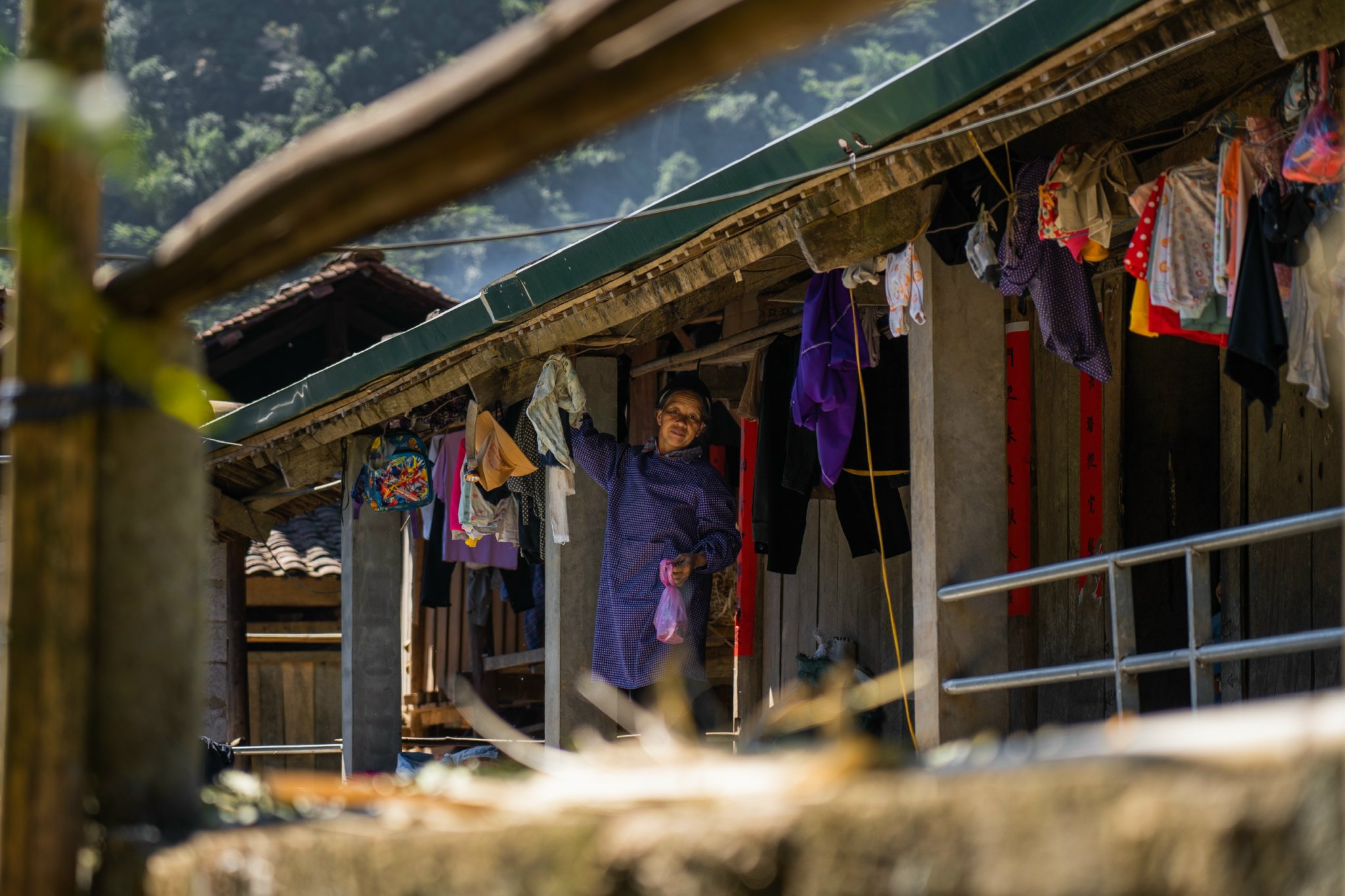
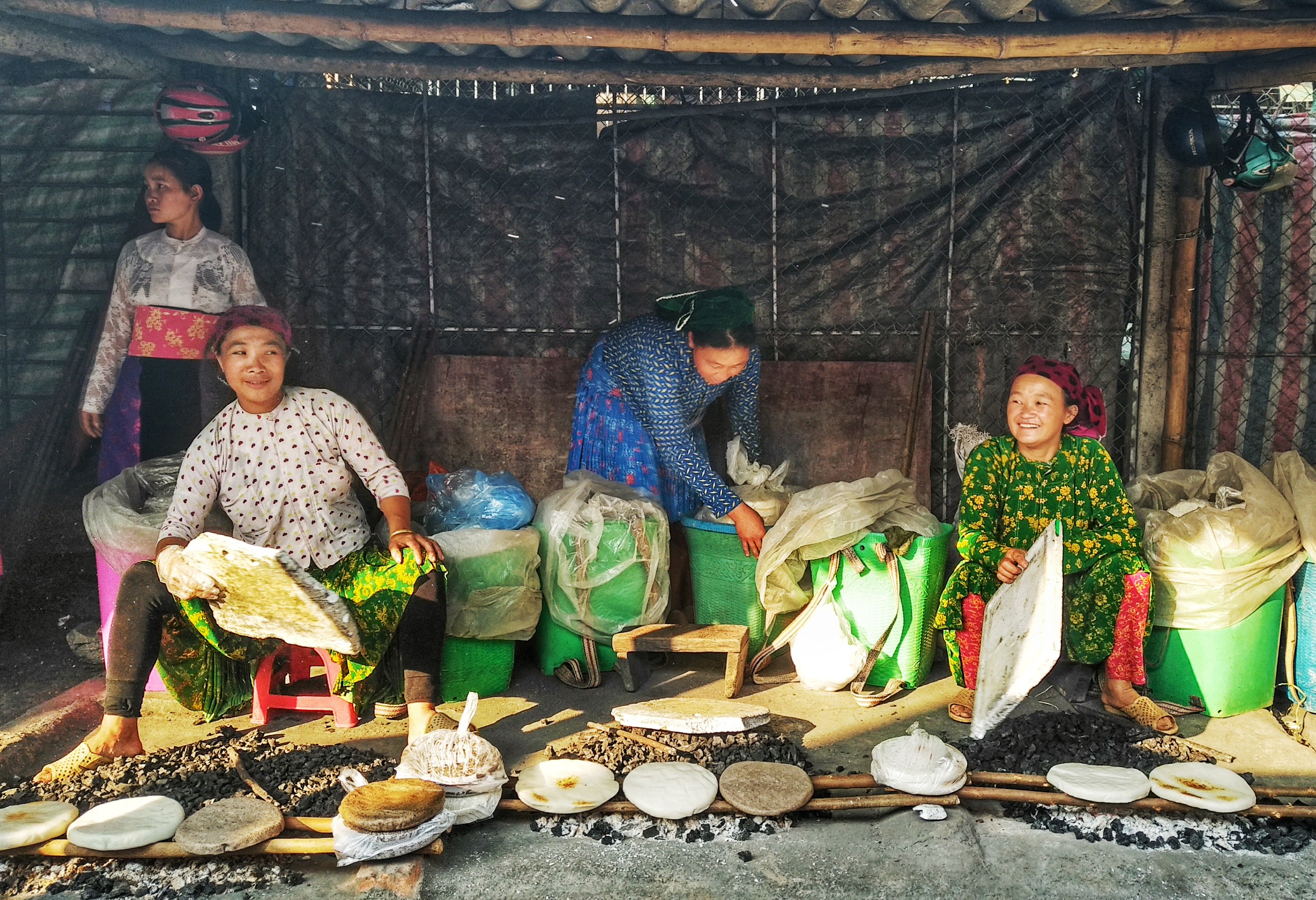
Ha Giang is home to many ethnic minority communities, including groups such as H’Mong, Tay, Dao and Nung. Local culture is visible throughout the loop in clothing, houses, markets, food, farming, family life and village traditions.

This cultural side is one of the reasons the trip feels so different from more developed tourist areas.

You may see local people working in the fields, carrying goods by motorbike, selling produce at markets or wearing traditional clothing in mountain villages. Homestays and local meals also give travelers a closer look at daily life in the region.

It is important to approach this respectfully. Ha Giang is not only a tourist route. It is home to real communities. The best experiences come when travelers are curious, polite and aware that they are visiting someone else’s home region.

4. The Loop Is Perfect for Photography

Ha Giang is one of the best places in Vietnam for photography.

The route offers a mix of landscapes, people, roads, villages, mountains, and everyday life. You do not need to be a professional photographer to come back with memorable images. Even simple phone photos can look impressive because the scenery is so strong.

Good photo opportunities can include:

  • Mountain passes
  • Valley roads
  • Limestone cliffs
  • Rice fields and terraces
  • Local villages
  • Rivers and viewpoints
  • Homestay moments
  • Roadside scenes
  • Morning mist or sunset light

The loop is especially good for travelers who enjoy slow travel. Some of the best photos happen when you are not rushing: a quiet road, a local market, a viewpoint without crowds or a small village scene between major stops.

If photography matters to you, a 3-day or 4-day loop is usually better than trying to do the route too quickly.

5. Local Food and Homestays Make the Trip More Memorable

Food and accommodation are part of the Ha Giang Loop experience.

In remote areas, meals are usually simple, local and filling. You should not expect the same restaurant variety you might find in Hanoi or Ho Chi Minh City. Instead, you can expect home-style food, rice, vegetables, eggs, meat, noodles, soup, and local dishes depending on the stop.

Homestays are also an important part of the route. They give travelers a place to rest after a day on the road and a chance to experience local hospitality. Some places are basic, while others are more comfortable, but the atmosphere is usually social and relaxed.

This is one of the reasons many travelers remember Ha Giang so strongly. The experience is not only about the views during the day. It is also about sitting down for dinner, meeting other travelers, talking to local hosts and resting in a mountain village before the next day’s ride.

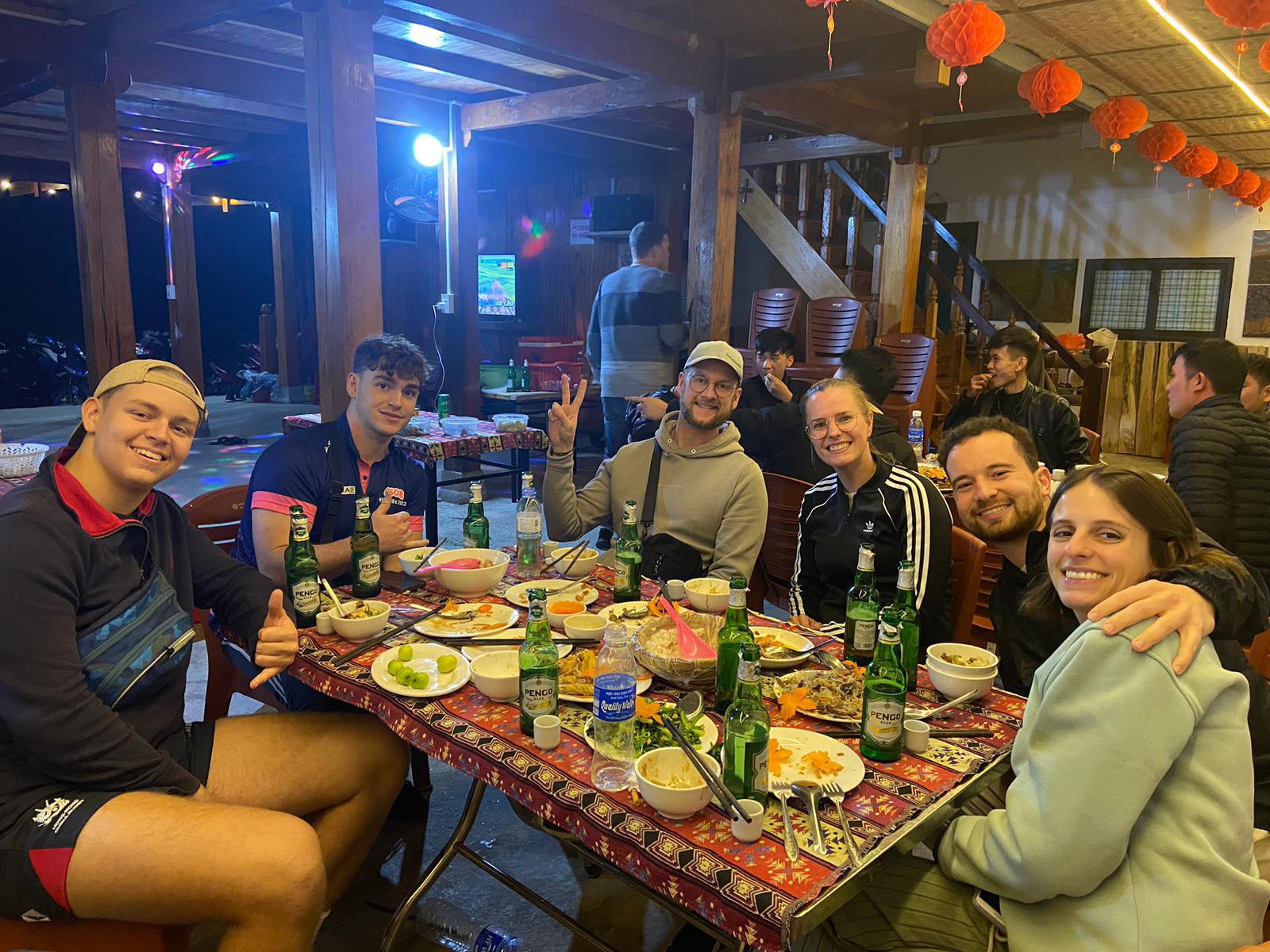
bia hoi time after tour
Bia Hoi time after tour


6. There Are Tour Options for Different Travel Styles

Another reason to visit Ha Giang is that the loop can be experienced in different ways.

You do not have to be an expert motorbike rider to enjoy it. You can choose the option that fits your comfort level, travel style and experience.

Common options include:

  • Small group motorbike tours
  • Private motorbike tours
  • Easy rider tours
  • Self-drive tours for experienced and properly licensed riders
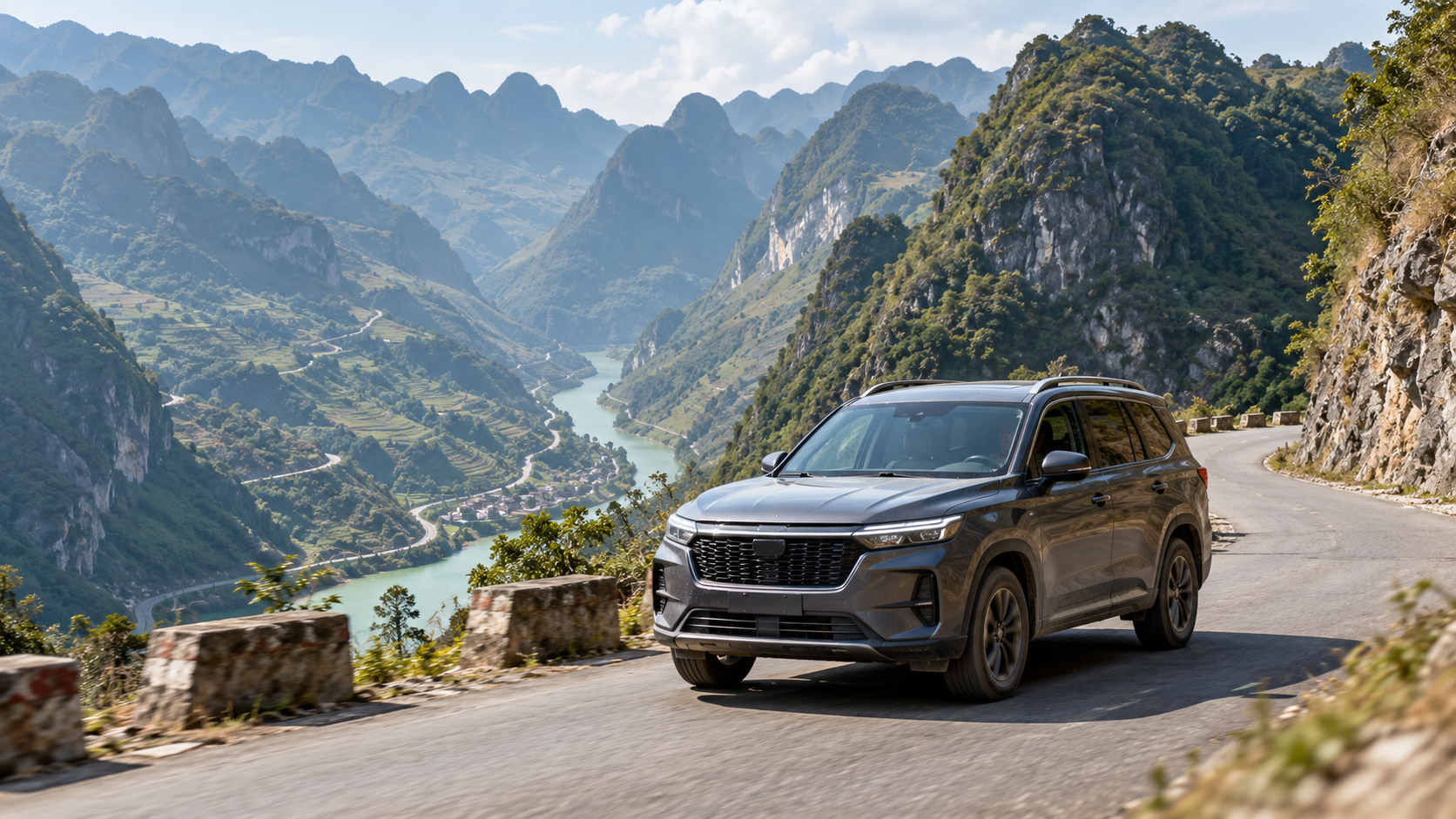
  • SUV car tours
  • Longer Big Loop routes toward Cao Bang, Ban Gioc Waterfall and Ba Be Lake

This matters because not every traveler should choose the same style of trip.

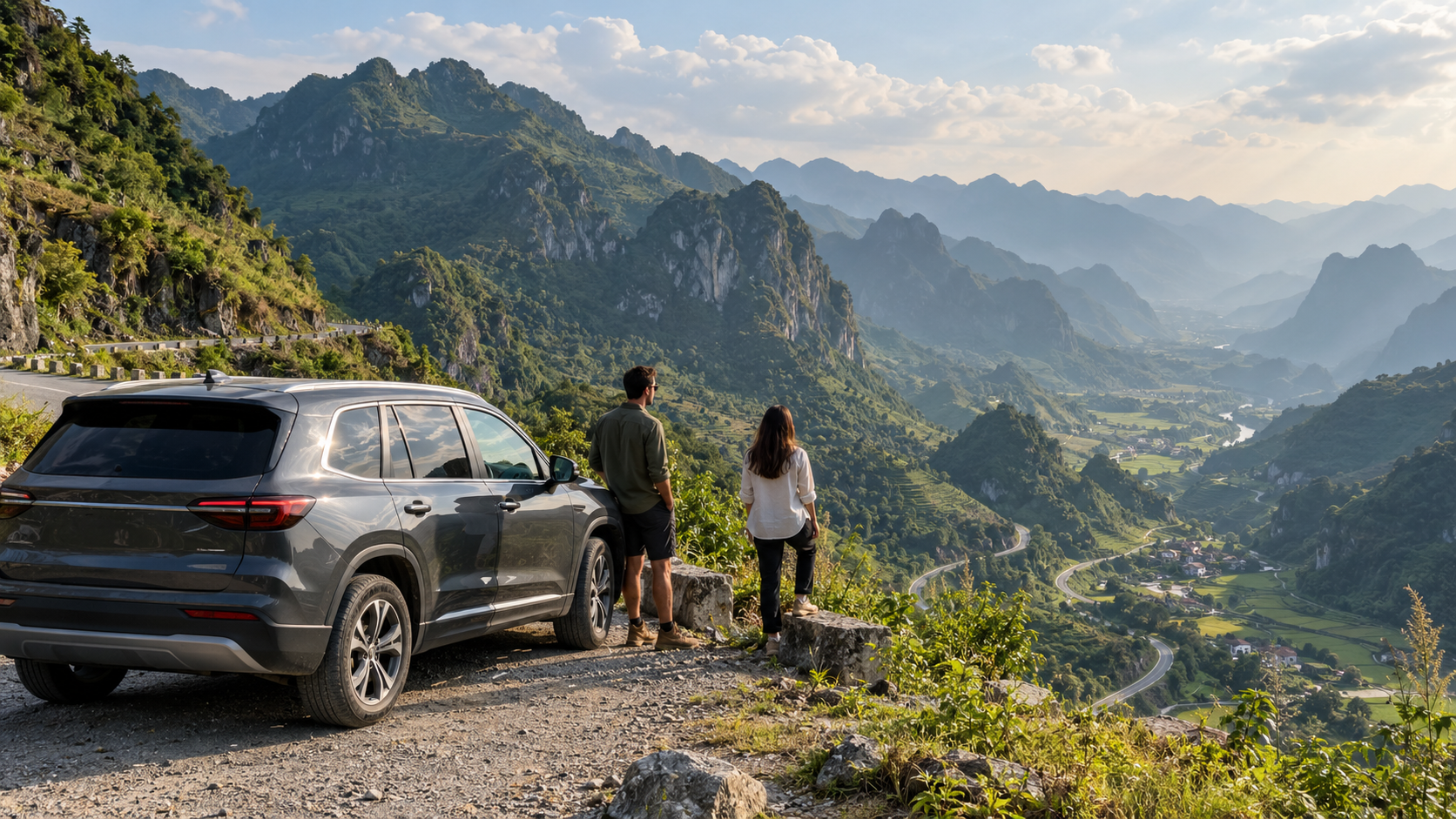
If you are confident and legally prepared to ride, self-driving can be exciting. If you are not experienced, an easy rider is usually the better choice. If you would rather not travel by motorbike at all, an SUV tour can still let you see Ha Giang’s mountain landscapes in a more comfortable way.

The best Ha Giang Loop experience is not always the most extreme one. It is the one that fits your real travel style.

How Many Days Do You Need for the Ha Giang Loop?

Most travellers choose a 2-day, 3-day or 4-day Ha Giang Loop.

A 2-day loop is possible, but it is short and more rushed. It is better for travellers with very limited time.

A 3-day loop is one of the most popular choices because it gives enough time to see major highlights without making the trip too long.

A 4-day loop usually gives a better pace. It allows more time for viewpoints, local stops, photos and a less rushed feeling on the road.

As a simple guide:

  • Choose 2 days if your time is very limited.
  • Choose 3 days for a balanced classic loop.
  • Choose 4 days for a slower and deeper experience.
  • Choose 5–7 days if you want a longer northern Vietnam route beyond the classic loop.

For most travellers, 3 or 4 days is the best choice.

When Is a Good Time to Visit Ha Giang?

Ha Giang can be visited at different times of year, but conditions change by season.

The dry and cooler months are often more comfortable for riding. The mountain scenery can also look different depending on the time of year, with changes in rice fields, flowers, mist, weather, and visibility.

Because Ha Giang is a mountain region, weather can change quickly. Even during a good travel season, you should be prepared for rain, fog, cooler air, and sudden changes in visibility.

Before booking, it is worth asking the local team about current road and weather conditions.

What Should You Prepare Before the Trip?

Before starting the Ha Giang Loop, prepare for a real mountain road journey.

Bring only a small backpack for the loop. Large luggage should be left in Ha Giang before departure. You should also bring comfortable clothes, a warm layer, rain protection, closed shoes, sunscreen, personal medication, cash, and a phone charger.

If you plan to self-drive, make sure you have the correct license, insurance coverage, and enough riding experience for mountain roads. If you are not sure, choose an easy rider instead.

Good preparation makes the trip safer, easier, and more enjoyable.

Is the Ha Giang Loop Worth It?

Yes, the Ha Giang Loop is worth it for travelers who want mountain scenery, road adventure, local culture, and a more remote northern Vietnam experience.

It is especially worth it if you enjoy:

  • Scenic roads
  • Mountain landscapes
  • Local villages
  • Photography
  • Motorbike travel
  • Homestays
  • Slow travel
  • Less commercial destinations
  • Active travel experiences

But the loop is not a luxury resort trip, and it is not always easy. Roads can be winding, weather can change, and long riding days can be tiring. This is part of what makes the experience memorable, but it also means you should choose the right tour style and prepare properly.

Plan Your Ha Giang Loop with Local Support

If you are considering visiting the Ha Giang Loop, start by picking the route and travel style that fit your time, comfort level, and experience.

You can ask about:

  • 2-day, 3-day, and 4-day Ha Giang Loop tours
  • Small group tours
  • Private tours
  • Easy rider options
  • Self-drive requirements
  • SUV tours
  • Hostel stays before or after the loop
  • Bus support from Hanoi, Sapa, Ninh Binh, or Cat Ba
  • Longer Big Loop routes through northern Vietnam

The Ha Giang Loop is one of Vietnam’s most memorable road trips. With the right preparation and local support, it can become one of the strongest experiences of your whole journey.

Safety Tips for Foreign Tourists Traveling by Motorbike in Ha Giang

The Ha Giang Loop is one of the most impressive motorbike routes in Vietnam. It is famous for mountain passes, sharp curves, limestone valleys, local villages, and dramatic roads through northern Vietnam.

For many foreign tourists, riding a motorbike in Ha Giang is a dream experience. But it is also important to understand that Ha Giang is not the same as riding in a city or on flat countryside roads. The route includes mountain roads, steep sections, narrow passes, sudden weather changes, and traffic situations that may feel unfamiliar to visitors.

This does not mean the Ha Giang Loop is something to avoid. It means you should prepare properly, choose the right riding style, and understand your experience level before starting the trip.

This guide explains the most important safety tips for foreign tourists traveling by motorbike in Ha Giang.

Is It Safe to Ride a Motorbike in Ha Giang?

Riding a motorbike in Ha Giang can be safe if you are properly prepared, ride carefully and choose the right option for your ability.

The main risk is not the scenery or the route itself. The risk comes from overconfidence, lack of experience, bad weather, poor road awareness or riding without understanding local traffic conditions.

Ha Giang roads can be challenging, especially for travellers who are not used to riding in mountains. If you are an experienced and legally qualified rider, self-driving may be possible. If you are not confident, the safer option is to choose an easy rider.

An easy rider means you sit behind a local driver instead of driving yourself. This allows you to enjoy the views without handling the motorbike on mountain roads.

Understand the Road Conditions Before You Ride

Ha Giang roads are beautiful, but they require attention.

You can expect:

  • Winding mountain roads
  • Sharp curves
  • Uphill and downhill sections
  • Narrow roads in some areas
  • Gravel, dust or uneven surfaces
  • Wet and slippery roads during rain
  • Local traffic, trucks, buses and animals on the road

Many sections of the loop pass through remote mountain areas. Roads can change from smooth to rough quickly, and weather can make them more difficult.

Do not ride as if you are on a flat highway. Ride slowly, stay alert and give yourself enough space to react.

Be Honest About Your Riding Experience

One of the most important safety tips is simple: be honest about your motorbike experience.

You should not self-drive the Ha Giang Loop just because other travelers are doing it. The route is not ideal for beginners. If you have only ridden a scooter a few times in a city or on an island, Ha Giang mountain roads may be too challenging.

Before choosing self-drive, ask yourself:

  • Do I have real motorbike experience?
  • Am I comfortable riding on mountain roads?
  • Can I handle curves, hills, and changing road surfaces?
  • Do I understand how to brake safely downhill?
  • Do I have the correct license and insurance situation?
  • Would I still feel confident in rain or fog?

If the answer is no, choose an easy rider. It is not a weaker option. For many foreign tourists, it is the smartest and safest way to experience the Ha Giang Loop.

Check License and Insurance Requirements

Before self-driving, make sure you understand the current license and insurance requirements for riding a motorbike in Vietnam.

Rules can depend on your license, your country, the type of permit you carry, and the motorbike you ride. Travel insurance may also have conditions. Some policies do not cover motorbike accidents if you are not properly licensed.

Because of this, you should check your license, international permit, and insurance before deciding to self-drive.

If you are unsure, do not guess. Ask the tour team before booking and consider choosing an easy rider instead.

Choose an Easy Rider If You Are Not Confident

Easy rider tours are popular in Ha Giang for a reason.

With an easy rider, a local driver handles the motorbike while you sit behind and enjoy the road. This is a good option if you want to experience the loop without the stress of driving.

An easy rider is especially recommended if:

  • You do not have the correct licence
  • You are not experienced on mountain roads
  • You are nervous about Vietnamese traffic
  • You want to take photos and enjoy the scenery
  • You are tired after a long bus ride
  • You want a safer and more relaxed experience

For many travelers, an easy rider tour is not only safer but also more enjoyable. You can focus on the landscapes, villages, and local experience instead of worrying about every curve.

Do Not Rush the Ha Giang Loop

The Ha Giang Loop is not a race.

Some travelers try to ride too fast or fit too much distance into too little time. This increases risk and reduces the quality of the experience.

Mountain roads require patience. You need time for viewpoints, rest stops, meals, weather changes, and unexpected road conditions.

A 2-day loop is possible, but it is fast. A 3-day loop is more balanced. A 4-day loop usually gives a better pace and allows more time to enjoy the route safely.

If safety and comfort matter to you, do not choose the shortest route only because it saves time.

Prepare for Sudden Weather Changes

Weather in Ha Giang can change quickly, especially in the mountains.

You may experience sun, fog, wind, cold air, and rain on the same trip. Roads can become slippery when wet, and fog can reduce visibility on mountain passes.

Before starting the loop, prepare for changing conditions.

Bring:

  • Light rain protection
  • A warm layer
  • Comfortable riding clothes
  • Closed shoes
  • Sunscreen
  • A small dry bag or rain cover for important items

If the weather becomes difficult, slow down. In heavy rain or fog, it is better to stop and wait than to continue riding too fast.

Wear Proper Protective Gear

Protective gear matters on the Ha Giang Loop.

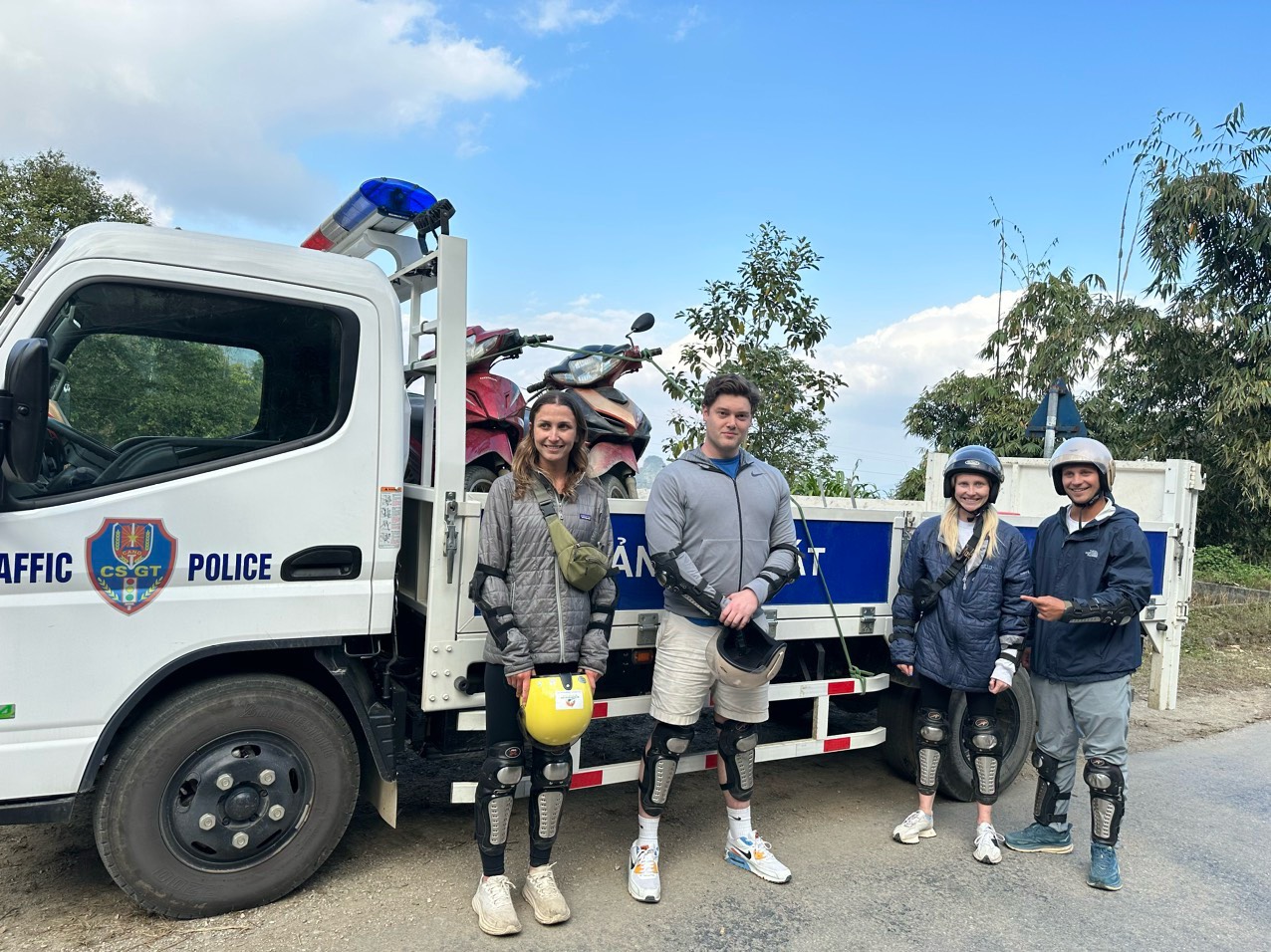
At minimum, you should wear a good helmet and closed shoes. Avoid riding in flip-flops, sandals, or very loose clothing. Even if the weather is hot, you should dress in a way that protects you from sun, wind, dust, and minor falls.

Recommended gear includes:

  • Helmet
  • Closed shoes
  • Long trousers if possible
  • Light jacket or long-sleeve layer
  • Rain jacket
  • Gloves if available
  • Sunglasses or eye protection

The loop is scenic, but it is still a real mountain road trip. Dress for safety, not only for photos.

Keep Your Luggage Small

Do not bring a large suitcase or full backpack on the motorbike.

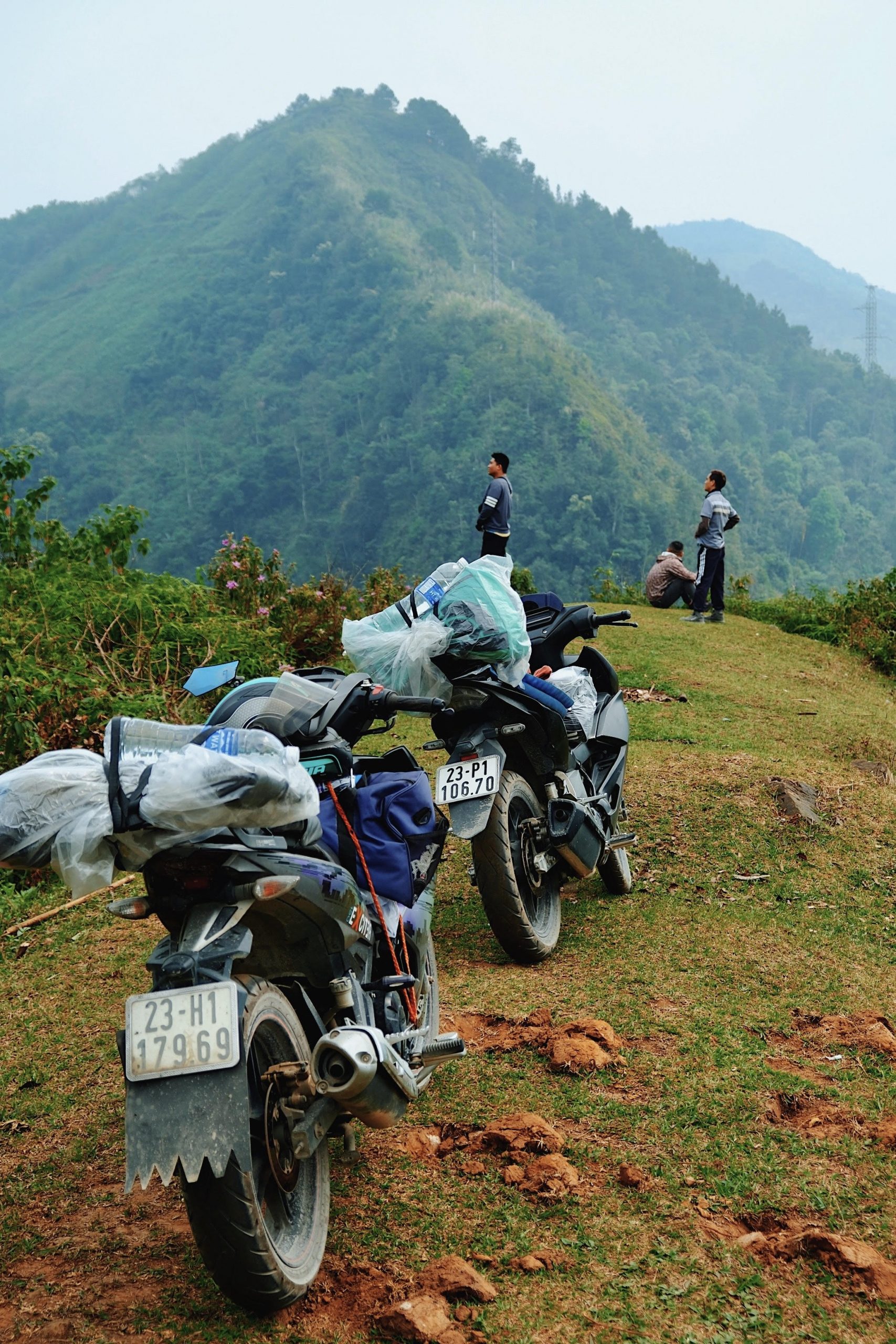
Large luggage makes the ride less comfortable and can affect balance. For the loop, bring only a small backpack with the essentials you need for the riding days.

You can usually leave large luggage at the Ha Giang office or hostel before starting the tour.

Bring only what you need:

  • Clothes for the number of days
  • Personal medication
  • Phone charger
  • Cash
  • Passport or ID
  • Rain protection
  • Warm layer
  • Basic toiletries

Packing light makes the trip easier, safer and more comfortable.

Ride Slowly Through Villages

The Ha Giang Loop passes through local villages and rural communities.

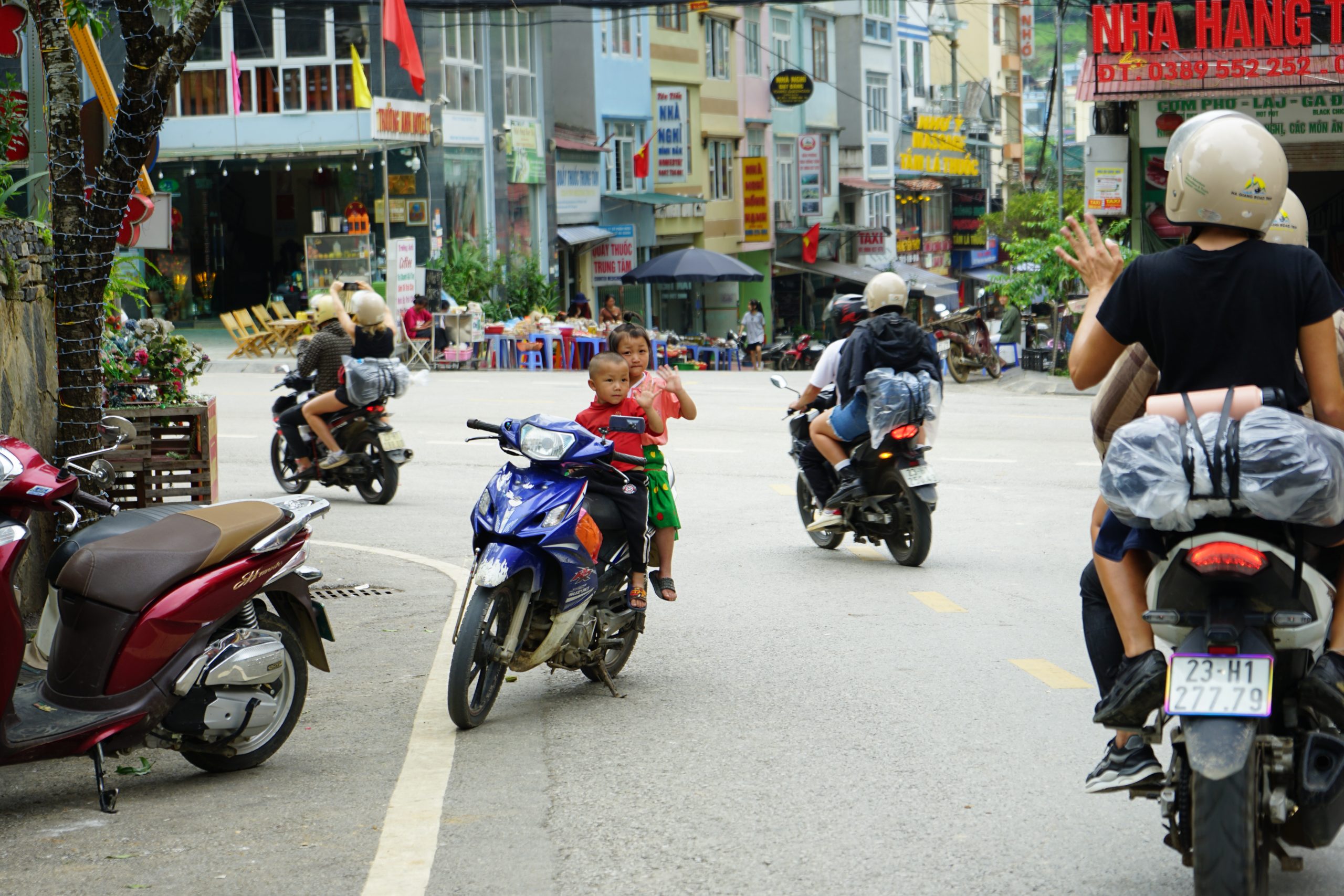
When riding through villages, slow down. Children, animals, motorbikes, bicycles, and local vehicles may appear suddenly. Roads can be narrow, and local people use them for daily life, not only tourism.

Be respectful and careful.

Do not honk aggressively. Do not speed through small villages. Do not stop in a way that blocks the road or disturbs local homes.

Ha Giang is not only a scenic route. It is also home to many communities.

Be Careful on Curves and Downhill Sections

Many accidents happen when riders enter curves too fast or brake incorrectly downhill.

On mountain roads, you should slow down before the curve, not inside the curve. Keep your line, avoid sudden movements, and leave enough space from the rider in front of you.

On downhill sections, do not rely only on sudden hard braking. Ride slowly and carefully. If you feel uncomfortable, stop and ask your guide for help.

Basic riding habits matter:

  • Keep both hands on the handlebars
  • Look ahead through curves
  • Slow down before blind corners
  • Keep distance from other riders
  • Avoid overtaking in risky places
  • Do not ride too close to trucks or buses

It is better to arrive later than to ride beyond your ability.

Do Not Ride After Drinking Alcohol

This should be obvious, but it is important.

Do not drink alcohol before riding. Even small amounts can affect reaction time, balance and judgment. Mountain roads require full attention.

If you want to enjoy local drinks in the evening, do it after the riding day has finished and only when you are no longer driving.

Safety comes first.

Follow Your Guide’s Advice

If you join a tour, listen to your guide or easy rider.

Local guides understand the roads, weather, stops, and timing better than first-time visitors. If they tell you to slow down, wait, change the plan, or avoid a certain section, there is usually a practical reason.

A good guide is not only there to show viewpoints. They help manage the route, keep the group together, and make the ride safer.

If you feel uncomfortable while riding, tell your guide early. Do not wait until you are tired or stressed.

Opi Adventure

Know When to Stop

Sometimes the safest decision is to stop.

Stop if:

  • You feel too tired
  • The weather becomes dangerous
  • Visibility is poor
  • You feel nervous or unstable
  • Your motorbike feels wrong
  • You are unsure about the road
  • You need water or rest

The Ha Giang Loop is not about proving yourself. It is about enjoying one of the most beautiful regions in Vietnam safely.

What Foreign Tourists Should Remember Before the Loop

Before starting your Ha Giang motorbike tour, keep these safety points in mind:

  • Choose self-drive only if you are experienced and properly licensed.
  • Choose an easy rider if you are not confident.
  • Do not rush the route.
  • Bring only a small backpack.
  • Prepare for rain, fog, and cooler mountain weather.
  • Wear a helmet and closed shoes.
  • Slow down through villages.
  • Be careful on curves and downhill sections.
  • Do not ride after drinking alcohol.
  • Listen to your guide.
  • Stop when you feel tired or unsafe.

These simple choices can make your Ha Giang Loop experience safer and much more enjoyable.

Plan a Safer Ha Giang Loop Tour

If you are not sure whether to self-drive or choose an easy rider, ask before booking.

Send your travel date, number of people, riding experience and preferred comfort level. The team can help you choose between small group tours, private tours, easy rider options, SUV tours, or longer Big Loop routes.

Ha Giang is a beautiful place to explore by road, but the best trip is the one that fits your real experience and travel style.

With the right preparation and local support, the Ha Giang Loop can be one of the most unforgettable journeys in Vietnam.

Opi Adventure and Ha Giang Road Trip: Local Tours in Ha Giang

Opi Adventure Company Limited is the local company behind the Ha Giang Road Trip tour brand.

For travelers, this means something simple: when you contact Ha Giang Road Trip, you are speaking with a local team based in Ha Giang, not a distant booking platform. The team helps travelers choose the right route, understand the loop, arrange transport, and prepare for a safer, more enjoyable trip through northern Vietnam.

Ha Giang is one of the most dramatic regions in Vietnam. The province is known for mountain passes, limestone landscapes, ethnic minority villages, winding roads, and remote valleys close to the Chinese border. It is a place where local knowledge makes a real difference.

Who Is Opi?

Opi is a local guide from Ha Giang and the founder of Opi Adventure Company Limited.

After many years working as a tour guide, he built a team focused on helping travelers experience Ha Giang in a more personal and practical way. The goal is not only to show beautiful viewpoints but also to help visitors understand the roads, villages, people, and culture behind the journey.

Because Opi was born and raised in the region, his work is closely connected to local life. He knows the roads, the mountain passes, the villages, the weather changes, and the practical details that travelers often do not think about before arriving.

This local experience is one of the main reasons travelers choose the Ha Giang Road Trip.

What Is Ha Giang Road Trip?

Ha Giang Road Trip is the tour brand operated by Opi Adventure Company Limited.

The brand focuses on Ha Giang Loop tours and extended northern Vietnam road trips. These include small group motorbike tours, private tours, easy rider options, SUV car tours, and longer Big Loop routes toward Cao Bang, Ban Gioc Waterfall, and Ba Be Lake.

The purpose of the Ha Giang Road Trip is to make the loop easier to understand before you book. Travelers can ask about route length, riding style, accommodation, pickup support, safety, luggage, weather, and the difference between each tour option.

This is especially important in Ha Giang because the loop is not a simple city transfer or standard sightseeing day trip. It is a mountain road journey, and the right choice depends on your time, comfort level, and riding experience.

An unforgettable journey

Are Opi Adventure and Ha Giang Road Trip the Same?

Yes. Opi Adventure Company Limited is the registered company, and Ha Giang Road Trip is the tour brand used for Ha Giang Loop tours and travel services.

In practice, this means that both names are connected to the same local team.

You may see the company name in official business information, licensing details, or travel documents. You may see the Ha Giang Road Trip name on the website, tour pages, hostel information, Google Maps, reviews, or communication with travelers.

Both refer to the same operation.

Why Local Knowledge Matters in Ha Giang

Ha Giang is not the kind of destination where every traveler should follow the same route.

Some people only have two days. Others have three or four days and want a more complete loop. Some travelers are confident motorbike riders, while others should choose an easy rider. Some prefer a private tour, while families or couples may prefer an SUV car tour.

Local guidance helps you avoid choosing the wrong trip.

A local team can help answer questions such as:

  • Is 2 days enough for my plan?
  • Should I choose 3 days or 4 days?
  • Is self-driving safe for me?
  • Do I need an easy rider?
  • Can I leave large luggage in Ha Giang?
  • What should I pack for the loop?
  • Can I stay before or after the trip?
  • How does bus pickup from Hanoi work?
  • Which route is best for my travel style?

These questions matter because the Ha Giang Loop includes long riding days, changing weather, mountain roads, and overnight stops in smaller towns or villages.

Tour Options from Ha Giang Road Trip

Ha Giang Road Trip offers different ways to experience the region, depending on your time, comfort level, and travel style.

Small Group Ha Giang Loop Tours

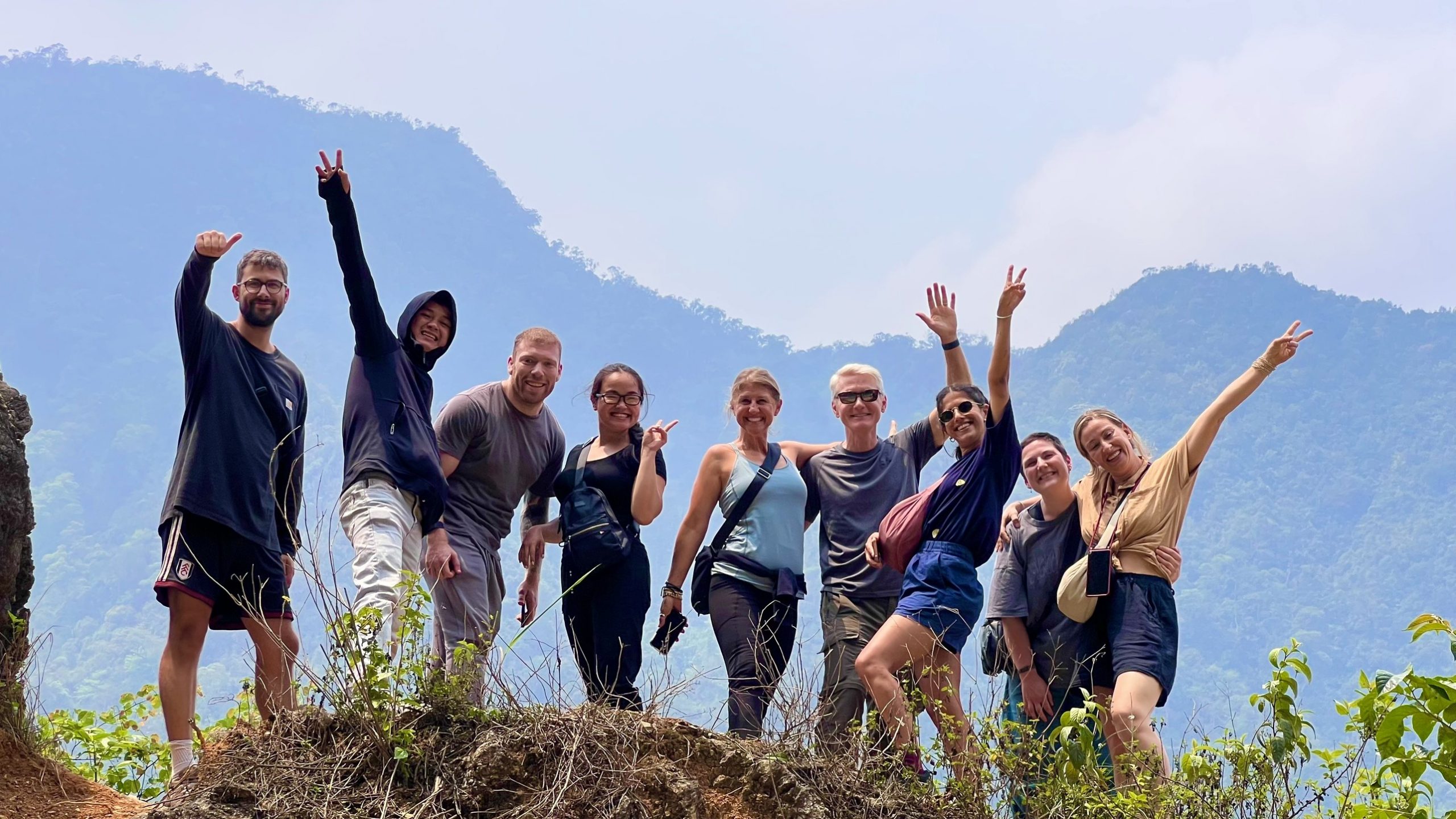
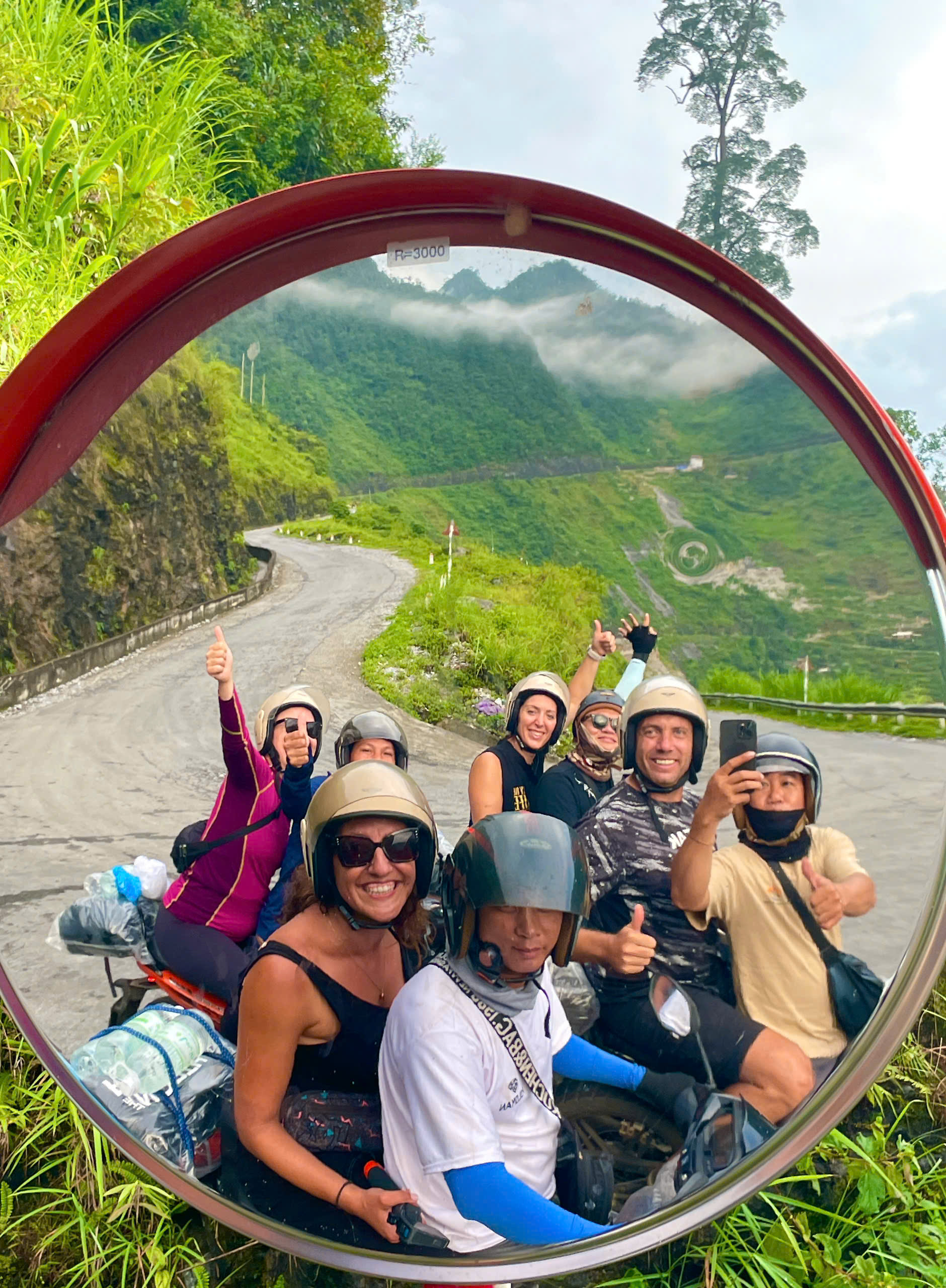
Small group tours are a practical option for solo travelers, couples, and friends who want to share the experience with other travelers. These tours usually follow classic Ha Giang Loop routes over 2, 3, or 4 days.
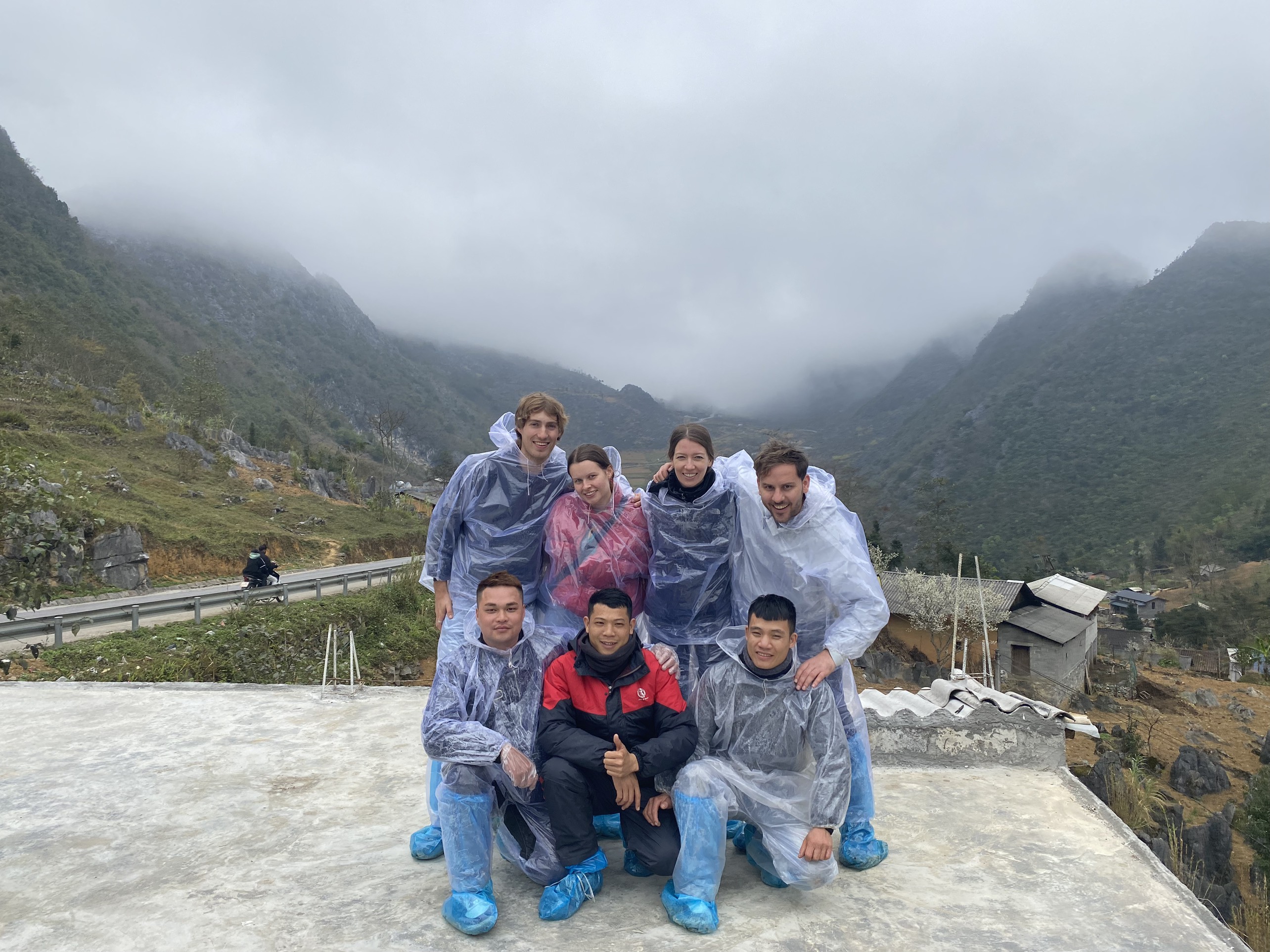
Private Motorbike Tours

Private tours are better for travelers who want more flexibility, privacy, and a route adjusted more closely to their pace. They are often a good choice for couples, families, or small groups.

Easy Rider Tours

An easy rider tour means you sit behind a local driver instead of driving yourself. This is a good option if you do not have the correct license, do not feel confident on mountain roads, or simply want to enjoy the views without handling the motorbike.

SUV Car Tours

SUV tours are suitable for travelers who want to see Ha Giang without riding a motorbike. This can be a good option for families, older travelers, couples, or anyone who prefers a more comfortable way to travel.

Big Loop Routes

For travelers with more time, Ha Giang Road Trip also offers longer northern Vietnam routes. These can continue beyond the classic Ha Giang Loop toward Cao Bang, Ban Gioc Waterfall, and Ba Be Lake.

More Than Just a Tour

Ha Giang Road Trip is not only about booking a motorbike tour.

The team also helps with practical travel details before and after the loop. This may include hostel stays in Ha Giang, luggage storage, bus support, pickup information, and advice about which route is realistic for your schedule.

This is useful because many travelers arrive in Ha Giang by night bus from Hanoi, Sapa, Ninh Binh, or Cat Ba. Having a local base makes the trip easier, especially if you need to rest, leave luggage, or confirm final details before departure.

Our Base in Ha Giang City

The Ha Giang Road Trip base is located in Ha Giang City.

Ha Giang Road Trip Hostel & Tours
No. 1 Alley 23 Le Hoan Street
Minh Khai Ward
Ha Giang City
Vietnam

Travelers can contact the team before arriving to ask about tours, hostel availability, bus support, or route advice.

ha giang road trip hostel and tours
Ha Giang Road Trip Hostel

Company Information

OPI ADVENTURE COMPANY LIMITED
International Tour Operator License No: 02-009/2023/CDLQVN-GP LHQT
Business Registration Number: 5100494369

Contact Ha Giang Road Trip

Phone / WhatsApp: +84 948 24 24 21
Email: hagiangmotorbiketour@gmail.com

For the fastest answer, send your travel date, number of people, and preferred tour style. If you are not sure which option fits your trip, the team can help you compare small group tours, private tours, easy rider options, SUV tours, and longer northern Vietnam routes.

Plan Your Ha Giang Loop with a Local Team

The Ha Giang Loop is one of Vietnam’s most memorable road trips, but the best experience starts with the right preparation.

Choosing a local team helps you understand the route before you go, prepare for the mountain roads, and select the travel style that fits your time and comfort level.

Whether you want a classic Ha Giang Loop tour, a private motorbike trip, an easy rider, an SUV tour, or a longer Big Loop route. Ha Giang Road Trip can help you plan the journey from a local base in Ha Giang.

ha giang road trip easy rider