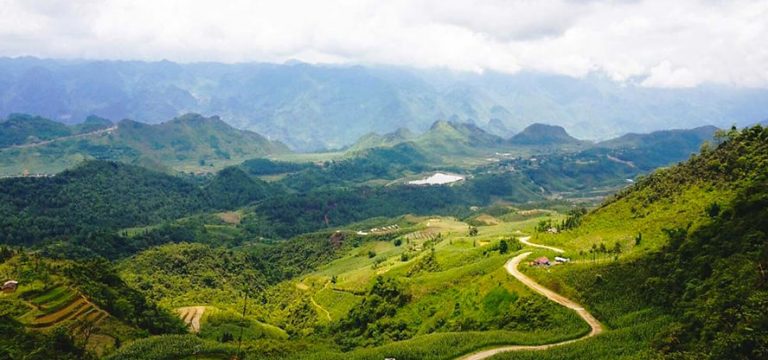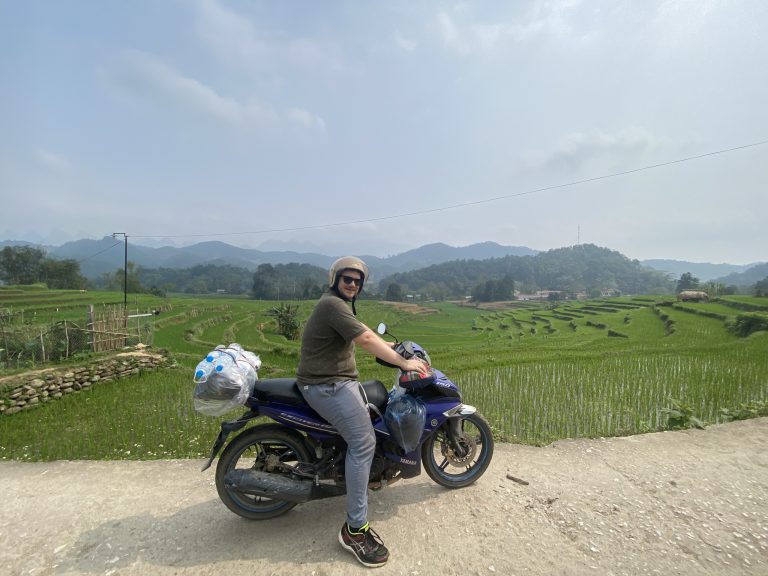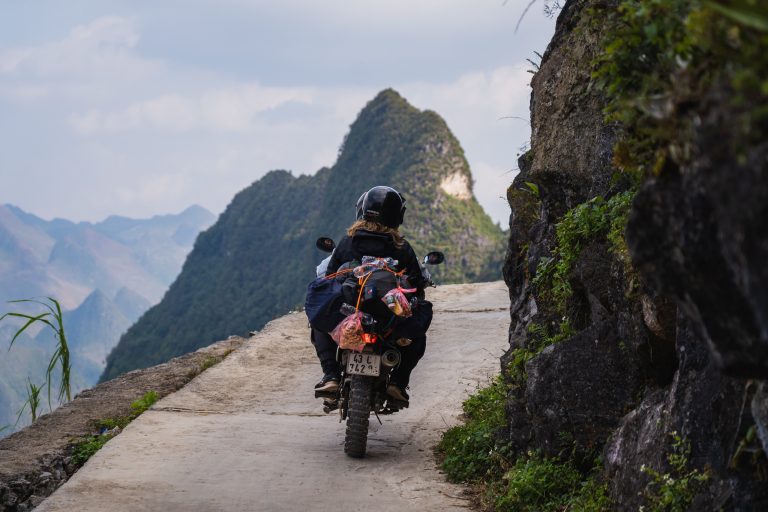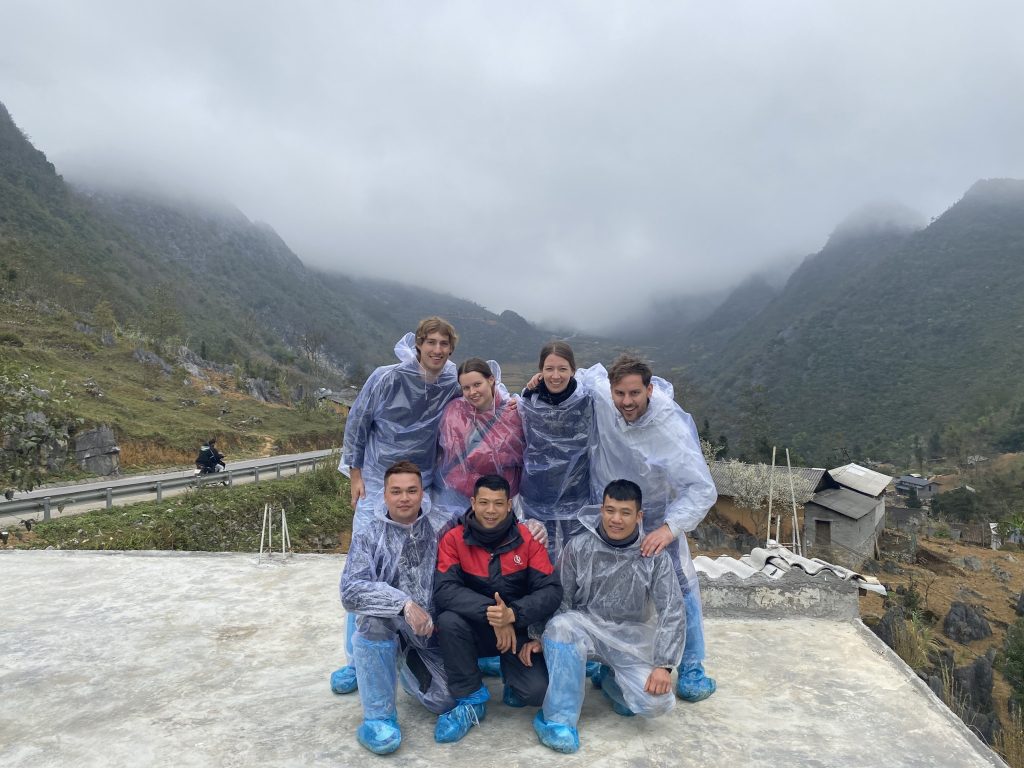
The Ha Giang Loop can be visited throughout the year, but every season offers a different experience.
Some months bring clear mountain views and comfortable riding temperatures. Others offer green rice fields, misty valleys, seasonal flowers, or dramatic clouds over the limestone peaks. During the wetter months, the landscape can look especially green, although rain may also make the roads more challenging.
For most travelers, the best time to visit the Ha Giang Loop is during spring or autumn. However, the right month depends on what you want to see, how comfortable you are with changing weather, and whether you prefer warmer or cooler conditions.
This month-by-month guide explains what to expect throughout the year and helps you choose the best time for your Ha Giang Loop tour.
When Is the Best Time to Visit the Ha Giang Loop?
The most popular periods for visiting Ha Giang are generally:
- March to April for mild temperatures and spring scenery
- September to November for clearer weather, rice fields, and autumn colours
- December to February for cooler mountain conditions and fewer visitors
May to August is usually warmer and wetter. The mountains are very green during this period, but rain can be heavier, and road conditions may change quickly.
There is no single perfect month for everyone. Ha Giang is a mountain region, so weather can remain unpredictable even during the most popular travel seasons.
The best approach is to choose the season that matches your travel style and remain prepared for rain, fog, wind, and cooler temperatures.
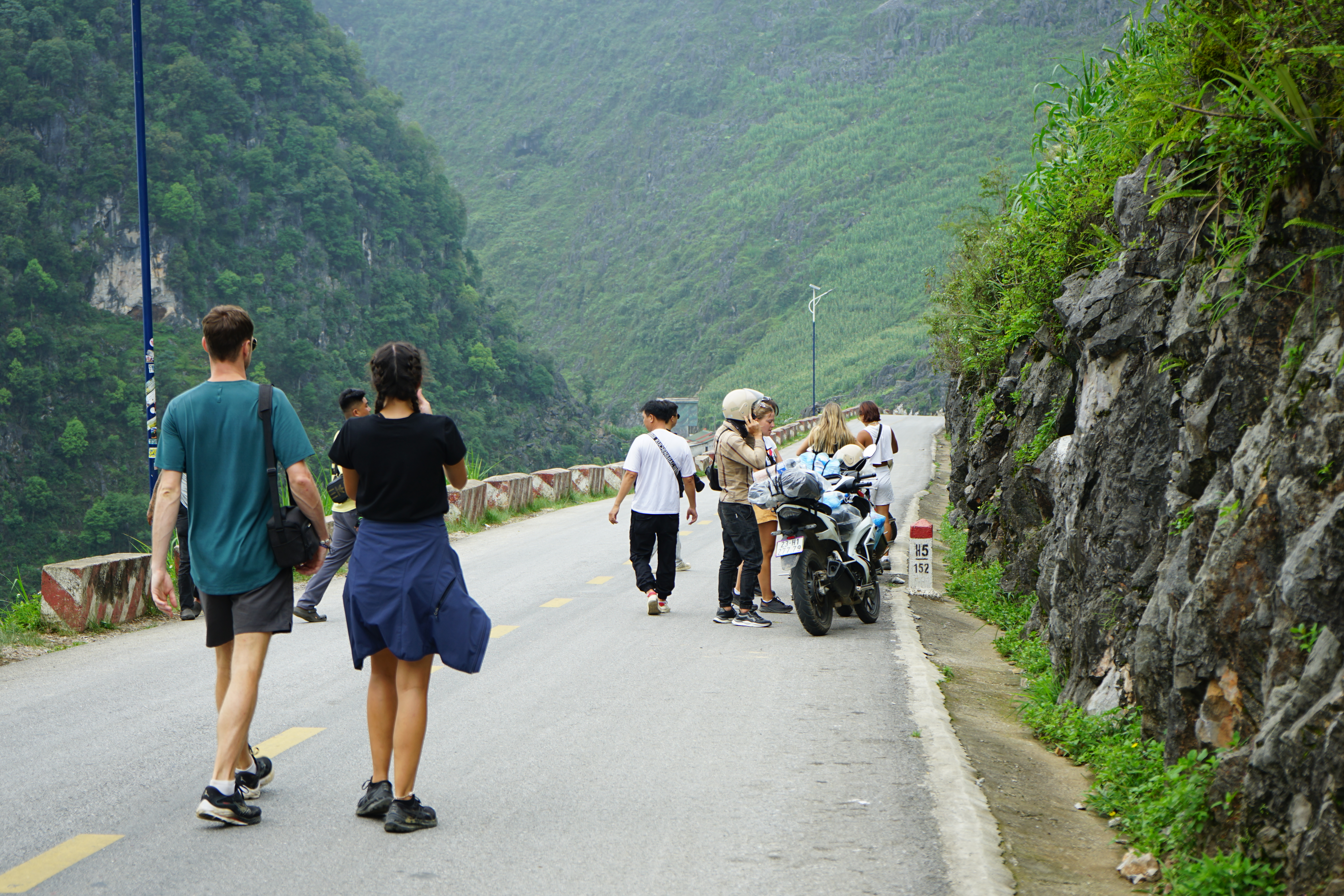
Ha Giang Loop Weather by Season
Before looking at individual months, it helps to understand the four general travel periods.
Spring: March to April
Spring is one of the most comfortable times to travel around Ha Giang.
Temperatures are usually milder than in winter, while heavy summer rain has not fully arrived. Mountain visibility can be good, and the landscape begins to become greener.
This period is suitable for travelers who want comfortable riding conditions without the hottest or wettest weather.
Summer and Rainy Season: May to August
Summer is warmer, more humid, and generally wetter.
The mountains, valleys, and rice fields can look very green during this period. However, rain may arrive suddenly, visibility can become limited, and some roads may become slippery or muddy.
The Ha Giang Loop is still possible during summer, but travelers should remain flexible and follow local advice about current road conditions.
Autumn: September to November
Autumn is often considered one of the best times to visit Ha Giang.
The weather may become drier and more comfortable, while the landscape can include golden rice fields, clearer viewpoints, and pleasant riding temperatures.
October and November are particularly popular, although conditions can vary from year to year.
Winter: December to February
Winter in Ha Giang can feel cold, especially in higher mountain areas and during the early morning or evening.
Some days may be clear and dry, while others can be misty, cloudy or windy. Travelers should bring warm layers, gloves and suitable clothing for long periods on the road.
Winter can be a good option for visitors who prefer fewer crowds and do not mind cooler temperatures.
Visiting the Ha Giang Loop in January
January is usually one of the coldest months in Ha Giang.
Morning and evening temperatures can feel particularly low in mountain areas such as Dong Van and Meo Vac. Fog and mist are also possible, especially around high passes.
The landscape can still be impressive, but visibility may change throughout the day. You may begin the morning in thick fog and later experience clearer views.
January is suitable for travelers who:
- Prefer cooler weather
- Want to avoid the busiest periods
- Do not mind wearing several warm layers
- Enjoy misty and atmospheric mountain scenery
Bring a warm jacket, long trousers, closed shoes and gloves if available. An Easy Rider can be a more comfortable choice if you are unfamiliar with riding in cold or foggy conditions.
Visiting the Ha Giang Loop in February
February remains cool, but signs of spring may begin to appear.
Depending on the year and local conditions, visitors may see seasonal flowers in mountain villages and valleys. The scenery can include peach blossoms, plum blossoms and other spring colours.
Weather can still be misty, and cold air may remain in higher areas. However, February can be an attractive month for photography and quieter travel.
It is a good month for travelers interested in:
- Seasonal flowers
- Local villages
- Cooler temperatures
- Fewer tour groups
- Atmospheric mountain photography
Warm clothing is still important, particularly during the first and last parts of the riding day.
Visiting the Ha Giang Loop in March
March is one of the best months to visit the Ha Giang Loop.
Temperatures usually become more comfortable, and the landscape begins to feel more like spring. There may still be occasional fog or rain, but riding conditions are often more pleasant than during winter.
March is suitable for:
- Motorbike tours
- Easy Rider trips
- Photography
- Three-day and four-day itineraries
- Travellers who prefer moderate temperatures
Because conditions are generally comfortable, March can also become busier than January or February. Booking your preferred tour and accommodation in advance is recommended.
Visiting the Ha Giang Loop in April
April is another strong month for traveling around Ha Giang.
Days can be warmer, while the heaviest part of the rainy season has usually not yet arrived. Mountain roads may feel more comfortable, and travelers can enjoy longer periods outside without the colder winter air.
April is a good choice if you want:
- Warmer riding conditions
- Green mountain scenery
- A three-day or four-day loop
- More comfortable mornings and evenings
- A balance between spring weather and summer warmth
Rain is still possible, so bring lightweight waterproof protection and keep important items inside a dry bag.
Visiting the Ha Giang Loop in May
May marks the transition toward warmer and wetter weather.
The landscape becomes greener, and agricultural activity increases in rural areas. Rice fields may begin to fill with water, creating reflective surfaces across some valleys and terraces.
May can be beautiful, but temperatures and humidity may feel higher than in March or April. Short but heavy rain showers are also possible.
Travelers visiting in May should prepare for:
- Warm daytime temperatures
- Increasing humidity
- Sudden rain
- Green valleys and fields
- Changing road conditions
A flexible itinerary is useful because the local team may need to adjust timing according to rain or visibility.
Visiting the Ha Giang Loop in June
June is usually warm and wet.
The mountains can look intensely green, and clouds often move dramatically through the valleys. This creates impressive scenery, but rain can also reduce visibility and make some road surfaces more difficult.
June may suit travelers who:
- Enjoy green landscapes
- Do not mind tropical rain
- Can remain flexible
- Prefer fewer visitors than during peak autumn months
- Are traveling with an experienced guide or Easy Rider
Self-driving should only be considered by experienced and properly licensed riders who are confident in wet mountain conditions.
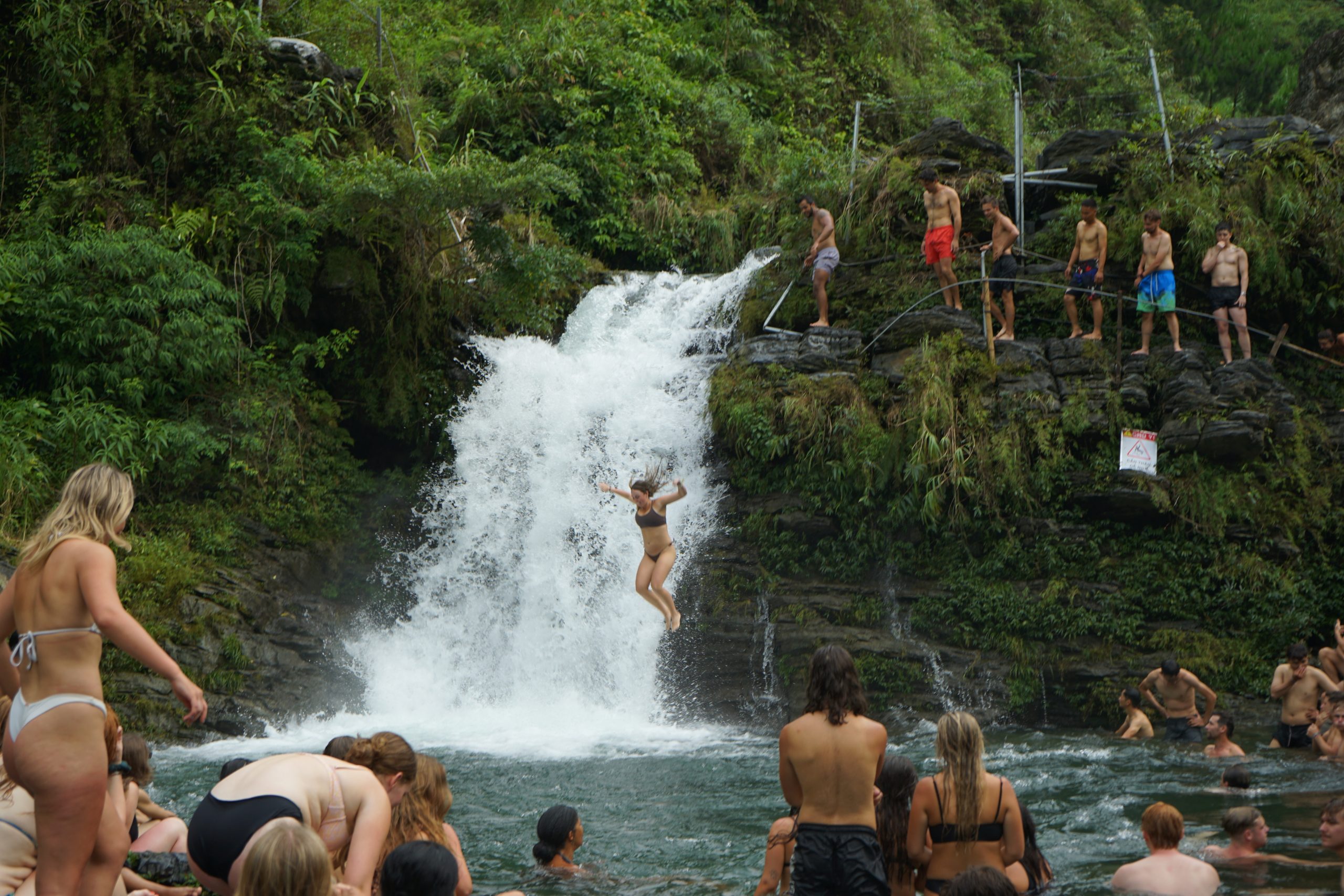
Visiting the Ha Giang Loop in July
July is commonly one of the wetter months in northern Vietnam.
Heavy rain may occur, although it does not necessarily rain continuously throughout every day. Some days may include clear periods between showers, while others can be more unsettled.
The main concerns during July are slippery roads, lower visibility and possible changes to local routes.
Before traveling, ask the local team about:
- Current road conditions
- Weather forecasts
- Any damaged or restricted road sections
- The safest route for your travel dates
- Whether an Easy Rider or SUV would be more appropriate
The scenery can still be beautiful, but safety and flexibility should be the priority.
Visiting the Ha Giang Loop in August
August remains part of the wetter summer period.
The landscape is usually green and full, with active rivers, rice fields and vegetation. However, rain can remain unpredictable, and the roads may require extra caution.
August can still be a rewarding time to visit if you understand that the itinerary may change.
Choose an Easy Rider or SUV tour if:
- You are not experienced on wet mountain roads
- You want to focus on the scenery rather than driving
- You are traveling with children or older family members
- You prefer a more comfortable option during changing weather
Bring waterproof clothing and protect your passport, phone, and electronics from rain.
Visiting the Ha Giang Loop in September
September is one of the most attractive months for the Ha Giang Loop.
Rain may begin to reduce, while some areas enter the rice harvest period. Depending on the exact location and timing, travelers may see green and golden fields across valleys and terraces.
September offers a strong combination of:
- Rice field scenery
- Comfortable temperatures
- Improving visibility
- Green mountains
- Good photography conditions
Weather can still vary, particularly at the beginning of the month, but September is often an excellent time for a longer three-day or four-day trip.
Visiting the Ha Giang Loop in October
October is frequently considered one of the best months to visit Ha Giang.
The weather is often more comfortable, and mountain visibility may be better than during the rainy season. Rice fields, dry roads and cooler air can create good conditions for riding and photography.
October is suitable for almost every travel style:
- Small group tours
- Private tours
- Easy Rider tours
- Experienced self-drivers
- SUV tours
- Longer Big Loop routes
Because October is popular, tours, buses and accommodation may fill more quickly. Booking in advance is a good idea, especially if you have fixed travel dates.
Visiting the Ha Giang Loop in November
November is another excellent month for the Ha Giang Loop.
Temperatures usually begin to fall, but conditions can remain pleasant during the day. The scenery may include clearer skies, dry mountain roads and seasonal flowers in some parts of the province.
November is particularly popular with photographers and travelers who prefer cooler temperatures without the coldest winter conditions.
It is a good month for:
- Scenic viewpoints
- Mountain photography
- Private tours
- Longer itineraries
- Travellers who want to avoid summer rain
Bring a warm layer for mornings and evenings, especially if your route includes higher areas.
Visiting the Ha Giang Loop in December
December brings cooler winter weather back to the mountains.
Days can be dry and clear, but cold air, fog and wind are possible. Temperatures may feel much lower while riding because of the movement and exposure on mountain roads.
December is suitable for travelers who:
- Prefer cooler weather
- Want a quieter experience
- Are prepared with warm clothing
- Enjoy dramatic winter landscapes
- Are comfortable with changing visibility
Pack more warm clothing than you would for Hanoi or other lowland destinations. A windproof jacket and gloves can make a major difference.
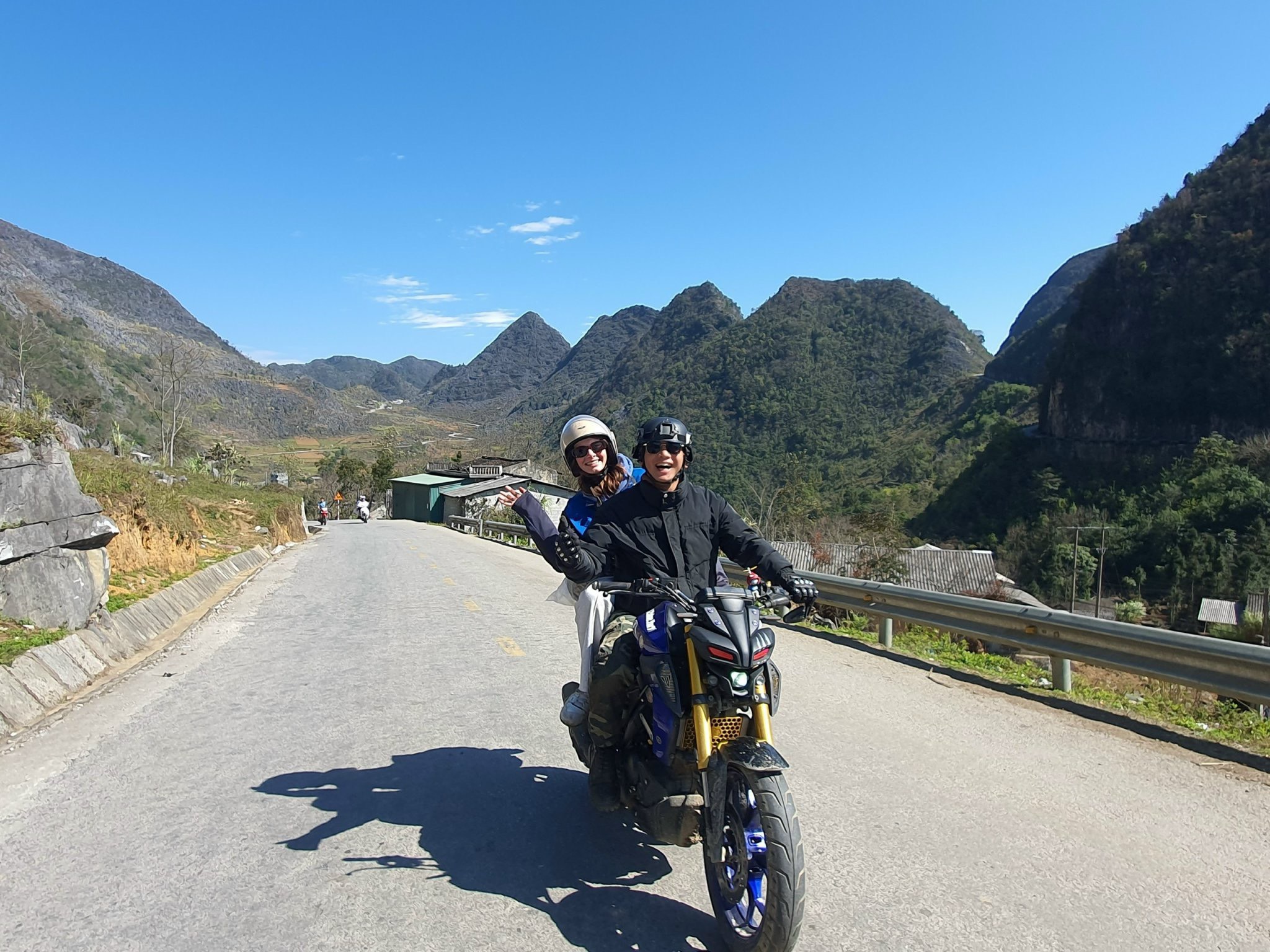
Best Time for Clear Mountain Views
For clearer viewpoints and more comfortable riding conditions, March, April, October, and November are usually strong choices.
However, mountain visibility is never guaranteed. Clouds and fog can appear quickly, particularly around Ma Pi Leng Pass and higher areas near Dong Van.
Even during a generally dry period, one part of the route may be clear while another is covered by cloud.
A longer itinerary gives you a better chance of experiencing good views because you are not depending on the weather during a single day.
Best Time to See Rice Fields
The rice season can vary by area, altitude and annual weather conditions.
Travelers may see:
- Water-filled fields around late spring or early summer
- Green rice during the summer
- Golden or harvested fields around September and early autumn
Not every part of the Ha Giang Loop follows the same planting schedule. Ask the local team about current conditions before booking if rice field photography is one of your main priorities.
Best Time for Flowers
Seasonal flowers can appear during winter, spring and late autumn.
Depending on the year, location, and weather, visitors may see peach blossoms, plum blossoms, mustard flowers or buckwheat flowers in different mountain areas.
Flower seasons are difficult to predict precisely because they depend on temperature, rain and local agricultural cycles.
Travelers interested in flowers should remain flexible and ask for current local information rather than relying only on fixed calendar dates.
Best Time for Motorbike Tours
March, April, September, October and November are generally comfortable months for motorbike travel.
These months often provide a useful balance between temperature, rainfall and visibility.
That does not mean the roads are always dry or easy. Ha Giang remains a mountain destination, and conditions can change at any time.
Self-driving should only be chosen by travelers who are:
- Properly licensed
- Covered by suitable insurance
- Experienced on motorbikes
- Confident on steep and winding roads
- Comfortable in changing weather
Travelers without this experience should choose an Easy Rider.
What to Pack for Each Season
Your packing list should change depending on the month.
For spring and autumn
Bring:
- Light jacket
- Rain protection
- Closed shoes
- Comfortable riding clothes
- Sunscreen
- Small backpack
- Phone charger or power bank
For summer
Bring:
- Lightweight clothes
- Waterproof jacket
- Dry bag or rain cover
- Sunscreen
- Mosquito repellent
- Closed shoes
- Spare dry clothing
For winter
Bring:
- Warm jacket
- Long trousers
- Several layers
- Gloves
- Closed shoes
- Wind protection
- Rain jacket
Regardless of the month, avoid bringing large luggage on the motorbike. Leave suitcases and large backpacks at the hostel or office in Ha Giang.
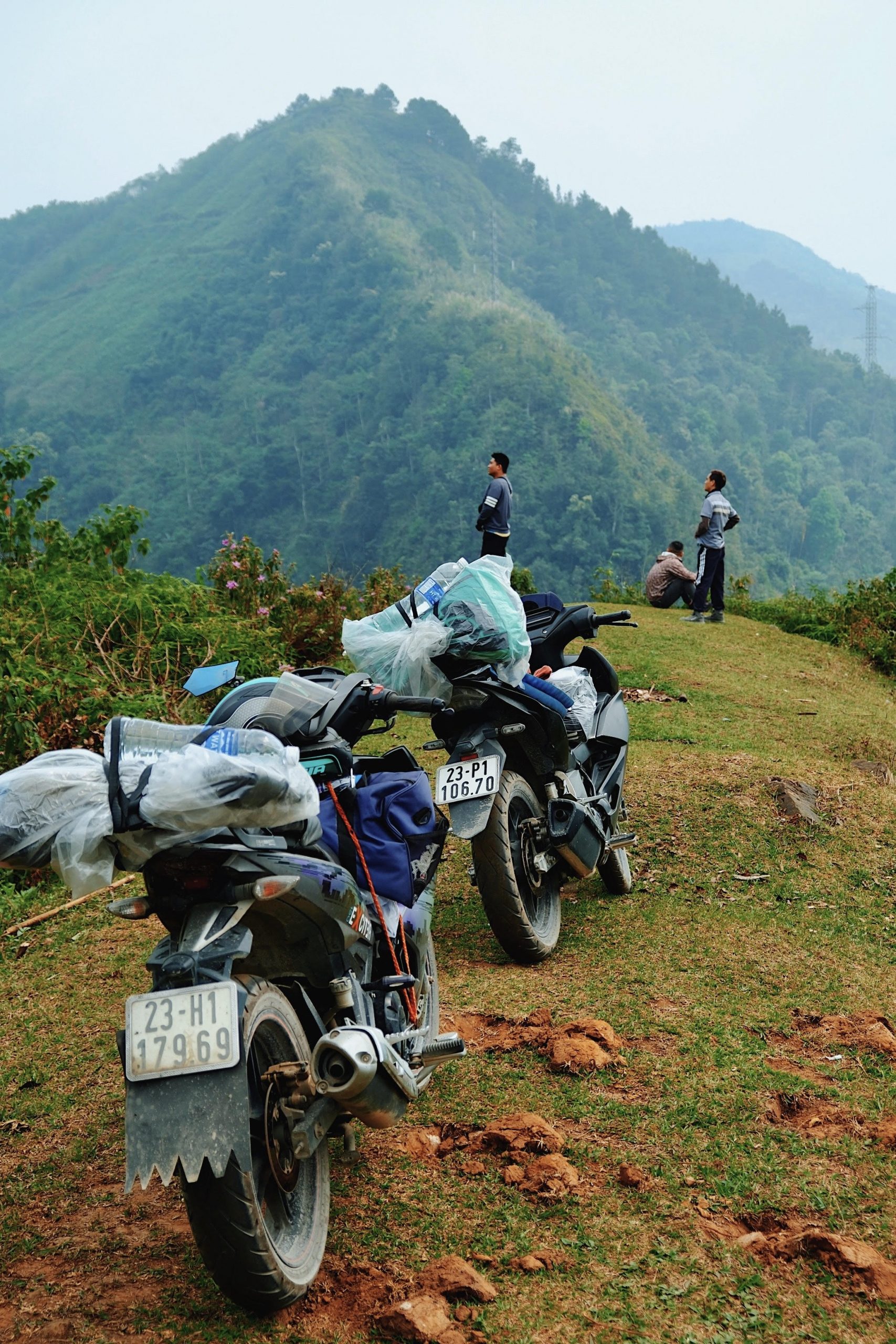
Does the Weather Change the Tour Route?
Yes, the route or daily timing may occasionally need to change because of rain, fog, roadworks or local conditions.
A responsible local team may:
- Leave earlier or later
- Spend less time at an exposed viewpoint
- Use an alternative road
- Adjust the order of stops
- Wait for heavy rain to pass
- Recommend an Easy Rider or SUV instead of self-driving
These changes are made for safety and comfort. The Ha Giang Loop is a mountain journey, so flexibility is part of the experience.
Which Month Should You Choose?
Choose March or April if you want mild spring weather and comfortable riding conditions.
Choose May to August if you want very green landscapes and do not mind rain or changing plans.
Choose September to November if you want rice fields, cooler air and generally favorable conditions.
Choose December to February if you prefer quieter travel and are prepared for cold, fog and winter weather.
For most first-time visitors, March, April, October and November are among the strongest options.
Plan Your Ha Giang Loop for the Right Season
The Ha Giang Loop offers something different throughout the year.
Spring brings milder weather and fresh mountain scenery. Summer creates green valleys and dramatic clouds. Autumn offers rice fields and comfortable riding conditions, while winter provides quieter roads and atmospheric landscapes.
Before booking, send the local team your travel date, number of travelers, and preferred travel style. They can help you choose between a small group tour, private tour, Easy Rider, self-driving option or SUV tour based on the current season and road conditions.
No month can guarantee perfect weather in the mountains. However, with the right clothing, realistic expectations and local support, the Ha Giang Loop can be an unforgettable experience at almost any time of year.