If you want to combine Ha Giang and Cao Bang in one northern Vietnam road trip, five days is the practical minimum.
Six days lets you continue to Ba Be Lake.
Seven days gives you more time for the wider northern route and makes Ba Be a real part of the trip rather than simply the place where the journey finishes.
So the choice is not really between three versions of the same tour.
The routes overlap, but they do different things.
A 5-day trip focuses on Ha Giang and Cao Bang. A 6-day trip connects Ha Giang, Cao Bang, and Ba Be. A 7-day trip gives you the longest version, with more time around Ba Be and an additional return leg through northern Vietnam.
The mistake is choosing the longest route automatically.
More days only make sense if you actually have the time and energy for a longer mountain road trip.
First: What Is the Ha Giang and Cao Bang Loop?
The classic Ha Giang Loop normally stays within the Ha Giang region.
You travel through places such as Quan Ba, Yen Minh, Dong Van, Ma Pi Leng Pass, and Meo Vac before eventually returning toward Ha Giang.
The extended route does something different.
Instead of turning back after Meo Vac, you continue east toward Bao Lac and Cao Bang Province.
That opens another section of northern Vietnam with places such as Ban Gioc Waterfall, Nguom Ngao Cave, Khuoi Ky Village, and the mountain roads around Cao Bang.
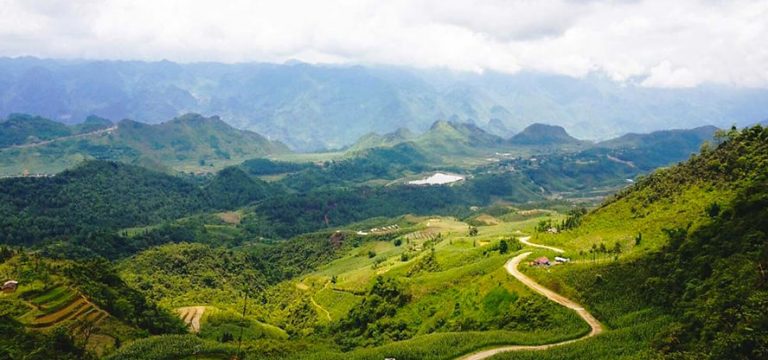
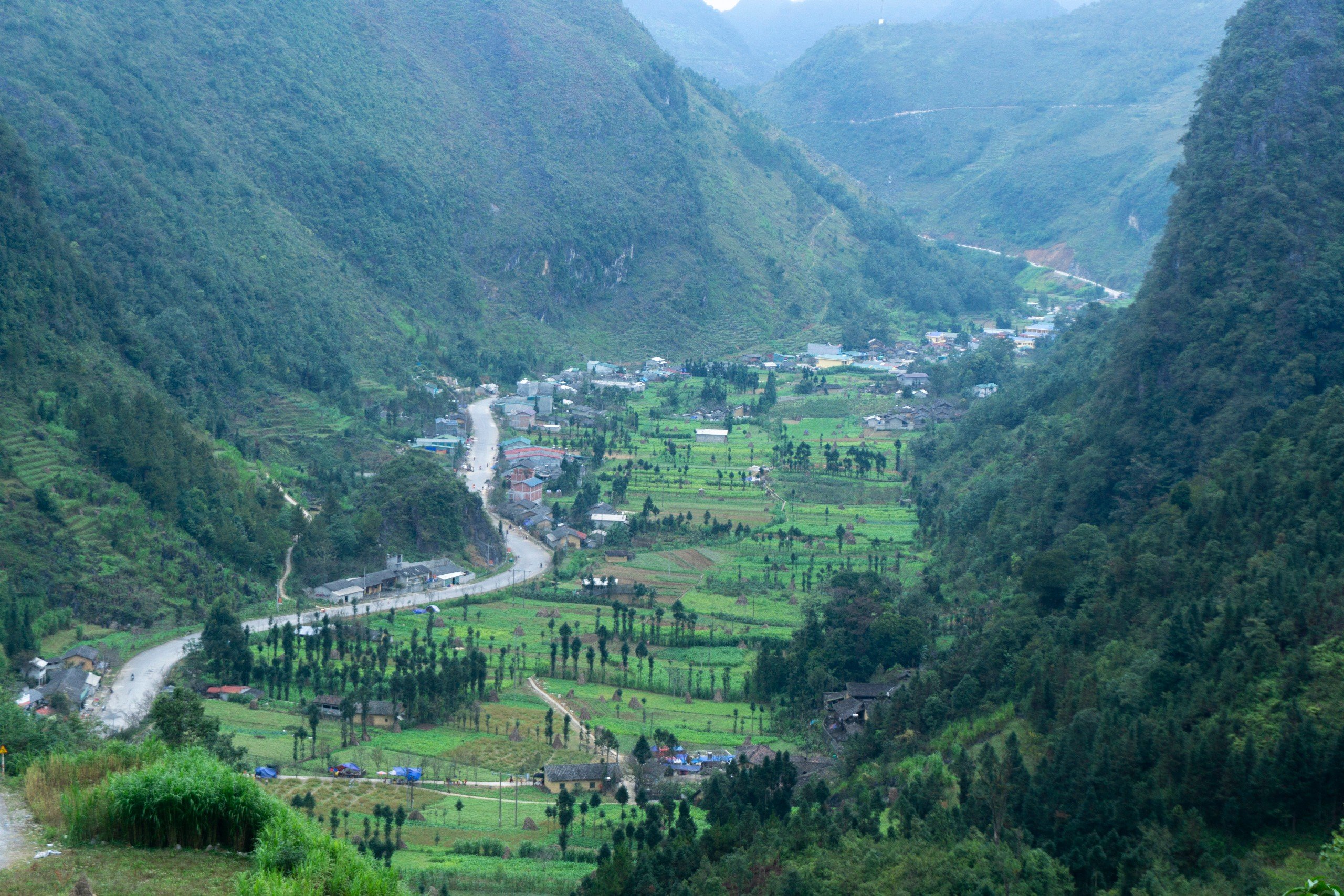
Both Ha Giang’s Dong Van Karst Plateau and Non Nuoc Cao Bang are UNESCO Global Geoparks, but the landscapes do not feel identical. Ha Giang is dominated by high limestone mountains, deep valleys, and dramatic passes, while Cao Bang adds wider valleys, waterfalls, caves, and another network of remote border roads.
If you continue further south from Cao Bang, you can also add Ba Be Lake.
That is where the difference between five, six, and seven days becomes important.
Ha Giang and Cao Bang: 5 vs. 6 vs. 7 Days
| 5 Days | 6 Days | 7 Days | |
|---|---|---|---|
| Main route | Ha Giang + Cao Bang | Ha Giang + Cao Bang + Ba Be | Ha Giang + Cao Bang + Ba Be |
| Start | Ha Giang | Ha Giang | Ha Giang |
| Finish | Cao Bang | Ba Be | Ha Giang |
| Ban Gioc Waterfall | Yes | Yes | Yes |
| Ba Be Lake | No | Yes | Yes |
| Best for | Limited time | Full route without spending a week | Longest northern road trip |
| Pace | Active | Active | More time overall |
| Main compromise | No Ba Be | Less time around Ba Be | Requires a full week |
*The current 7-day itinerary returns toward Ha Giang on Day 7, although travelers can ask about leaving from Ba Be toward Hanoi instead.
The important point is that the 5-day route is not simply a 7-day tour with two days deleted.
The itineraries use the available time differently.
Option 1: 5 Days – Ha Giang and Cao Bang
Five days works if your priority is seeing both Ha Giang and Cao Bang without turning the trip into a full week-long expedition.
The first part follows the main Ha Giang mountain route through Quan Ba, Dong Van, Lung Cu, Ma Pi Leng Pass, the Nho Que River area, and Meo Vac.
From there, instead of looping back toward Ha Giang, you continue toward Bao Lac and Cao Bang.
The current 5-day route then uses the remaining time for Cao Bang itself, including areas such as Thang Hen Lake, Nui Thung Mountain, Phong Nam, Khuoi Ky Village, Ban Gioc Waterfall, and Nguom Ngao Cave.
The trip finishes in Cao Bang City rather than returning to Ha Giang.
That last point matters.
You are travelling from A to B, not completing a circle back to your starting point.
From Cao Bang, you can continue toward Hanoi rather than spending another day riding back across the mountains.

Who Should Choose 5 Days?
Choose five days if Ha Giang and Cao Bang are the priorities and you do not particularly care about adding Ba Be Lake.
It also makes sense if the rest of your Vietnam itinerary is already busy.
Five days on mountain roads is still a substantial trip.
You will see considerably more than on a standard 3-day Ha Giang Loop, but you are not committing an entire week of your holiday to one route.
The compromise is obvious:
You do not reach Ba Be.
If Ba Be is one of the places you specifically want to see, saving one day by choosing the 5-day option does not make much sense.
Option 2: 6 Days – Ha Giang, Cao Bang and Ba Be
Six days change the structure of the journey.
You still begin with the major Ha Giang section and continue toward Cao Bang, but now the route has enough time to move beyond Cao Bang toward Ba Be Lake.
The current itinerary includes places such as Khau Coc Cha Pass, Pac Bo, Lenin Stream, Khuoi Ky Village, Ban Gioc Waterfall, and Angel Eye Mountain before continuing from Cao Bang toward Ba Be.
This is probably the most useful compromise for travelers who want the wider northern route but cannot dedicate seven full days to it.
But there is an important distinction.
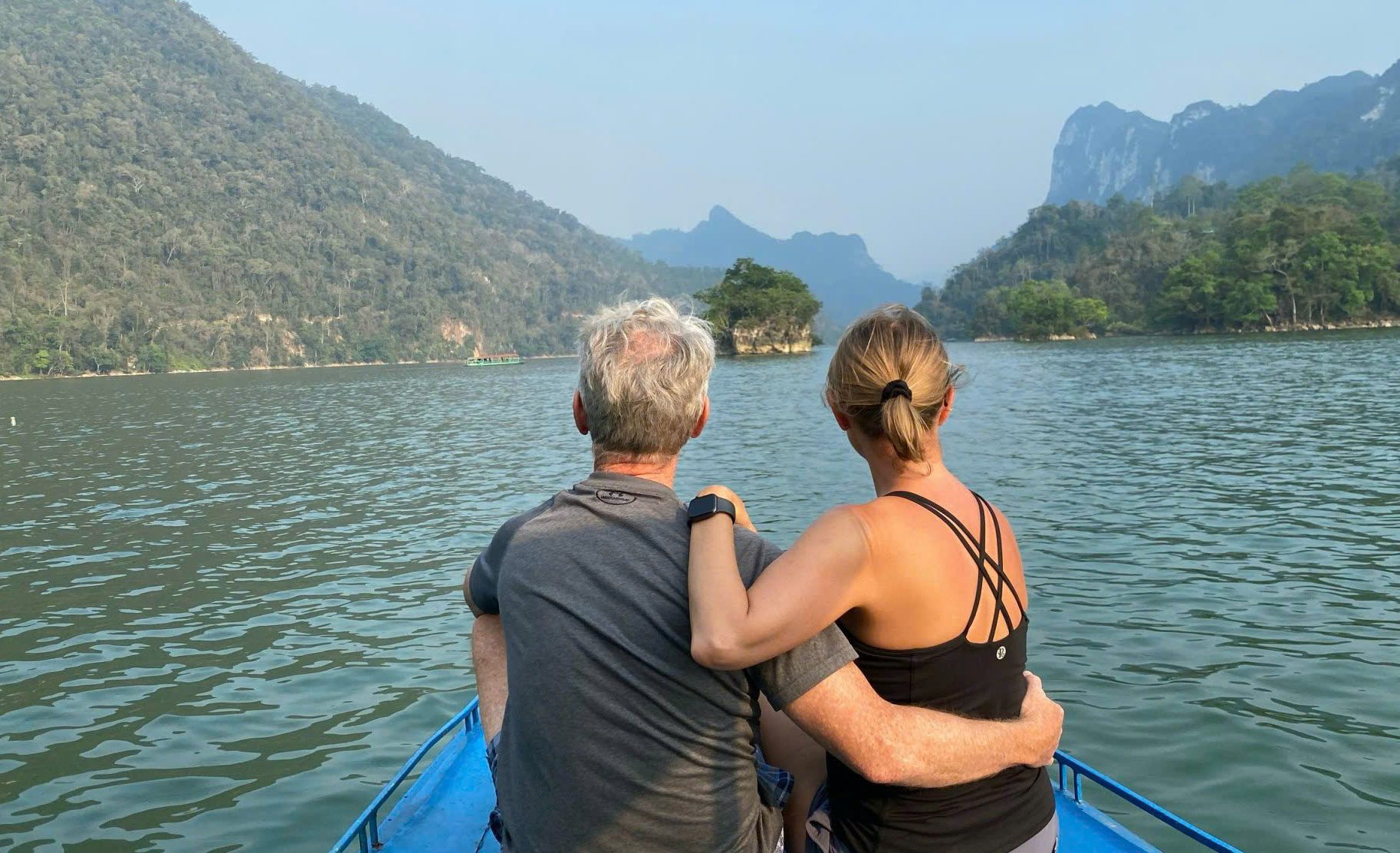
On the 6-day itinerary, Ba Be is primarily the finishing point.
You arrive around the lake on the final day and can spend some time there, but you do not get the full extra day around Ba Be that exists in the 7-day itinerary.
So do not look at the route map and assume:
“Both tours include Ba Be, so six and seven days are basically the same.”
They are not.
One reaches Ba Be.
The other gives Ba Be more space in the itinerary.
Is 6 Days Too Rushed?
Not necessarily.
But it is still an active road trip.
You are connecting three different areas of northern Vietnam over six consecutive days, and several days include substantial time on mountain roads.
That is part of the experience.
The road between the major destinations is not simply transport you endure until the next attraction.
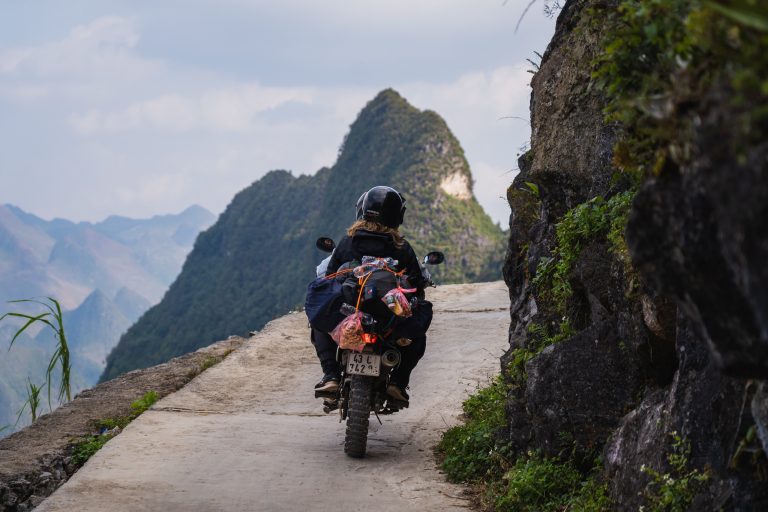
Ma Pi Leng Pass, the road toward Bao Lac, Khau Coc Cha, and the routes through Cao Bang are part of what you came to see.
But if you dislike spending several hours per day on a motorbike, adding more destinations does not automatically improve your trip.
A shorter route with more time at each stop can be better than collecting place names.
Option 3: 7 Days – The Full Northern Route
Seven days is for travelers who want the trip itself to be one of the main parts of their Vietnam itinerary.
The current 7-day route connects Ha Giang with Cao Bang, Ban Gioc, and Ba Be before using the final day to travel back through Na Hang and Bac Quang toward Ha Giang.
The biggest difference comes at Ba Be.
Day 6 is dedicated to Ba Be National Park and the lake rather than treating the area only as the end of another riding day.
You can slow down, spend time around the lake, and stay in a local homestay before traveling again the following day.
That changes the rhythm of the trip.
After several days of mountain roads, having one day without another long transfer can be valuable.
Then comes the trade-off.
Day 7 is not a rest day.
The current return route from Ba Be toward Ha Giang is approximately 240 km, making it one of the longer travel days of the itinerary.
So seven days does not mean seven relaxed days.
It means you have enough time to build a much larger northern Vietnam route.
Is 7 Days Better Than 6?
Only if the extra day gives you something you actually want.
If Ba Be is important to you, the seventh day makes the overall route more complete because you are not simply arriving at the lake and finishing.
If you mainly care about Ha Giang, Ban Gioc, and the mountain roads between them, six days may already be enough.
And if you are trying to squeeze a seven-day loop between Hanoi, Ha Long Bay, Sapa, Ninh Binh, and a flight to central Vietnam, forcing another destination into your itinerary may make the whole trip worse.
Do not choose seven days because seven sounds more complete.
Choose it because you want a week-long northern road trip.
What About the 5-Day Route?
The same logic works in the opposite direction.
Five days is not the inferior version.
It simply has a different endpoint.
Instead of extending south toward Ba Be, you finish in Cao Bang after Ban Gioc and Nguom Ngao Cave.
That can actually be useful if your next destination is Hanoi.
You avoid using another day purely because you feel obligated to include Ba Be.
For some travelers, Ha Giang → Cao Bang → Hanoi is the cleaner itinerary.
Which Route Has the Most Variety?
The 7-day route has the broadest geographical range.
You move from the limestone plateau of Ha Giang through remote border roads into Cao Bang and eventually toward the forests and lake landscape around Ba Be.
But the 5-day itinerary actually spends more of its limited time exploring Cao Bang itself.
Its current route includes Thang Hen Lake, Nui Thung Mountain, and Phong Nam before reaching the Ban Gioc area.
The 6-day itinerary takes another approach, including Pac Bo and Khau Coc Cha before moving onward toward Ba Be.
So again, do not judge the routes only by their length.
Read the itinerary.
Two extra days can change where you travel rather than simply adding more time to exactly the same places.
Easy Rider or Self-Drive for a Longer Loop?
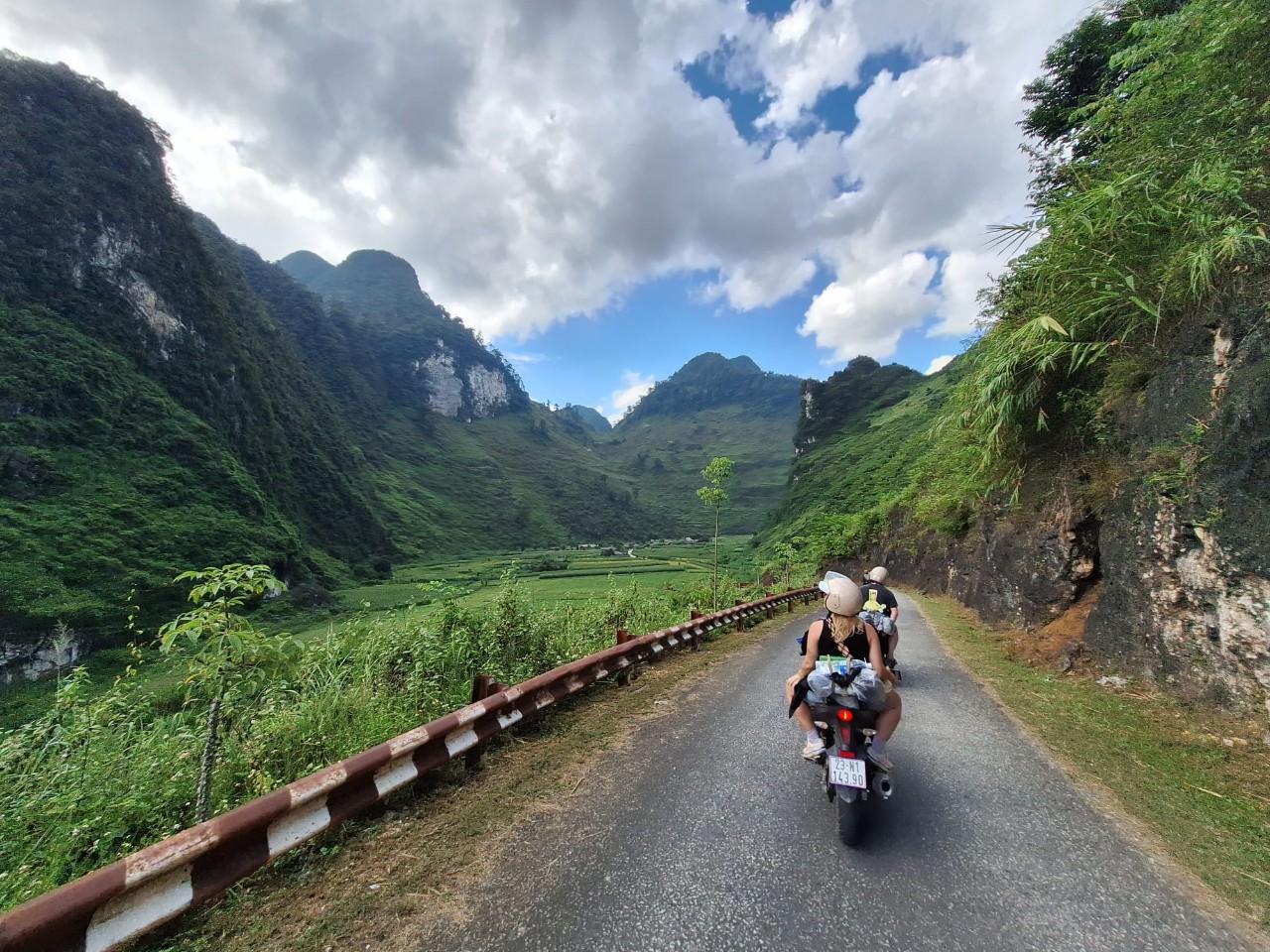
A 5-, 6- or 7-day Big Loop is substantially more demanding than riding around Ha Giang for a single day.
You are dealing with long mountain roads, repeated curves, changing weather, and several consecutive riding days.
If you are not legally qualified and genuinely comfortable riding a motorbike in those conditions, choose an Easy Rider.
The question is not whether you could physically operate a motorbike.
It is whether you want to spend almost a week concentrating on riding through unfamiliar mountain roads.
With an Easy Rider, you can focus much more on the landscape rather than the road immediately in front of you.
Experienced riders may prefer to self-drive, but this is not the route on which to learn.
Do You Need to Return to Ha Giang?
Not always.
This is another reason to choose your duration based on the whole Vietnam itinerary rather than only the attractions.
The 5-day route finishes in Cao Bang, where you can continue toward Hanoi.
The 6-day route finishes at Ba Be, with onward travel arranged from there.
The standard 7-day itinerary returns toward Ha Giang, although an alternative departure from the Ba Be area toward Hanoi may be possible depending on your plans.
That means your next destination can affect which route is most efficient.
If you are traveling back to Hanoi immediately afterwards, ask about the final transfer before booking.
Do not assume every Big Loop ends where it started.
So, How Many Days Should You Choose?
If you only want the shortest answer:
Choose 5 days if you want Ha Giang and Cao Bang, including Ban Gioc, but do not need Ba Be.
Choose 6 days if you want to connect Ha Giang, Cao Bang, and Ba Be without spending a full week on the route.
Choose 7 days if the northern road trip itself is a major part of your Vietnam trip and you want more time around Ba Be before continuing.
For most people, the decision comes down to one question:
Do you want to include Ba Be, and if you do, do you want to actually spend time there?
Once you answer that, choosing between five, six, and seven days becomes much easier.
FAQ
Is 5 days enough for Ha Giang and Cao Bang?
Yes. Five days is enough to combine the main Ha Giang mountain route with Cao Bang and Ban Gioc Waterfall. The current 5-day itinerary finishes in Cao Bang rather than continuing to Ba Be.
Can you combine Ha Giang and Cao Bang in 4 days?
It is technically possible to move between the areas faster, but we would not recommend building a tour around trying to cover both properly in four days. The distances and mountain roads make five days a much more practical starting point.
Is 6 days enough for Ha Giang, Cao Bang and Ba Be?
Yes. Six days allow you to connect all three areas. It is still an active itinerary, and Ba Be comes at the end of the route rather than receiving a full dedicated day.
What is the difference between the 6-day and 7-day Big Loop?
Both include Ha Giang, Cao Bang, and Ba Be. The 7-day route adds more time around Ba Be and another travel day, while the 6-day route finishes at Ba Be after a more compact itinerary.
Does the 5-day Big Loop include Ban Gioc Waterfall?
Yes. The current 5-day itinerary includes Ban Gioc Waterfall and Nguom Ngao Cave before finishing in Cao Bang City.
Does the 5-day Big Loop include Ba Be Lake?
No. If Ba Be is important to you, choose the 6- or 7-day route.
Which route is best if I need to return to Hanoi?
The 5-day route finishes in Cao Bang, which allows you to continue toward Hanoi from there. The 6-day route ends around Ba Be, while the standard 7-day route continues back toward Ha Giang. Check your onward transport before choosing the tour.
Is the Big Loop difficult?
It is a long mountain road trip rather than a physically difficult trek, but several consecutive riding days can be tiring. Expect curves, changing weather, and long periods on the road.
Should I use an Easy Rider?
If you are not an experienced, properly licensed rider, yes. An Easy Rider is also worth considering simply because a 5–7-day mountain route requires sustained concentration if you drive yourself.
Is 7 days too long for the Ha Giang and Cao Bang Loop?
Not if the road trip is one of the main parts of your Vietnam itinerary. If you are trying to see many other parts of Vietnam in a short trip, seven days may be more time than you want to dedicate to one region.
Can the itinerary change because of weather or road conditions?
Yes. Northern Vietnam is mountainous, and weather, road conditions, or local circumstances can affect the exact route and timing. Treat the published itinerary as the planned route rather than a guarantee that every stop will happen at an exact hour.