Ha Giang and Sapa are two of the most popular mountain destinations in northern Vietnam. Both offer impressive scenery, ethnic minority villages, and a chance to escape the busy streets of Hanoi.
However, the experiences are very different.
Sapa is best known for trekking, rice terraces and easy access by bus or train. The Ha Giang Loop is a multi-day road trip through remote mountain passes, valleys and small villages.
If your itinerary only allows time for one destination, choosing between the Ha Giang Loop and Sapa can be difficult.
This guide compares the scenery, activities, accessibility, culture, accommodation, and overall travel experience to help you decide which destination is better for your trip.
Ha Giang Loop and Sapa at a Glance
The simplest way to understand the difference is to look at the main experience offered by each destination.
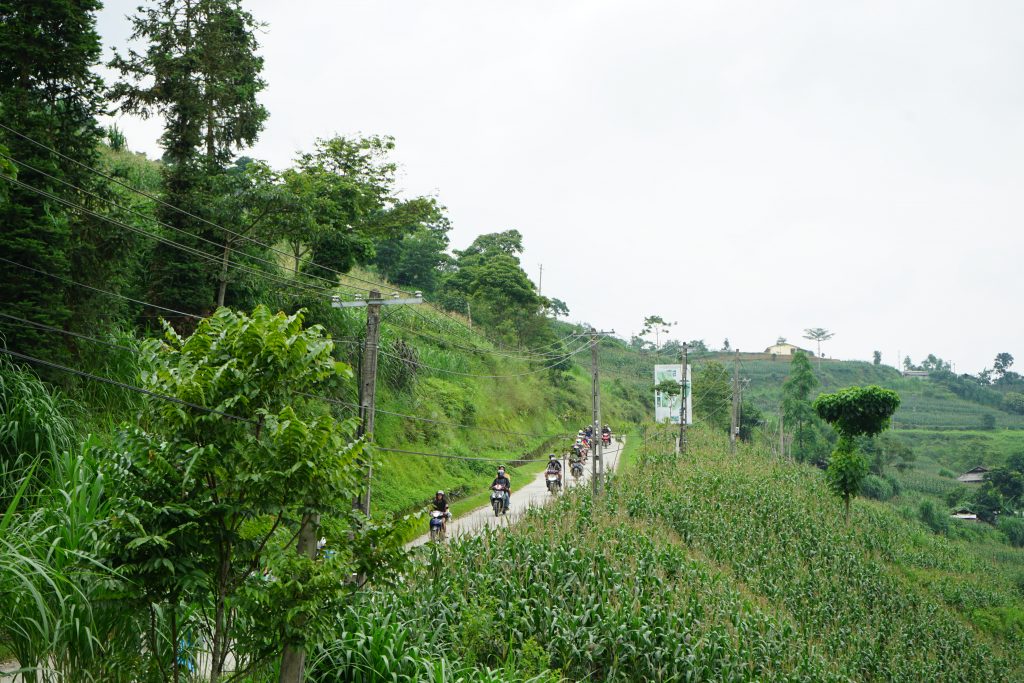
The Ha Giang Loop is primarily a road trip. Travelers move through the province by motorbike or car, stopping at mountain viewpoints, villages and local attractions.
Sapa is primarily a trekking destination. Most visitors stay in Sapa Town and take day trips or multi-day hikes through nearby valleys and villages.
Both destinations are mountainous, but they suit different types of travellers.
Choose Ha Giang if you want:
- a multi-day road adventure,
- dramatic mountain passes,
- remote landscapes,
- constantly changing scenery,
- small group or private tours,
- a more adventurous experience.
Choose Sapa if you want:
- trekking and hiking,
- rice terraces,
- easier travel connections,
- a wider selection of hotels,
- cafés and restaurants,
- a shorter and more flexible trip.
Which Destination Has Better Scenery?
Both areas are beautiful, but the landscapes are not the same.
Ha Giang Scenery
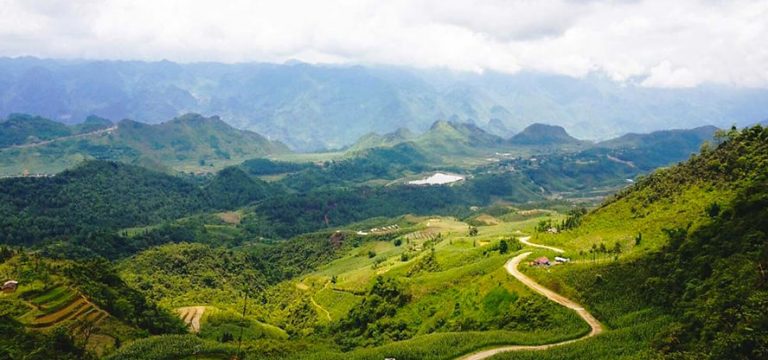
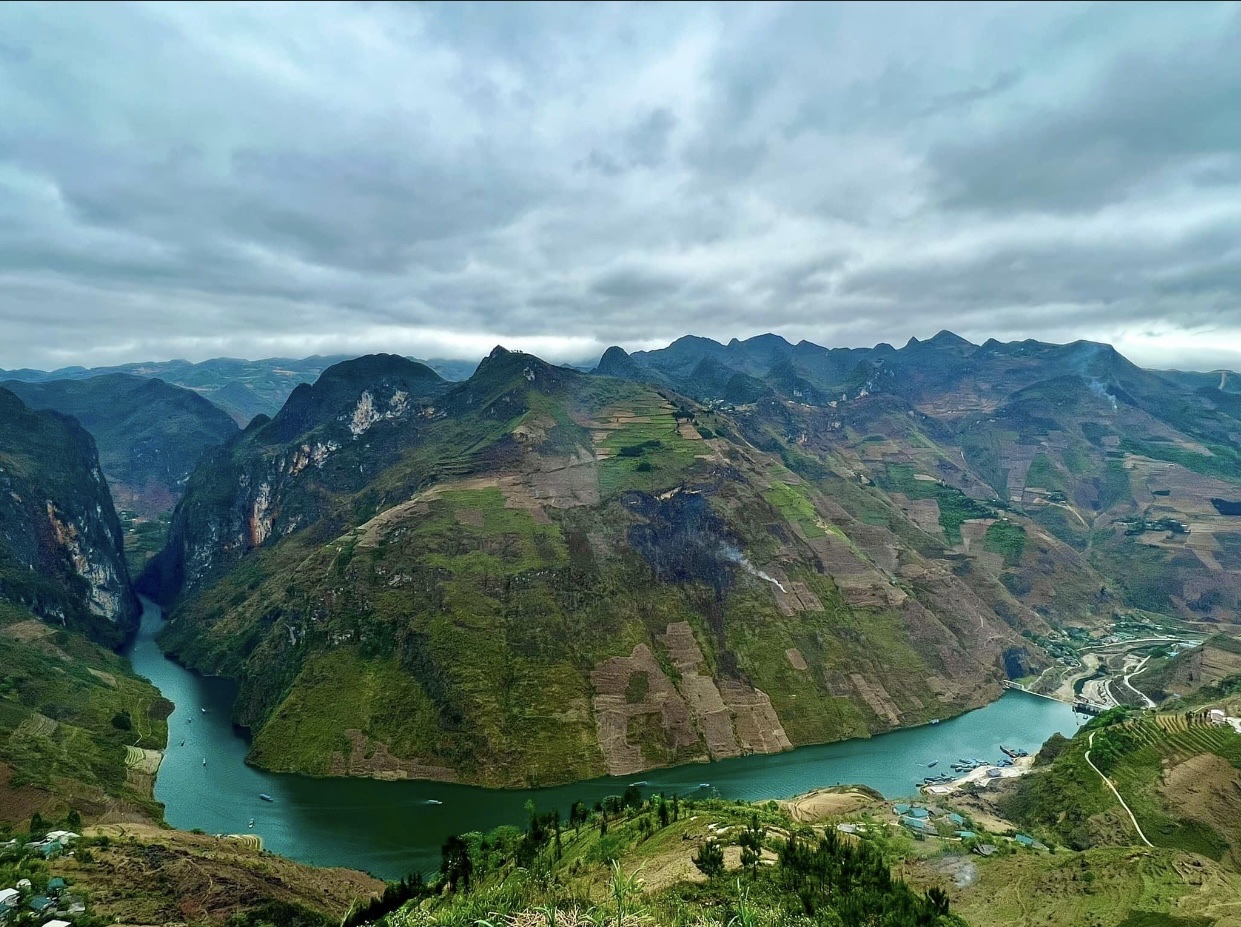
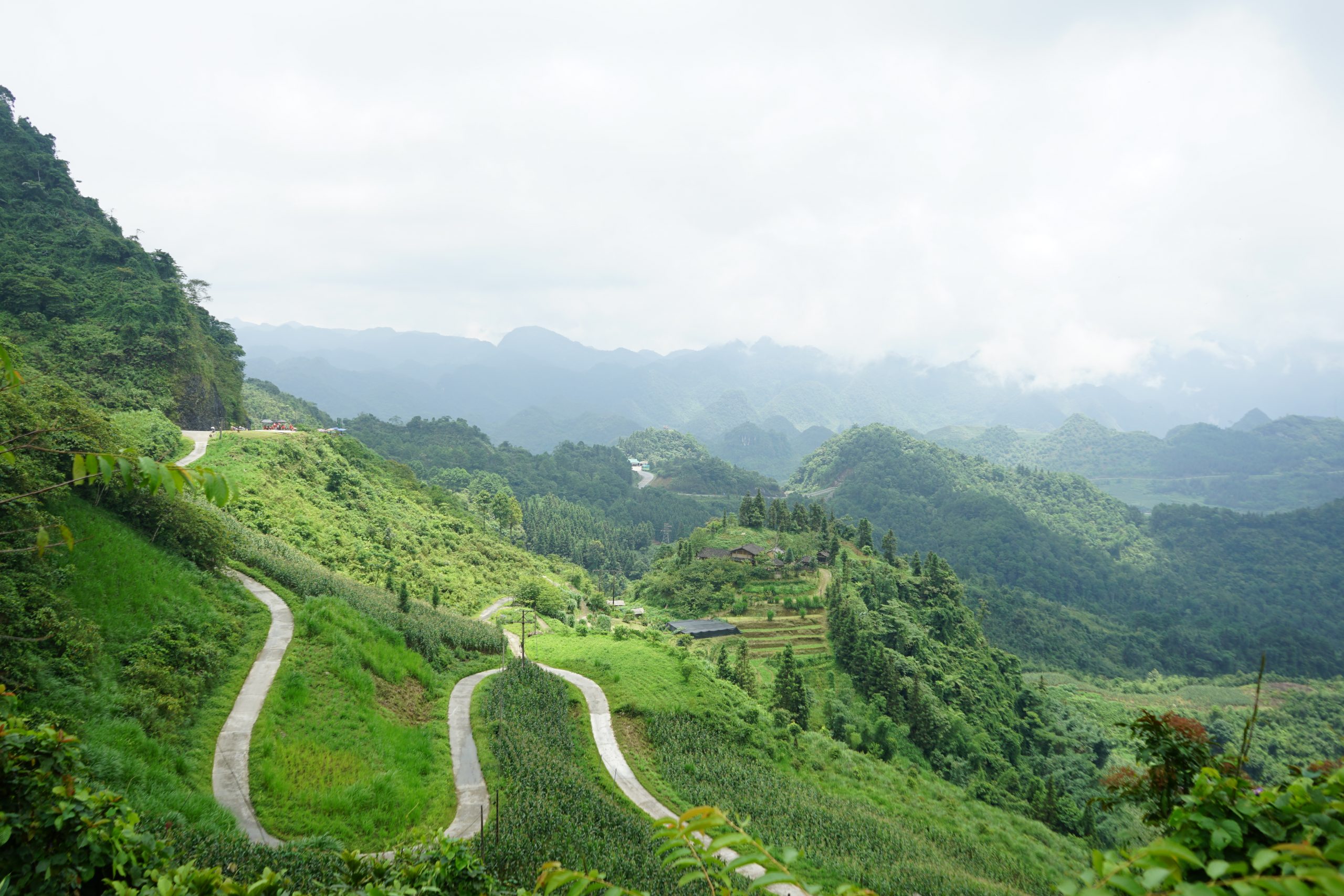
Ha Giang is famous for towering limestone mountains, deep valleys and winding roads carved into steep hillsides.
Some of the most impressive landscapes include:
- Ma Pi Leng Pass,
- the Dong Van Karst Plateau,
- the Nho Que River,
- mountain roads around Yen Minh,
- valleys near Du Gia,
- traditional villages surrounded by farmland.
The scenery changes throughout the journey. One moment you may be riding through a narrow valley, and the next you are looking down from a high mountain pass.
The scale of the landscape is one of the main reasons people describe the Ha Giang Loop as one of the most memorable experiences in Vietnam.
Sapa Scenery
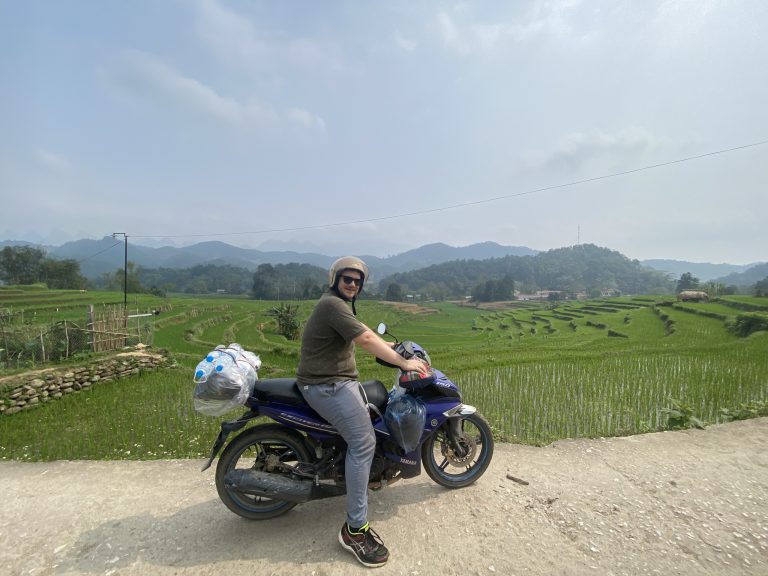
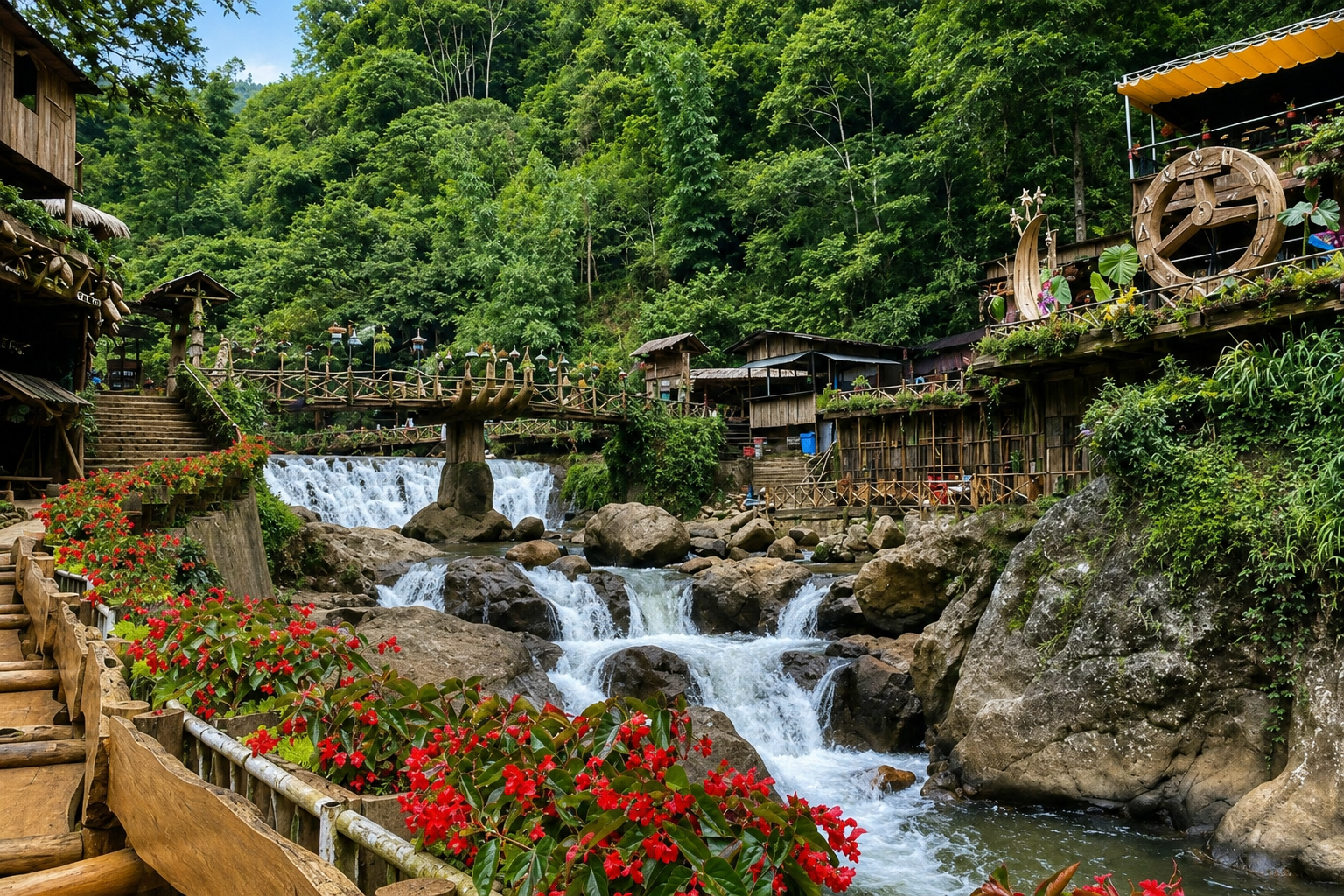
Sapa is known for green rice terraces, misty mountains, and villages spread across valleys.
Popular scenic areas include:
- Muong Hoa Valley,
- Lao Chai,
- Ta Van,
- Cat Cat Village,
- Fansipan,
- the mountain roads around O Quy Ho Pass.
The terraces are especially impressive during the planting and harvest seasons.
Sapa often feels softer and greener than Ha Giang, while Ha Giang feels larger, more rugged and dramatic.
Which One Wins?
Choose Ha Giang for mountain passes, limestone peaks and panoramic road views.
Choose Sapa for rice terraces, valley walks and classic northern Vietnamese countryside.
Trekking and Outdoor Activities
Sapa is the stronger destination for trekking.
Visitors can choose from:
- short village walks,
- full-day hikes,
- multi-day trekking tours,
- homestay experiences,
- guided routes through rice terraces.
Many trails begin close to Sapa Town or can be reached with a short transfer.
Ha Giang also offers hiking opportunities, but trekking is not usually the main focus of the Loop. Most travelers spend several hours each day moving between destinations by motorbike or car.
There are opportunities to walk around villages, viewpoints and waterfalls, but the experience is more focused on the journey itself.
For serious hiking, Sapa is usually the better choice.
For a road-based adventure with shorter walks, choose Ha Giang.
Motorbike Experience
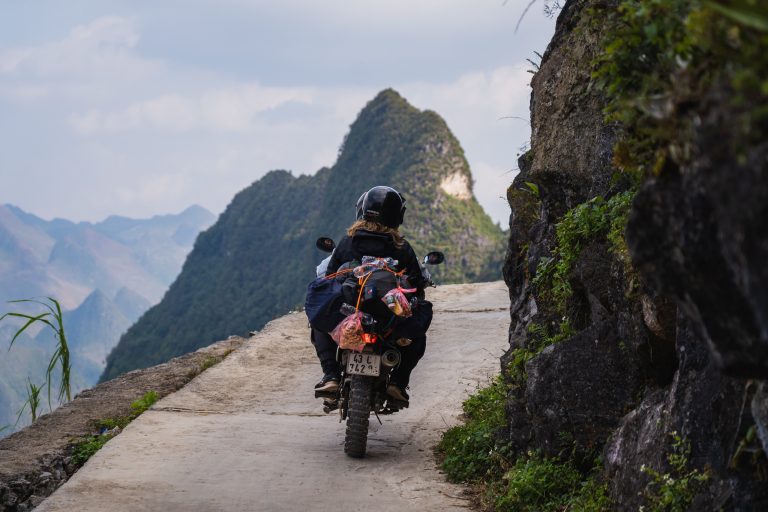
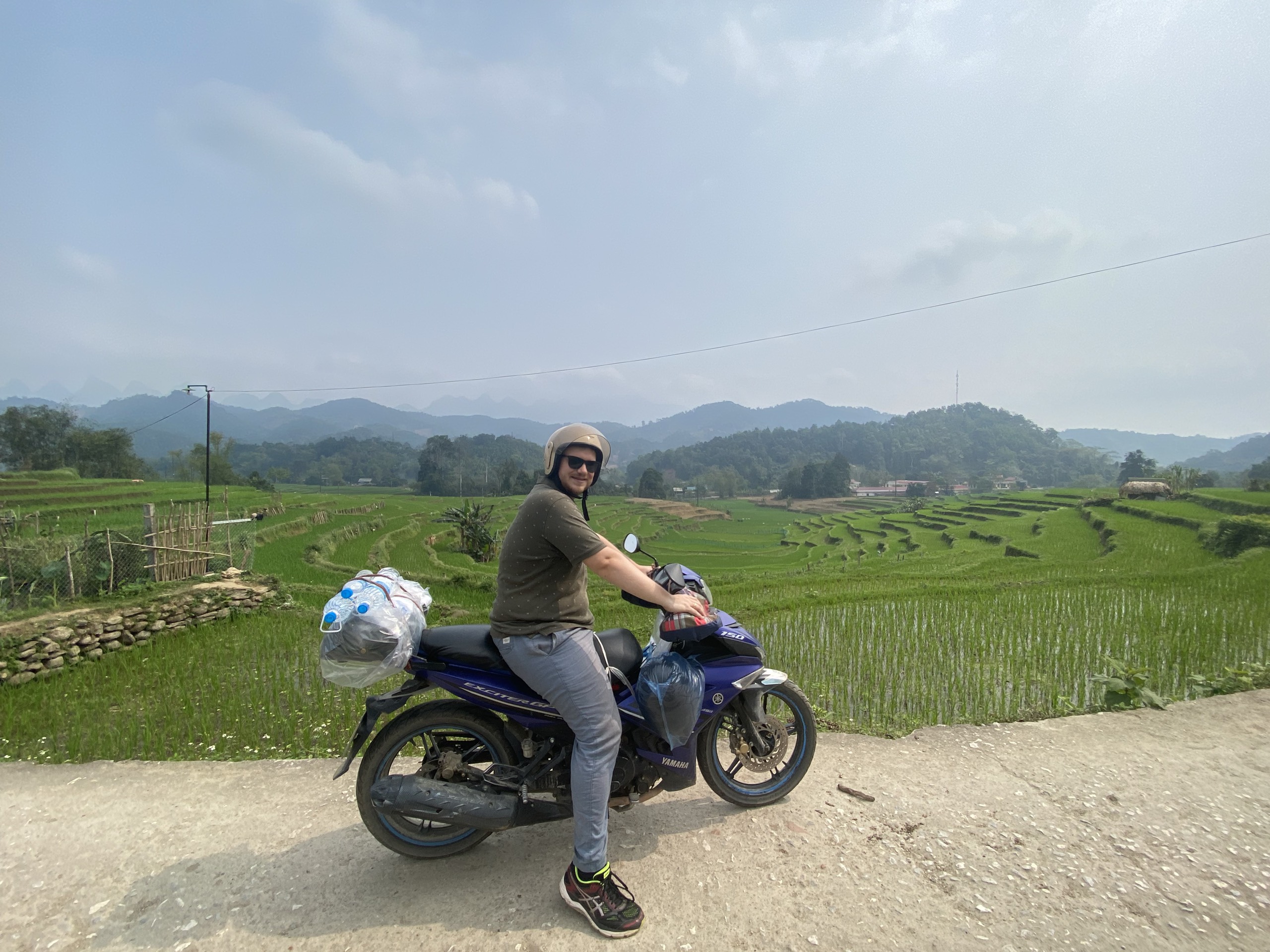
The Ha Giang Loop is one of Vietnam’s most famous motorbike routes.
Travelers can either:
- ride independently,
- join a self-driving group,
- travel with an Easy Rider,
- take a private car tour.
An Easy Rider is a local driver who operates the motorbike while the traveler sits behind as a passenger.
This is a popular option for visitors who do not have enough riding experience or who prefer to enjoy the scenery without concentrating on the road.
Sapa also has mountain roads, but most visitors do not complete a structured multi-day motorbike route. They usually explore the area by trekking, taxi, minivan or cable car.
If riding through mountain scenery is your priority, Ha Giang is the clear choice.
Cultural Experiences
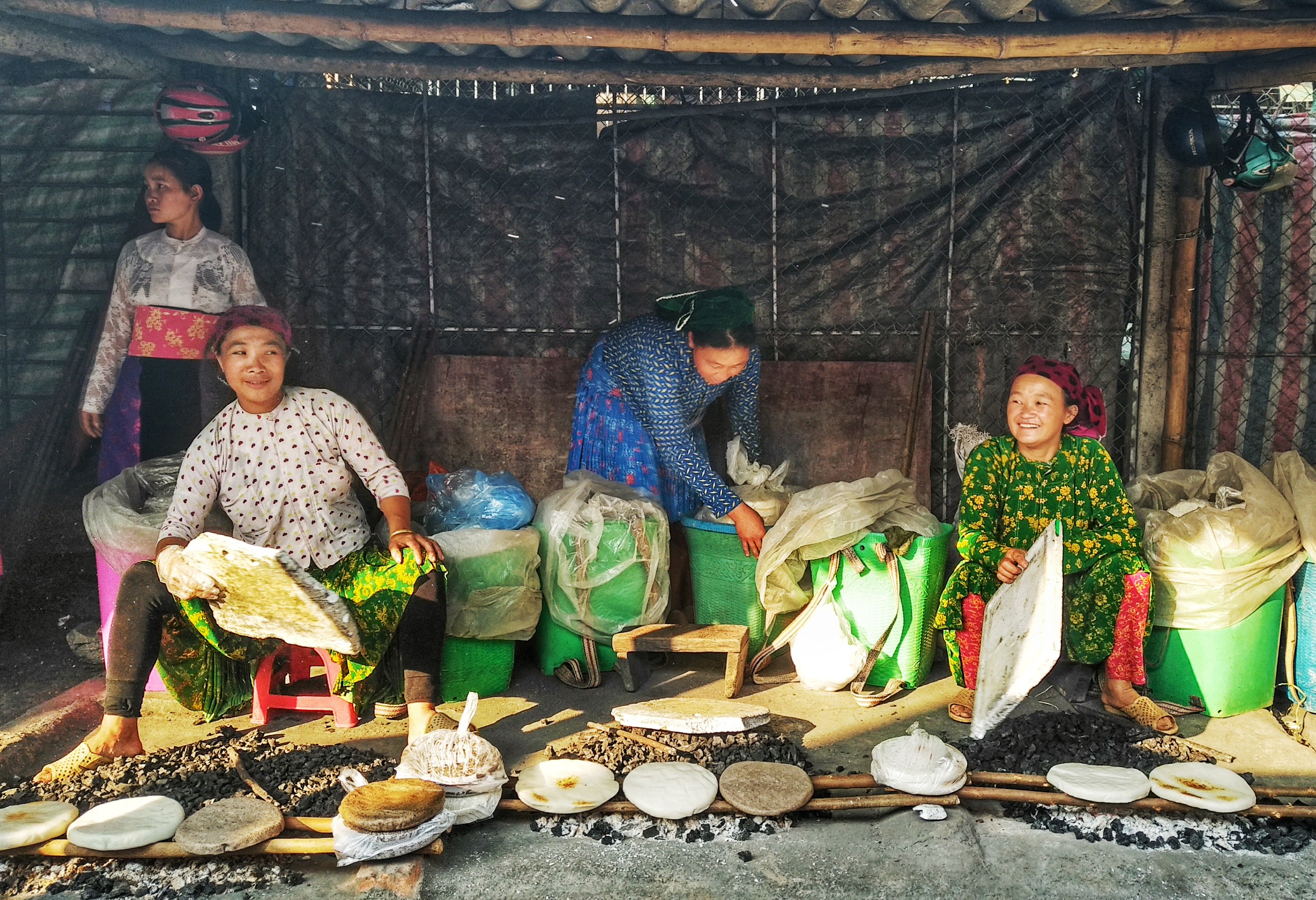
Both Ha Giang and Sapa are home to several ethnic minority communities.
You may encounter groups including the Hmong, Dao, Tay, Giay and Lo Lo, depending on the area you visit.
Culture in Ha Giang
The Ha Giang Loop passes through many small villages and rural districts.
Travelers often stay in locally owned homestays, eat family-style meals and visit traditional markets.
Because the route covers a large area, you can experience different landscapes, architecture and local communities during a single trip.
Some villages remain relatively remote, although tourism is growing quickly throughout the province.
Culture in Sapa
Sapa also offers access to ethnic minority villages and guided cultural tours.
However, some locations close to Sapa Town receive large numbers of visitors and may feel more commercial.
Villages farther from the town can provide quieter and more personal experiences, especially during multi-day trekking tours.
Both destinations offer valuable cultural experiences, but the quality depends heavily on the tour, guide and itinerary you choose.
Crowds and Tourism Development
Sapa has been a major tourist destination for many years.
The town contains:
- large hotels,
- restaurants,
- cafés,
- massage shops,
- souvenir stores,
- tour offices,
- modern transport services.
This makes Sapa convenient, but it can also feel busy and commercial, especially during weekends and holidays.
Ha Giang has also become much more popular, particularly among international backpackers.
Popular viewpoints and hostels can be busy, but the route covers a much larger area. Once you leave the main stops, the landscape can still feel remote.
Ha Giang usually offers a greater sense of movement and exploration, while Sapa provides a more developed tourism base.
Accommodation
Sapa offers a broader range of accommodation.
Options include:
- budget hostels,
- homestays,
- boutique hotels,
- luxury resorts,
- mountain lodges,
- international-style hotels.
This makes Sapa a good option for travelers who want more comfort or a particular hotel standard.
Accommodation on the Ha Giang Loop is usually simpler.
Typical options include:
- local homestays,
- guesthouses,
- hostels,
- small hotels,
- private rooms in rural towns.
Comfortable private rooms are available, but the selection is more limited than in Sapa.
If luxury accommodation is important, Sapa may be more suitable.
If you are comfortable with simple local accommodation, Ha Giang offers an excellent experience.
Food and Restaurants
Sapa Town has a large selection of restaurants.
You can find:
- Vietnamese food,
- local specialities,
- Western meals,
- cafés,
- vegetarian restaurants,
- bakeries,
- bars.
This variety is useful for travelers with specific dietary preferences.
On the Ha Giang Loop, meals are often arranged by the tour operator or served at homestays and local restaurants.
The food is usually simple and filling, with dishes such as:
- rice,
- noodles,
- vegetables,
- tofu,
- pork,
- chicken,
- soup,
- shared family-style meals.
The Loop offers a more local dining experience, while Sapa provides more variety.
Getting There from Hanoi
Sapa is generally easier to reach.
Travelers can use:
- sleeper buses,
- limousine vans,
- private cars,
- trains to Lao Cai followed by a transfer,
- direct highway connections.
The journey is straightforward, and many services operate every day.
Ha Giang does not have a railway station.
Most travelers take a sleeper bus, cabin bus, limousine van or private car from Hanoi to Ha Giang City.
The road journey usually requires more planning, especially when coordinating an overnight bus with the start of a tour.
Both destinations are accessible, but Sapa has more transport options.
How Much Time Do You Need?
Sapa works well for shorter trips.
A basic itinerary may include:
- two days and one night,
- three days and two nights,
- a day trip combined with Fansipan,
- a trekking tour with one homestay night.
The Ha Giang Loop normally requires at least two days, although three or four days provide a better experience.
A typical Ha Giang trip also includes travel time between Hanoi and Ha Giang City.
For a short northern Vietnam itinerary, Sapa may be easier to fit in.
If you have at least three or four days available, Ha Giang becomes a strong option.
Weather and Visibility
Mountain weather affects both destinations.
Fog, rain and low clouds can reduce visibility.
Sapa is famous for misty conditions, especially during winter. Some travelers arrive and find the mountain views completely hidden by clouds.
Ha Giang can also experience fog and rain, particularly on high passes.
However, because the Loop covers a larger area, weather conditions may change as you move between valleys and districts.
Always prepare for:
- rain,
- cooler temperatures,
- strong sun,
- wind,
- sudden changes in visibility.
Ha Giang Loop vs. Sapa Cost
The total cost depends on your travel style.
Sapa can be relatively affordable if you use a sleeper bus, stay in a hostel and arrange your own day hikes.
However, luxury hotels, private trekking tours, and the Fansipan cable car can increase the budget.
The Ha Giang Loop usually involves a packaged tour or several combined expenses, including:
- transport,
- motorbike or car,
- guide,
- accommodation,
- meals,
- fuel,
- entrance fees.
The initial price may look higher, but many organized tours include most daily expenses.
Compare the full list of inclusions rather than only the advertised price.
Which Is Better for Solo Travelers?
Both destinations are suitable for solo travellers.
Sapa is easy to explore independently. You can stay in a hostel, join a trekking group or book day tours after arrival.
Ha Giang is highly social when experienced as part of a small group tour. Travelers spend several days together, share meals and stay in the same accommodation.
Solo visitors often find it easy to meet people on the Loop.
Choose Sapa for more independence and flexibility.
Choose Ha Giang for a structured group adventure.
Which Is Better for Couples?
Couples may enjoy both destinations for different reasons.
Sapa offers:
- comfortable hotels,
- scenic restaurants,
- relaxed evenings,
- private trekking tours,
- luxury accommodation.
Ha Giang offers:
- shared adventure,
- dramatic viewpoints,
- private Easy Rider tours,
- scenic road travel,
- memorable homestays.
Couples looking for comfort may prefer Sapa.
Couples looking for adventure may prefer Ha Giang.
Which Is Better for Families?
Sapa is usually easier for families with young children.
The town has more hotels, restaurants, and transport options. Families can adjust the schedule easily and choose short activities.
The Ha Giang Loop may still suit families, especially through a private car tour, but long motorbike days are not ideal for every child.
A private itinerary allows the schedule to be adapted to the family’s needs.
Can You Visit Both?
Yes.
If your itinerary allows enough time, visiting both destinations gives you two very different northern Vietnam experiences.
A combined trip may include:
- Sapa for trekking and rice terraces,
- Ha Giang for the mountain road journey,
- transport through Hanoi or another northern route.
You should usually allow at least six or seven days for both, excluding additional time in Hanoi.
Trying to combine them in only a few days can make the trip exhausting.
Ha Giang Loop vs. Sapa: Which Should You Choose?
Choose the Ha Giang Loop if:
- you want a multi-day adventure,
- you enjoy road trips,
- you want dramatic mountain scenery,
- you prefer remote areas,
- you are comfortable with simple accommodation,
- you want to join a social group tour.
Choose Sapa if:
- trekking is your priority,
- you want to see rice terraces,
- you prefer more hotel and restaurant choices,
- you have limited time,
- you want easier transport,
- you value comfort and flexibility.
Final Thoughts
There is no universal winner in the Ha Giang Loop vs. Sapa comparison.
The Ha Giang Loop offers a more adventurous and constantly changing journey through some of Vietnam’s most dramatic mountain landscapes.
Sapa provides excellent trekking, famous rice terraces, and a convenient tourism base with more accommodation and dining options.
For travelers seeking a true road adventure, Ha Giang is usually the stronger choice.
For visitors who prefer hiking, comfortable hotels, and a shorter mountain escape, Sapa may be more suitable.
The right destination depends on how much time you have, how active you want to be, and whether your ideal trip involves hiking through valleys or traveling across mountain passes.