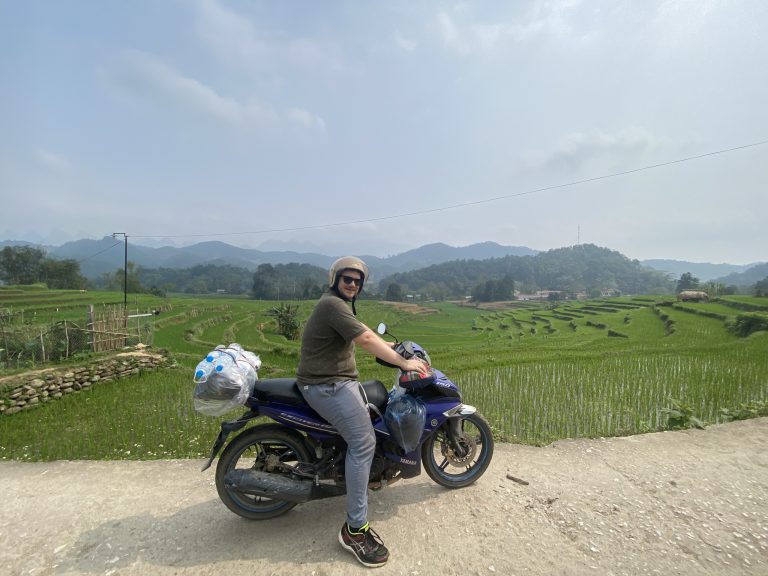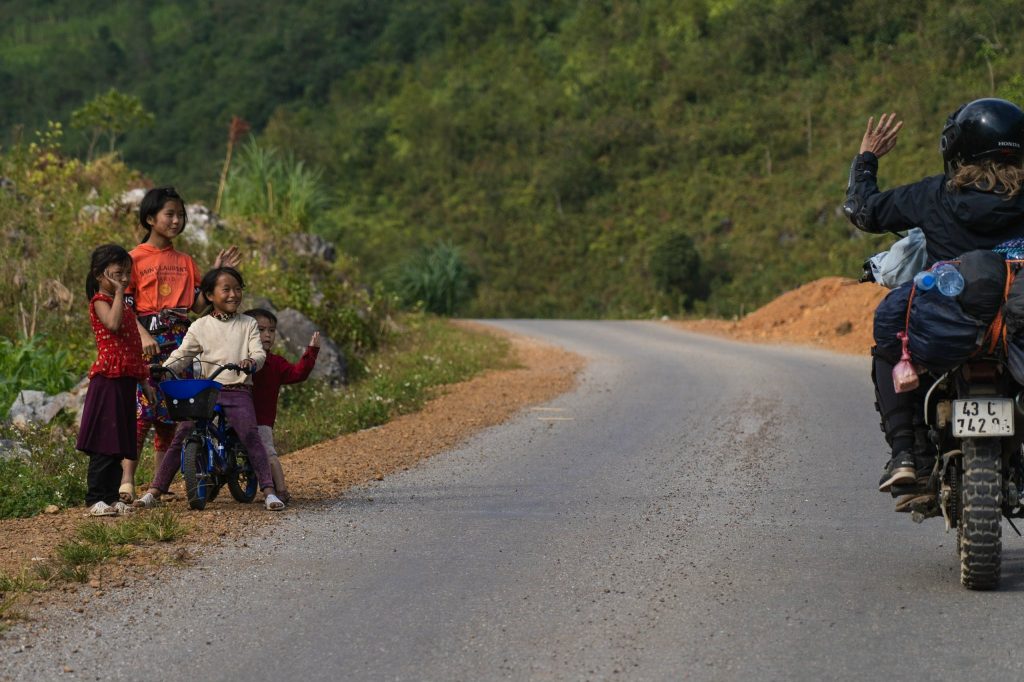
The Ha Giang Loop is one of the most memorable road trips in northern Vietnam. It takes you through mountain passes, small villages, river valleys, limestone landscapes, and remote roads close to the Chinese border.
But before you start the loop, it is important to understand a few practical things. Ha Giang is beautiful, but it is also mountainous, rural, and very different from traveling between big cities in Vietnam. The route involves long riding days, changing weather, local homestays, and limited space on the motorbike.
This guide explains what you should know before your Ha Giang Loop tour: how much luggage to bring, what to pack, how transport from Hanoi works, whether you can ride yourself, how many days to plan, how to pay, and what to expect from food and accommodation.
How Much Luggage Can You Bring on the Bike?
For the Ha Giang Loop, you should only bring a small backpack with the things you need for the riding days.
A small backpack is usually enough for a 2-day, 3-day, or 4-day loop. You do not need to bring your full suitcase or large travel backpack on the motorbike. Space is limited, and carrying too much luggage makes the ride less comfortable.
If you have big luggage, extra clothes, or anything you do not need during the tour, you can leave it at the Ha Giang office or hostel during the trip. This makes the loop easier and safer, especially on mountain roads.
A good rule is simple: bring only what you will actually use during the tour.
What Should You Bring on the Ha Giang Loop?
The weather in Ha Giang can change quickly. You may have sun, wind, fog, rain, and cool mountain air on the same trip. Because of this, packing light but smart is important.
Bring these essentials:
- Comfortable clothes for riding
- A light sweater or jacket
- Rain protection if available
- Sunscreen
- Mosquito spray
- Swimsuit
- Passport or ID
- Closed shoes
- Basic personal medication
- A small amount of cash
- Phone charger or power bank
Closed shoes are strongly recommended because the roads can be dusty, wet, or uneven. A light sweater is also useful because the mountains can feel cool, especially in the morning or evening.
You do not need to pack too much. Most travelers only need a small backpack for the loop.
How Does the Bus from Hanoi to Ha Giang Work?
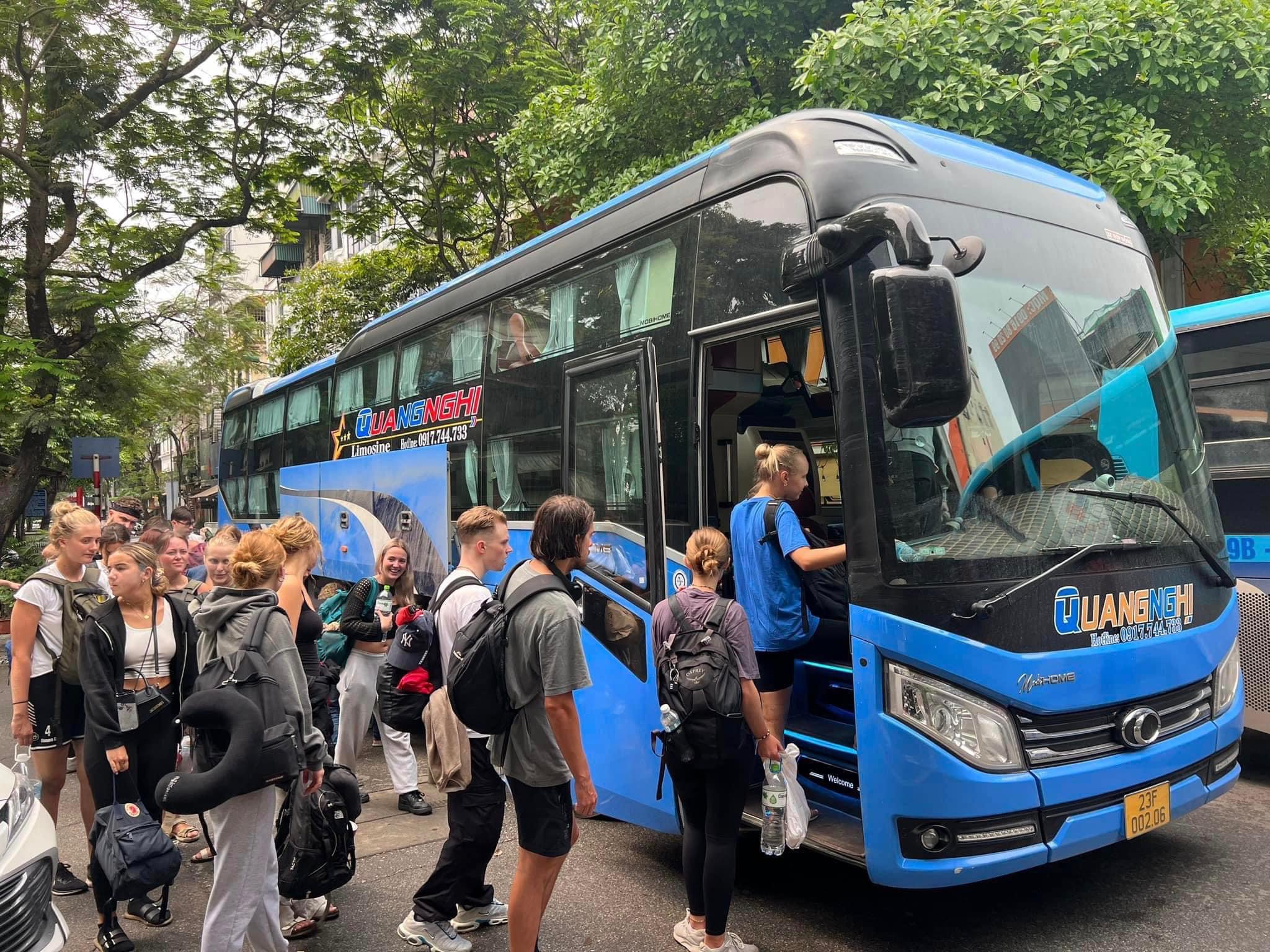
Many travelers start their Ha Giang trip from Hanoi. The common option is to take a night bus or VIP cabin bus from Hanoi to Ha Giang.
A VIP cabin bus usually gives you a private sleeping space, which is more comfortable than a regular sleeper bus. This is useful because the journey is long, and most travelers want to rest before starting the loop.
If you book transport support through the team, they can help explain the pickup point, departure time and arrival details before you travel.
Where Is the Pickup Point in Hanoi?
The Hanoi pickup point is usually around the Old Quarter area.
The current pickup point used by Ha Giang Road Trip is:
06 Hang Muoi, Hoan Kiem, Hanoi Old Quarter
The pickup time listed in the existing information is around:
7:30 PM
Before traveling, confirm your exact pickup details with the team. Bus schedules and pickup arrangements can change depending on the operator, date, and availability.
How Does the Return Bus from Ha Giang to Hanoi Work?
After the loop finishes, travelers usually return from Ha Giang to Hanoi by limousine van or bus.
The current information states that the return transfer can use a limousine van with 9–16 seats. Pickup is from the hostel or Ha Giang base after the tour finishes.
The listed departure time from Ha Giang is around:
4:00 PM
The arrival time in Hanoi Old Quarter is usually around:
10:30 PM – 11:00 PM
This timing can depend on traffic, weather, and road conditions, so you should not plan a tight flight, train, or airport transfer immediately after arriving in Hanoi.
Can You Ride the Motorbike Yourself?
Some travelers want to self-drive the Ha Giang Loop. This can be an exciting experience, but it is not the right choice for everyone.
Ha Giang roads are beautiful, but they are also mountainous, winding, and sometimes challenging. You should only self-drive if you are legally allowed to ride and already feel confident on mountain roads.
For self-driving, you should have the correct motorbike license or international driving permit accepted for riding motorbikes in Vietnam. If you do not have the right license or enough experience, the safer option is to choose an easy rider.
An easy rider means you sit behind a local driver. This lets you enjoy the scenery without having to handle the road yourself.
Choose self-drive only if you are qualified and confident. Choose an easy rider if you want a safer and more relaxed experience.
How Many Days Should You Plan for the Ha Giang Loop?
The best number of days depends on your travel style.
A 2-day Ha Giang Loop is possible, but it is short and more rushed. It is better for travelers who have very limited time.
A 3-day Ha Giang Loop is one of the most popular options. It gives enough time to see the main highlights without making the route too long.
A 4-day Ha Giang Loop is often the best choice if you want a slower pace, more viewpoints, more local stops, and less pressure each day.
If you want to go beyond the classic loop, you can also choose a longer Big Loop route toward Cao Bang, Ban Gioc Waterfall, or Ba Be Lake.
As a simple guide:
- Choose 2 days if you have very limited time.
- Choose 3 days for a balanced classic loop.
- Choose 4 days for a better pace and more profound experience.
- Choose 5–7 days if you want a longer northern Vietnam route.
For most travelers, 3 or 4 days is the best choice.
How Do You Pay for the Tour?
Payment options can include cash and card, depending on the booking arrangement.
The existing information says payment may be accepted in:
- Vietnamese Dong
- US dollars
- Euros
- Visa or MasterCard
Card payments may include a bank fee. The current information mentions a 3% bank charge for card transactions.
Before booking, confirm the final price, what is included, and the best payment method with the team.
What Is the Food Like on the Ha Giang Loop?
Food on the Ha Giang Loop is usually local, simple, and filling. You should not expect the same food choices you find in Hanoi, Da Nang, or Ho Chi Minh City.
In mountain and countryside areas, Western food can be limited. Most meals are based on local Vietnamese dishes, rice, vegetables, meat, eggs, noodles, or home-cooked food at homestays.
Vegetarian food is usually possible, but you should tell the team in advance. In some remote places, vegetarian options may require a little explanation because local kitchens may not always understand strict dietary requirements.
If you are worried about food safety, allergies, or limited options, bring some snacks from town before starting the loop.
Useful snacks include:
- Nuts
- Protein bars
- Fruit
- Crackers
- Electrolytes
- Basic packaged food
You do not need to bring all your food, but having a few backup snacks is smart.
What Is the Accommodation Like?
Accommodation on the Ha Giang Loop is usually simple, clean, and local. Depending on the route, you may stay in homestays, guesthouses, or small local hotels.
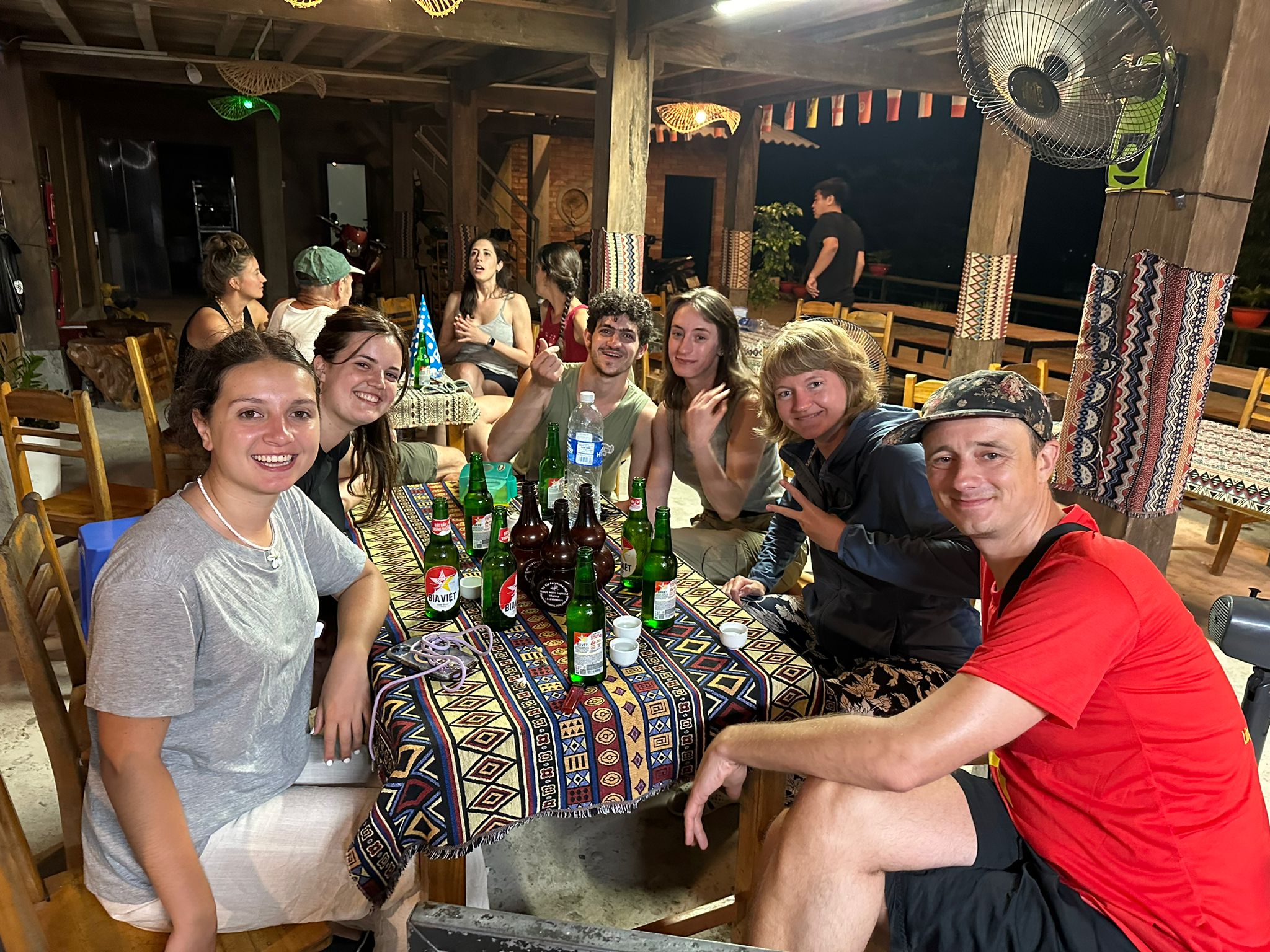
In remote areas, homestays are often the most common option. This can be different from a normal hotel, but it is also one of the best parts of the experience. Staying in a local homestay gives you a closer look at daily life in northern Vietnam.
Some places may have private rooms, while others may use shared sleeping areas. Facilities are usually basic but comfortable. Many homestays have showers, toilets, and Wi-Fi, although standards can vary from place to place.
You should expect a local mountain travel experience, not a luxury hotel trip.
Should You Stay in Ha Giang Before or After the Loop?
Staying in Ha Giang before the loop can make the trip easier. It gives you time to rest after the bus, leave your big luggage, meet the team, and confirm your route.
Staying after the loop is also useful if you would rather not rush directly back to Hanoi. You can rest, arrange your next bus, and recover after several riding days.
Ha Giang Road Trip also has a hostel base in Ha Giang City, which can be useful before or after the loop.
Final Tips Before Starting the Ha Giang Loop
Before you start the loop, keep these things in mind:
- Pack light.
- Bring a small backpack only.
- Leave big luggage in Ha Giang.
- Confirm your bus pickup details before traveling.
- Do not self-drive unless you are qualified and confident.
- Choose an easy rider if you want a safer and more relaxed trip.
- Bring warm clothes because the mountains can be cool.
- Bring cash for personal expenses.
- Tell the team in advance if you are vegetarian or have dietary needs.
- Do not expect luxury accommodation in remote mountain areas.
- Choose 3 or 4 days if you want a better loop experience.
The Ha Giang Loop is not just about reaching viewpoints. It is about the road, the villages, the mountains, the people, and the feeling of traveling through one of the most dramatic regions in Vietnam.
With the right preparation, the trip becomes much easier and more enjoyable.
Plan Your Ha Giang Loop with Local Support
If you are not sure which route to choose, send your travel date, number of people, and preferred travel style.
You can ask about:
- Small group Ha Giang Loop tours
- Private motorbike tours
- Easy rider options
- Self-drive requirements
- SUV tours
- Big Loop routes
- Hostel stays before or after the loop
- Bus support from Hanoi, Sapa, Ninh Binh, or Cat Ba
The team can help you choose the option that fits your time, comfort level, and travel plans.